


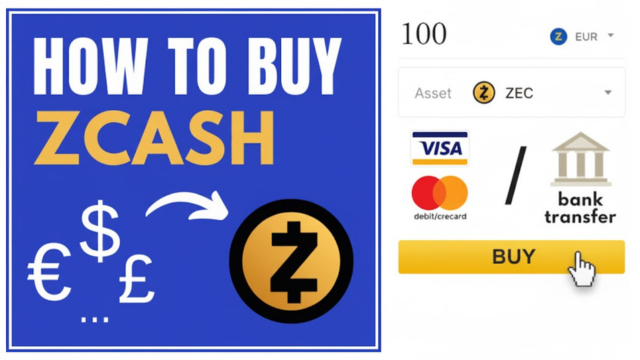
The Rise of Privacy Coins and Zcash's Momentum
Zcash (ZEC), a cryptocurrency renowned for its privacy-centric features, has recently captured significant attention in the digital asset market. In October 2025, ZEC experienced a remarkable surge, rallying by 500% and reaching an all-time high of $390. This impressive performance occurred within a broader market that remained relatively flat, further highlighting Zcash's individual strength. This notable price action has brought privacy coins back into the spotlight, with ZEC leading the resurgence alongside other assets like DASH, which saw a 48% increase in value within a single 24-hour period.
However, the acquisition of ZEC extends beyond simply capitalizing on market trends; it necessitates a secure and private approach. The fundamental advantage of Zcash lies in its implementation of shielded transactions, which are designed to protect user privacy on the blockchain. It is important to recognize that not all methods of acquiring ZEC can maintain this inherent privacy. For instance, utilizing wrapped versions of ZEC or engaging with centralized exchanges can potentially compromise the privacy features that Zcash is built upon. This guide aims to provide a comprehensive overview of ten distinct methods for acquiring ZEC, with a particular emphasis on employing shielded swaps to ensure maximum privacy when transacting on the native Zcash chain. As always, it is crucial for individuals to conduct their own thorough research (DYOR), gain a comprehensive understanding of the associated risks, and remember that the cryptocurrency market is inherently volatile. It is strongly advised to only invest capital that one can afford to lose and to adopt a long-term investment perspective.
Why Privacy is Paramount When Acquiring ZEC
Before delving into the specific acquisition methods, it is essential to underscore the critical importance of privacy in the context of acquiring ZEC. Zcash employs advanced zero-knowledge proofs, specifically zk-SNARKs, to facilitate private transactions. These proofs enable transactions to be verified on the blockchain without revealing sensitive details such as the sender's identity, the receiver's identity, or the transaction amount. Methods that involve cross-chain bridges or the use of wrapped tokens, such as zenZEC, may necessitate additional steps to convert these assets back into native shielded ZEC. This conversion process is vital for preserving the privacy features. Tools like NEAR Intents are designed to streamline cross-chain swaps, allowing for direct transfers into shielded pools, making them particularly attractive to privacy-conscious users.
Ten Methods for Acquiring Zcash (ZEC)
1. Zashi Wallet (Mobile)
The Zashi Wallet emerges as a highly private and user-friendly option for acquiring ZEC. This mobile application is readily available on major app stores and features seamless integration with NEAR Intents, enabling efficient cross-chain swaps directly into shielded ZEC.
- •How to Use: Download the Zashi application. Within the app, navigate to the "More" section and select the "Swap ZEC" option. This functionality allows users to swap assets from any supported blockchain directly into shielded ZEC.
- •Pros: This method is considered the canonical and officially endorsed approach by the Zcash community, ensuring full privacy for transactions.
- •Cons: Currently, the Zashi Wallet is exclusively available on mobile devices. Users will also need to complete a basic wallet setup process.
This option is particularly well-suited for individuals who are new to cryptocurrency and prefer a straightforward, accessible experience that can be managed on the go.
2. SolSwap Web UI
For users who prefer a browser-based interface, SolSwap offers a convenient alternative that utilizes the same NEAR Intents technology as the Zashi Wallet, but within a web environment.
- •How to Use: Access the SolSwap website at https://solswap.org. Follow the on-screen instructions to complete the swap into shielded ZEC.
- •Pros: This method provides a quick and efficient way to perform swaps without the need to download any applications, while still maintaining a high level of privacy.
- •Cons: The effectiveness of this method relies on a stable internet connection and the security of the user's web browser.
SolSwap is an excellent choice for users who are looking to swap assets originating from the Solana blockchain.
3. DFlow/Jup/Titan into zenZEC
This acquisition strategy involves utilizing decentralized exchanges (DEXs) operating on the Solana network to obtain wrapped zenZEC. Subsequently, this wrapped asset can be bridged back to native ZEC.
- •How to Use: Initiate a swap to acquire zenZEC using its contract address (CA: JDt9rRGaieF6aN1cJkXFeUmsy7ZE4yY3CZb8tVMXVroS) through platforms like DFlow, Jupiter, or Titan. If privacy is a primary concern, bridge the asset via Zenrock.
- •Pros: The Solana ecosystem offers high liquidity, ensuring efficient and fast transaction processing.
- •Cons: The wrapped version of ZEC does not offer native privacy; therefore, an additional bridging step is required to achieve true privacy, which can introduce complexity.
This method is ideal for users who are already actively participating in the Solana ecosystem.
4. Wrapped ZEC Swap
This method is similar to the previous one but utilizes a different variant of wrapped ZEC.
- •How to Use: Perform a swap using the designated contract address (CA: A7bdiYdS5GjqGFtxf17ppRHtDKPkkRqbKtR27dxvQXaS). For those looking to onboard fiat currency, it is optionally possible to bridge back and subsequently use Moonpay.
- •Pros: This approach supports direct purchases of cryptocurrency using fiat currency and offers a degree of flexibility in the acquisition process.
- •Cons: Maintaining privacy necessitates an additional bridging step, and potential transaction fees may apply.
This particular option serves as a bridge between traditional financial systems and the cryptocurrency market.
5. Infinex DEX
Infinex provides a decentralized, non-custodial exchange experience that operates across multiple blockchain networks.
- •How to Use: Visit the Infinex platform at https://app.infinex.xyz and execute swaps to acquire ZEC.
- •Pros: Infinex offers a seamless cross-chain trading experience and eliminates custody risks associated with centralized platforms.
- •Cons: New users may encounter a learning curve when navigating the platform.
This DEX is highly recommended for advanced traders who prioritize decentralization in their trading activities.
6. Encifher on Solana
Encifher is a platform that facilitates private swaps specifically on the Solana network, and it is integrated with NEAR Intents technology.
- •How to Use: Connect to the Encifher platform and proceed with swapping directly into ZEC.
- •Pros: Encifher places a strong emphasis on enhanced privacy and benefits from the reliability of its development team.
- •Cons: The functionality of Encifher is currently limited to the Solana ecosystem.
This platform is a robust choice for individuals who are committed to privacy and are active in decentralized finance (DeFi) on Solana.
7. CEX Fallback
Centralized exchanges (CEXs), such as Binance, Coinbase, and Kraken, remain a viable option for acquiring ZEC, especially for users who prioritize simplicity in the purchasing process.
- •How to Use: Create an account on a chosen CEX, deposit fiat currency or other cryptocurrencies, and then purchase ZEC directly.
- •Pros: CEXs are generally user-friendly and offer high liquidity, making them accessible for beginners.
- •Cons: These platforms are the least private option, as they typically require Know Your Customer (KYC) verification and may involve potential transaction surveillance.
It is advisable to use CEXs only as a last resort if decentralized options are not feasible, and to promptly withdraw any acquired ZEC to a private, self-custodial wallet.
8. Hyperliquid Spot
Hyperliquid is preparing to launch spot trading functionalities, with an official user interface expected soon.
- •How to Use: Monitor the Hyperliquid platform next week for the introduction of ZEC spot trading pairs.
- •Pros: This platform aims to combine perpetual and spot trading within a single environment, offering efficiency for traders.
- •Cons: As a newly introduced feature, users should remain vigilant for potential bugs or issues.
This upcoming feature is particularly exciting for traders who are interested in utilizing leverage options alongside their spot purchases.
9. Grayscale ZCSH Trust
For individuals seeking indirect exposure to Zcash through traditional public markets, the Grayscale Zcash Trust (ZCSH) presents a potential avenue.
- •How to Use: Shares of the Grayscale ZCSH Trust can be purchased through traditional brokerage platforms, such as those available in over-the-counter (OTC) markets.
- •Pros: This option is regulated and does not require investors to directly manage cryptocurrency wallets or private keys.
- •Cons: Investors do not hold direct ownership of the underlying ZEC assets. There is also a risk of trading at a premium or discount to the net asset value.
This investment vehicle is particularly suitable for institutional investors or individuals who are more accustomed to stock market investments.
10. Maya Protocol
The Maya Protocol is a community-recommended solution, particularly for executing larger swaps involving assets like Bitcoin (BTC) or Ethereum (ETH).
- •How to Use: Visit the Maya Protocol ecosystem at https://www.mayaprotocol.com/ecosystem. Alternatively, follow the official X account (@Maya_Protocol) for updates on supported wallets.
- •Pros: This protocol is designed to handle substantial swap volumes efficiently and is friendly to cross-chain transactions.
- •Cons: The use of Maya Protocol may require specific wallet configurations.
This option is presented as a bonus for users who are looking to swap significant amounts from major cryptocurrencies like BTC or ETH.
Concluding Thoughts on Zcash and Privacy
Zcash's unwavering commitment to privacy distinguishes it within the cryptocurrency landscape, especially in an era where data security is an increasingly pressing concern. Whether employing mobile wallets like Zashi or utilizing decentralized exchanges such as Infinex, the paramount objective should always be to acquire shielded ZEC to ensure true anonymity. With the market showing renewed vigor—further bolstered by endorsements from prominent figures like Raoul Pal, who has praised ZEC's user experience—this period represents a critical juncture for exploring the possibilities of Zcash. Nevertheless, it is imperative to proceed with caution; the inherent volatility of the market and the evolving regulatory landscape necessitate a prudent approach. Shalom, and may your investments be prosperous!
Disclaimer: This article is intended for informational purposes only and does not constitute financial advice. Investments in cryptocurrency carry inherent risks, including the potential for total loss of principal.
FAQ: Zcash (ZEC) Basics
- •What is Zcash (ZEC)?
Zcash is a privacy-focused cryptocurrency that leverages zero-knowledge proofs (zk-SNARKs) to enable shielded transactions. This technology allows for the concealment of sender, receiver, and transaction amount details while still ensuring the integrity and verifiability of the blockchain.
- •Why prioritize privacy when buying ZEC?
Privacy is the foundational feature of Zcash. By utilizing shielded swaps, users can ensure that their transactions remain anonymous on the native blockchain, which is crucial in an environment marked by increasing surveillance and frequent data breaches.
- •Is buying ZEC legal?
The legality of buying ZEC varies by jurisdiction. In most regions, it is legal, but it is essential to be aware of and comply with local regulations, particularly concerning privacy coins. Users should also adhere to KYC/AML requirements when using centralized exchanges.
- •How do I store ZEC securely?
For secure storage of ZEC, it is recommended to use official wallets such as Zashi or hardware wallets that support ZEC. To maintain privacy, funds should be stored in shielded addresses, and it is advisable to avoid leaving significant amounts on exchanges.
- •What's the difference between shielded and transparent ZEC transactions?
Shielded transactions, associated with z-addresses, offer complete privacy by obscuring transaction details. Transparent transactions, using t-addresses, are publicly visible on the blockchain, similar to Bitcoin transactions. For optimal privacy, it is recommended to convert any wrapped ZEC into shielded ZEC.
- •Can I buy ZEC directly with fiat?
Yes, it is possible to purchase ZEC directly with fiat currency through centralized exchanges like Coinbase or via fiat on-ramp services integrated into some DEXs, such as Moonpay. For enhanced privacy, it is recommended to convert the purchased ZEC to a shielded address after the initial transaction.
- •What are the risks of CEX vs. DEX for buying ZEC?
Centralized exchanges (CEXs) offer user-friendliness but typically require KYC verification and may track user activity, thus compromising privacy. Decentralized exchanges (DEXs) provide greater privacy and user control but involve managing your own wallet and carry potential risks associated with smart contracts.