


Olayemi Cardoso, Governor of the Central Bank of Nigeria (CBN), has announced that 16 lenders have successfully met the revised recapitalization requirements, with an additional 27 institutions actively in the process of raising capital. This update was shared during the 303rd Monetary Policy Committee (MPC) meeting.
Cardoso emphasized that the Nigerian financial system demonstrates resilience amidst ongoing economic reforms designed to foster stability and growth within the Nigerian economy. He further explained that economic stability is a prerequisite for achieving robust growth.
“After stability comes investment, and after investment comes growth. What we need is sustained, enduring growth, not short-term gains. Stability and growth can go hand in hand. Recent quarters show sectoral growth, and stability today boosts investor confidence, paving the way for sustained, enduring growth, not short-term gains,” he stated.

In March 2024, the CBN revised the minimum capital requirements for financial institutions. These new regulations, effective from April 1, 2024, mandate that lenders with international authorization must meet a threshold of N500 billion. National banks are required to achieve N200 billion, while regional banks need to meet N50 billion for new regulatory approval.
The primary objective behind the CBN’s directive is to fortify financial operators against various economic shocks. The central bank noted that the updated recapitalization framework will enhance stability within the Nigerian financial system and ensure that financial institutions possess the capacity to support Nigeria’s economic development and promote financial inclusion.
Financial operators have several avenues to meet these capital base requirements, as outlined by the CBN. These options include injecting fresh equity capital through private placements and rights issues, or pursuing strategic mergers and acquisitions.
Financial Institutions Meeting Capital Requirements
Several financial institutions have already met their stipulated capital thresholds. These include:
- •Access Holdings
- •Zenith Bank
- •GTBank (GTCO)
- •Ecobank
- •Stanbic IBTC
- •Wema Bank
- •Providus Bank
- •Globus Bank
- •Premium Trust Bank
- •Greenwich Merchant Bank
- •Jaiz Bank
- •Lotus Bank
It is anticipated that more lenders will soon meet these requirements. First HoldCo, for example, is in the process of raising N350 billion through a private placement in the second half of 2025, with the aim of reaching a total paid-up capital of N748 billion. Other institutions actively working towards compliance include Fidelity Bank, FCMB, and Sterling Bank.
The CBN has set a deadline of March 2026 for all lenders to meet the revised capital requirements.
Further Restructuring Initiatives in the Nigerian Banking Industry
The CBN is actively implementing a series of restructuring measures across the banking sector to reinforce financial discipline.
One significant initiative involves proposed stricter sanctions for individuals who repeatedly issue dud cheques. Under these proposed guidelines, repeat offenders could face an automatic five-year ban from financial activities for each subsequent offense. This measure is part of a new exposure draft titled "Guidelines on the Treatment of Dud Cheques by Banks and Other Financial Institutions in Nigeria."
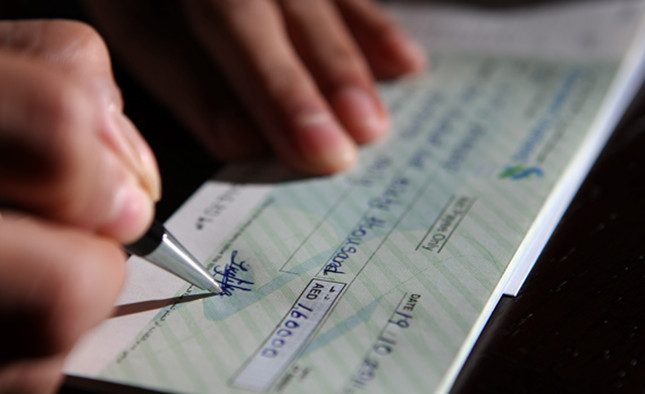
According to the draft guidelines, once a financial institution confirms that a cheque has been dishonored due to insufficient funds, it is obligated to report the incident to the Credit Risk Management System and at least two private credit bureaus within one hour of the event.
Furthermore, the financial institution must notify the customer involved within two working days, using a verifiable communication channel. This notification must include comprehensive details regarding the dishonored or dud cheque.