



A significant cryptocurrency theft, amounting to over $282 million, has been reported, involving the loss of 2.05 million Litecoin and 1,459 Bitcoin. The incident, which occurred on January 11, was meticulously tracked by on-chain investigator ZachXBT and highlights the increasing sophistication and impact of social engineering scams within the cryptocurrency landscape.
The stolen funds were quickly laundered into Monero (XMR), leading to a noticeable surge in its market price. This event underscores the evolving tactics of cybercriminals and the challenges faced in tracing and recovering illicitly obtained digital assets.
The Theft and Laundering Process
ZachXBT, a prominent figure in cryptocurrency investigation, detailed the theft, noting the conversion of stolen Litecoin and Bitcoin into Monero through various instant exchange platforms. This rapid conversion strategy was effective in obscuring the trail of the funds. The attackers also utilized Thorchain for some Bitcoin transfers, impacting multiple blockchain networks including Ethereum, Ripple, and Litecoin, further complicating investigative efforts.
The swiftness with which these substantial assets were processed through instant exchanges demonstrates their utility for illicit activities. Consequently, Monero's price saw a significant and rapid increase, briefly trading above its usual levels. The multi-network approach for Bitcoin transfers suggests a deliberate effort by the perpetrators to maximize obfuscation.
"I reported monitoring a hardware wallet social engineering scam where a victim lost approximately 2.05 million LTC and 1459 BTC, valued over $282 million." — ZachXBT
Unprecedented Scale and Industry Implications
This incident is notable for being the largest recorded scam involving a single wallet, bringing into sharp focus the urgent need for enhanced security protocols and user education across the industry. The sheer volume of the loss emphasizes the vulnerability of even seemingly secure digital asset holdings to advanced social engineering techniques.
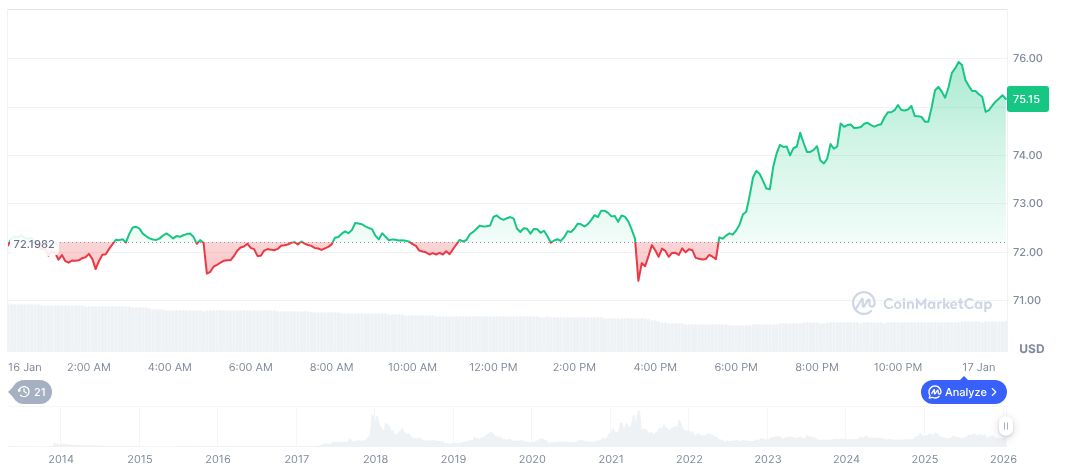
Litecoin (LTC), a significant cryptocurrency involved in the theft, is currently trading at $75.27. Its market capitalization stands at approximately $5.78 billion, with a 24-hour trading volume of about $681.89 million, reflecting a 35.86% decrease. While LTC experienced a 4.14% price increase in the last 24 hours, longer-term trends show declines over 7-day (-7.38%) and 90-day (-17.36%) periods.
The research team at Coincu emphasizes the profound regulatory implications that such large-scale scams could trigger. As technological advancements continue to facilitate sophisticated laundering operations, it becomes imperative to strengthen security measures and develop more robust regulatory frameworks. The ongoing evolution of cryptocurrency scams necessitates proactive and adaptive strategies to prevent future occurrences. The process of dismantling cryptomixer laundering, as explored in related research, illustrates how law enforcement agencies can expose and disrupt complex financial networks utilized by criminals.