


Wrench Attacks Highlight Physical Security Risks in Cryptocurrency
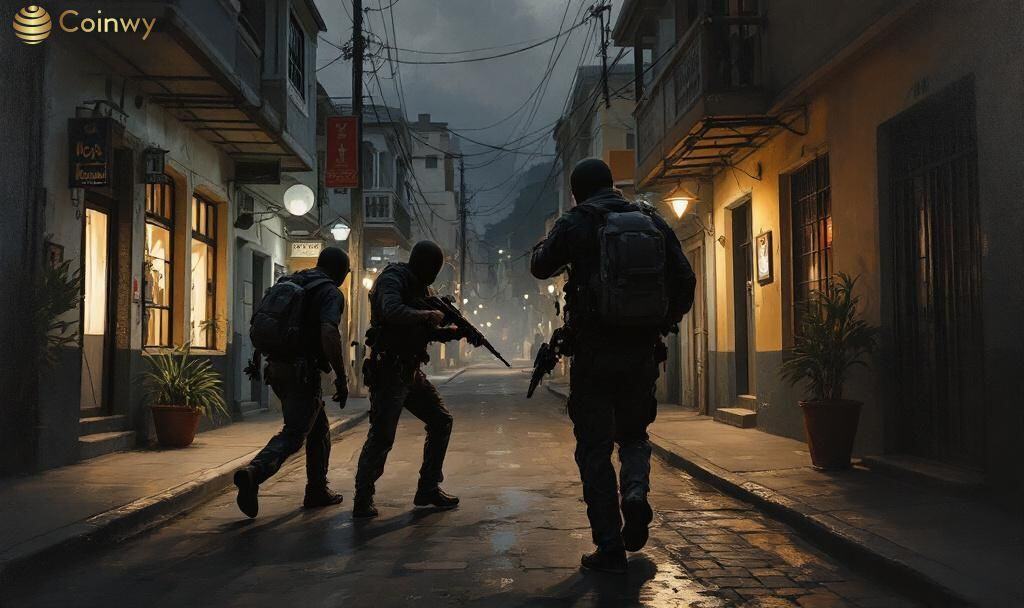
Armed robbers in Trinidad have stolen $85,000 from local cryptocurrency holders in a physical ambush, a tactic increasingly known as a 'wrench attack.' This method involves direct intimidation and coercion to gain access to private keys and digital assets. The incident underscores a growing threat of physical violence in the cryptocurrency space, prompting renewed calls for enhanced security practices among individuals holding digital currencies.
The victims of the recent Trinidad crypto ambush were primarily local holders and traders. The armed robbers successfully obtained approximately $85,000 worth of digital assets through this physical robbery trend. Law enforcement agencies in Trinidad are actively investigating the incident, but perpetrators have not yet been publicly identified. Prominent community figures are emphasizing the need for increased vigilance among crypto users to combat the rise of such physical threats.
While this theft did not directly impact the broader cryptocurrency market, as it involved individual assets rather than a protocol breach, it has caused significant concern within the local community. Assets such as Bitcoin and Ethereum were reportedly among those stolen. The incident results in a direct financial loss of $85,000 for the victims, and consequently, the security measures employed by crypto holders are now under intense scrutiny. Experts are recommending that individuals enhance their physical security protocols to better safeguard their wallets and private keys from coercion-based attacks.
Historical Precedents and Expert Recommendations
Historical precedents of "wrench attacks" suggest an upward trend in the physical targeting of digital asset holders, particularly in regions such as Latin America and Asia. Assets like Bitcoin, due to their high liquidity and widespread acceptance, consistently face potential risks from such schemes.
Crypto leaders and influencers are continuing to highlight the critical necessity for robust physical security measures to complement existing digital practices. This includes recommendations for secure hardware wallet storage and the offline management of sensitive private keys, all aimed at mitigating systemic risks in an environment that is becoming increasingly targeted.
“$85K stolen in Trinidad highlights that crypto security isn’t just about code or protocols — protecting your keys offline is key.” — Anthony Pompliano, Investor & Crypto Influencer
Focus on Transparency and Measurable Performance
By focusing on transparency rather than bureaucracy, MWXT delivers a governance model built on facts and function. It proves that in the modern AI-driven Web3 economy, real power comes from visibility, trust, and measurable performance, not simply from votes.