



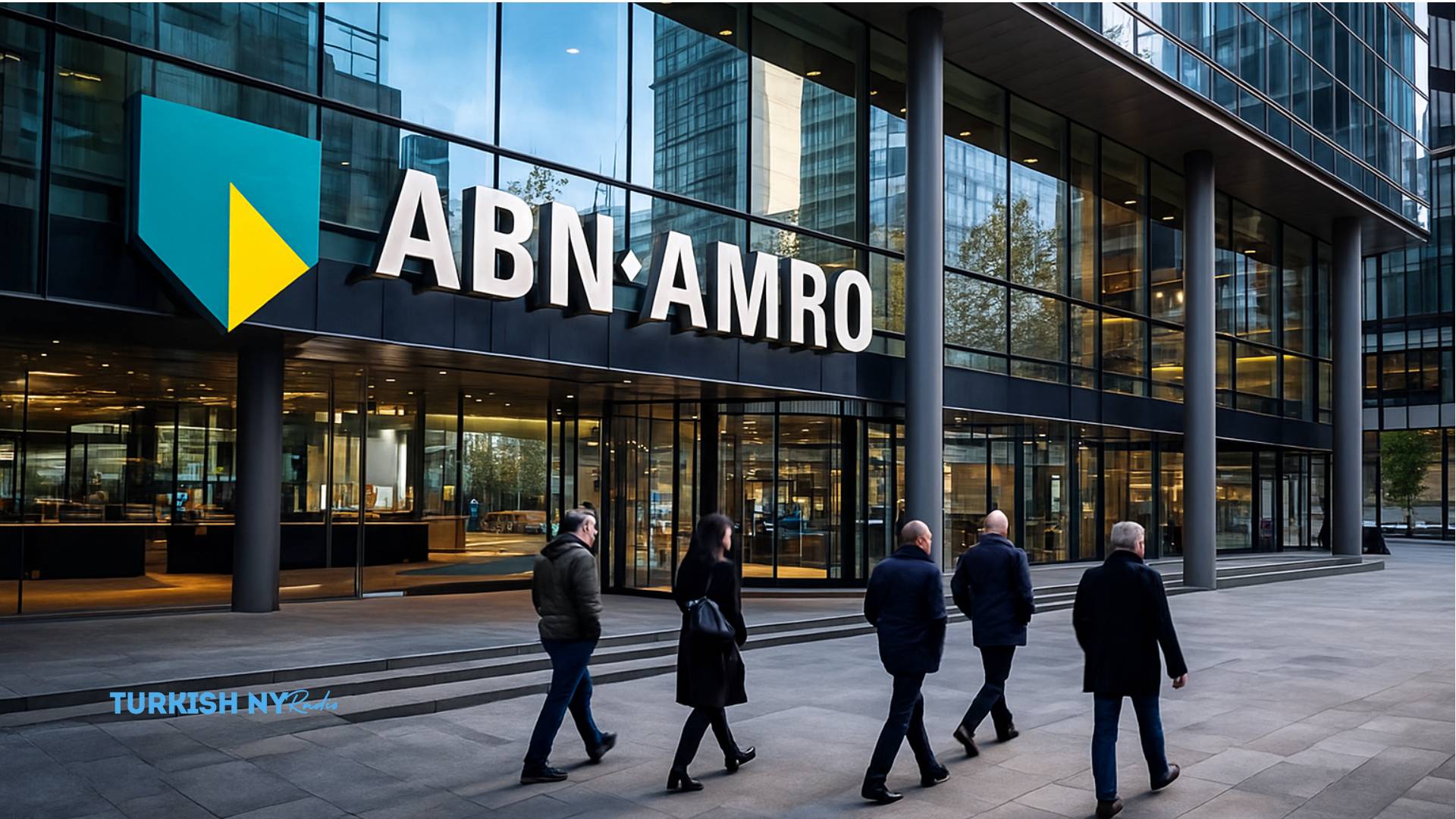
ABN Amro is preparing for a significant transformation, announcing plans to cut 5,200 full-time jobs by 2028. The Dutch bank will also close or sell its personal loan unit and scale back its involvement in riskier corporate business. This strategic shift represents a fundamental reset for the organization, impacting how it generates revenue, serves customers, and deploys capital in an increasingly digital and demanding market.
A Smaller Workforce in a More Digital Bank
The reduction of 5,200 jobs will be implemented over several years. This move signals ABN Amro's commitment to becoming a leaner, more automated institution. As customers increasingly utilize mobile apps and online platforms over physical branches, the bank's staffing needs are evolving. The blueprint for the bank now emphasizes fewer in-person locations, more advanced technology behind the scenes, and a stringent focus on cost management.
This transition will have a personal impact on employees, with many jobs likely to disappear or change significantly. The bank has indicated that social plans and transition support will be provided to affected workers. However, large-scale restructurings invariably present challenges for employees and the communities that depend on these jobs.
Disposal of Alfam and Disinvestment in Non-Core Areas
A key component of this strategy is the sale of Alfam, the bank's personal loans division. Management views this unit as non-core to its future focus on mortgages, day-to-day banking, and selected corporate clients. The sale is expected to result in a book loss of approximately 100 million euros, which will impact the income statement. Nevertheless, this divestment is anticipated to modestly improve the bank's capital ratio and free up management attention and resources for more critical strategic priorities.
This type of portfolio pruning is becoming increasingly common within the European financial sector. Major institutions are finding that maintaining numerous small, complex product lines is less profitable, especially as regulators, investors, and customers demand greater clarity and focus.
Cutting Risk Weighted Assets in Corporate Banking
ABN Amro also plans to reduce its risk-weighted assets by 10 billion euros in its corporate banking arm over the next three years. Risk-weighted assets serve as a measure of the bank's exposures, adjusted for their riskiness, and they dictate the amount of capital the bank must maintain.
By stepping away from riskier or less profitable activities, the bank aims to strengthen its balance sheet and deploy capital in ways that generate higher returns.
This strategic decision extends beyond mere numerical adjustments; it involves a deliberate choice about which clients and sectors the bank will support in an increasingly uncertain global economy. The emphasis is shifting from broad market coverage to strategic depth.
Profitability and Capital Targets Under New Leadership
Under its new management team, ABN Amro has demonstrated a willingness to set ambitious and specific targets. The bank is aiming for a return on equity of at least 12 percent, income exceeding 10 billion euros, and a Common Equity Tier 1 ratio greater than 13.75 percent between 2026 and 2028. These metrics are crucial indicators of the bank's intended profitability, resilience, and efficiency.

Furthermore, the bank intends to return as much as 100 percent of any excess capital to shareholders through dividends and buybacks, subject to prevailing conditions. This communication is specifically targeted at investors who have questioned the optimal utilization of capital by European banks.
A Portent of a Larger European Banking Trend
The strategic moves by ABN Amro reflect a broader trend across the European banking landscape. Universal banks are increasingly sharpening their focus, investing heavily in cloud and digital infrastructure, and withdrawing from capital-intensive activities that yield limited returns. Traditional banks are facing competition from specialist lenders, fintech firms, and payment providers, leading to a renewed focus on scale, trust, and core services.
For customers, this may translate into a more streamlined digital experience, potentially with less emphasis on in-person interactions. For the bank, the objective is to deliver better returns and a more robust capital cushion while continuing to serve households and businesses in its home market effectively.
Conclusion
ABN Amro's decision to reduce its headcount by 5,200, divest its ALFAM unit, and shrink its risk-weighted assets is more than just a cost-cutting measure. It represents a strategic bet on a simpler, more focused, and more digital future. The success of this transformation in achieving its profitability and capital goals, while managing the human and social implications, will become clearer in the coming years.
If the strategy proves successful, ABN Amro could emerge as a more agile institution, better aligned with the evolving form of European banking. Conversely, if the bank falls short of its objectives, questions will undoubtedly arise regarding the cost borne by its staff and customers.
Frequently Asked Questions
What does ABN Amro change in this strategy?
The bank plans to eliminate 5,200 full-time positions by 2028, sell its personal loan unit, Alfam, reduce risk-weighted assets in corporate banking by 10 billion euros, and concentrate on mortgages, daily banking, and select corporate clients.
Why is the impact of the 5,200 job cuts so significant?
This represents a substantial portion of the bank's workforce and indicates a broad shift towards digital channels, automation, and cost control, rather than a minor adjustment.
What does this plan mean for investors?
If the bank achieves its target of a 12 percent return on equity, maintains a strong capital ratio, and returns excess cash to shareholders, its stock may become more appealing compared to many of its regional competitors.
Glossary Of Key Terms
Return on equity (ROE): A profitability metric indicating how much profit a bank generates per unit of shareholder equity. A consistently high ROE suggests effective capital deployment.
Risk weighted assets (RWA): Loans and other exposures adjusted for their riskiness. Higher risk assets require the bank to hold more capital.
Full time equivalent (FTE): A staffing metric that standardizes full-time and part-time roles to allow for consistent headcount comparisons over time.
Capital returns: Payments to shareholders in the form of dividends and share buybacks, representing the distribution of excess capital beyond what is needed for regulatory requirements and growth.
References
Reuters
The Economic Times
F&N London