


A New Era for Stablecoins
The future of stablecoins may not rely on traditional backing like U.S. Treasurys or bank reserves, but rather on blockchain technology itself. This paradigm shift was articulated by Bill Barhydt, the founder and CEO of the crypto wealth platform Abra.
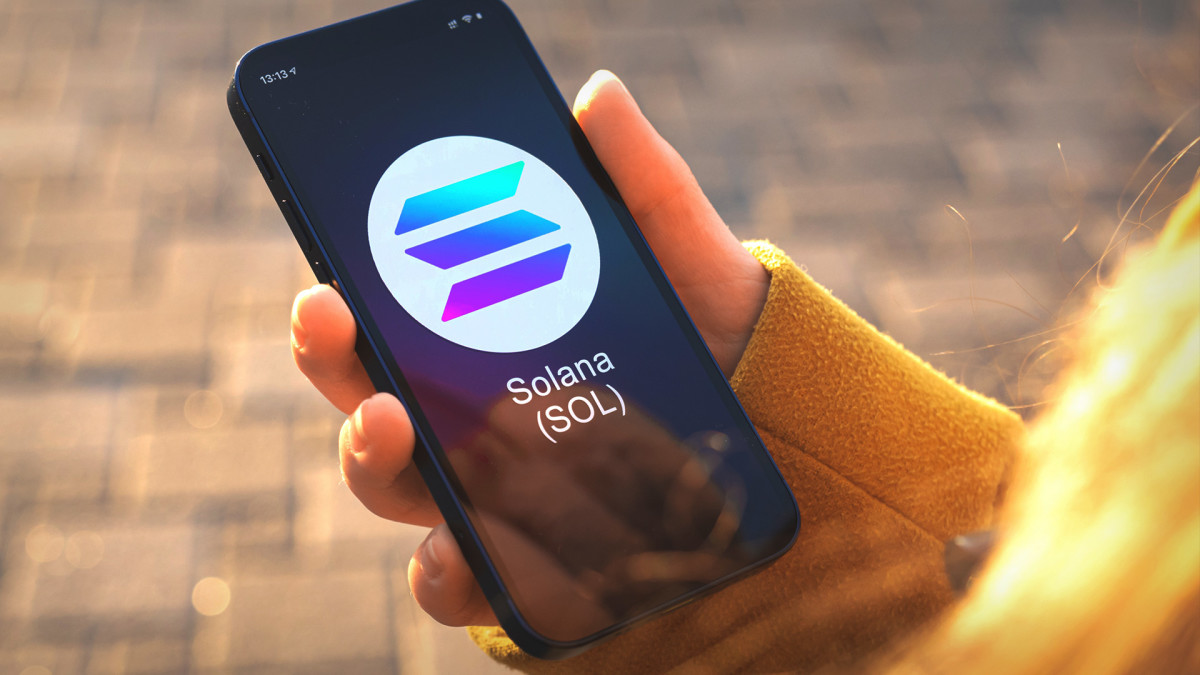
During an appearance on The Street’s Roundtable, Barhydt introduced Abra’s novel “synthetic yield-bearing dollar.” This asset, built on the Solana blockchain, is engineered to mirror the value of the U.S. dollar while simultaneously providing decentralized yield to its holders.
Unlike conventional stablecoins that depend on centralized banking partners for reserve management, Barhydt explained that this new system eliminates the need for such intermediaries. This strategic decision is intended to mitigate significant regulatory and operational vulnerabilities.
“If you’re pegging the value of Solana to the dollar, no one can shut it down. You’re not dependent on banks or governments.”
Distinguishing Features of the Synthetic Dollar
Barhydt emphasized that this product does not qualify as a stablecoin under the current legislative definitions. Instead, it operates as a synthetic dollar. Its stability is maintained through collateralization with Solana (SOL) and hedging strategies employing perpetual futures, commonly known as “perps.”
This mechanism is designed to ensure stability without the inherent algorithmic weaknesses that led to the downfall of projects like TerraUSD (UST). Furthermore, the model directly distributes yield to holders, a significant departure from market leaders such as Tether (USDT) and USD Coin (USDC) issued by Circle. In those cases, the issuer typically retains the interest generated from Treasury holdings.
“If you’re holding Tether, Tether gets the yield. If you’re holding USDAF, you get the yield if you stake it. Think of it more like a tokenized fund than a tokenized dollar.”
International Demand and Regulatory Landscape
While regulatory hurdles in the United States may constrain stablecoin innovation, Barhydt indicated that the synthetic dollar is gaining international traction. It is particularly appealing to neo-banks and decentralized exchanges (DEXs) seeking to offer yield-bearing assets to their users.
“Anybody who wants to use stablecoins and would rather have the yield is going to love this product.”
The concept of yield on stablecoins has become a focal point in recent Senate discussions regarding cryptocurrency regulations. Senator Tim Scott, Chairman of the Senate Banking Committee, recently introduced an amended crypto market structure bill. This amendment proposed prohibiting yields derived solely from holding stablecoin balances, while permitting incentives linked to specific activities.
This amendment prompted strong reactions from within the cryptocurrency community. Notably, Coinbase, a prominent supporter of such legislation, withdrew its endorsement following the amendment’s introduction.
Broader Applications of the Infrastructure
Abra’s vision extends beyond the realm of stablecoins. Barhydt revealed that the underlying infrastructure could be adapted to support tokenized equities and prediction markets. This would enable users to gain on-chain exposure to assets like Apple (NASDAQ: AAPL) stock, circumventing traditional intermediaries.