



Smart infrastructure, research funding, and a growing digital backbone took center stage on Thursday, December 4, 2025, as Lagos State leaders outlined the next phase of the state’s innovation agenda at AoT 7.0.
Lagos State Commissioner for Innovation, Science, and Technology, Tunbosun Alake, stated that the state has completed more than 85 research projects and committed approximately NGN2 billion to innovation funding. He also noted that Lagos is expanding its clean energy and green technology footprint and has contributed 15,000 kilometers to ongoing fiber deployment across the state.
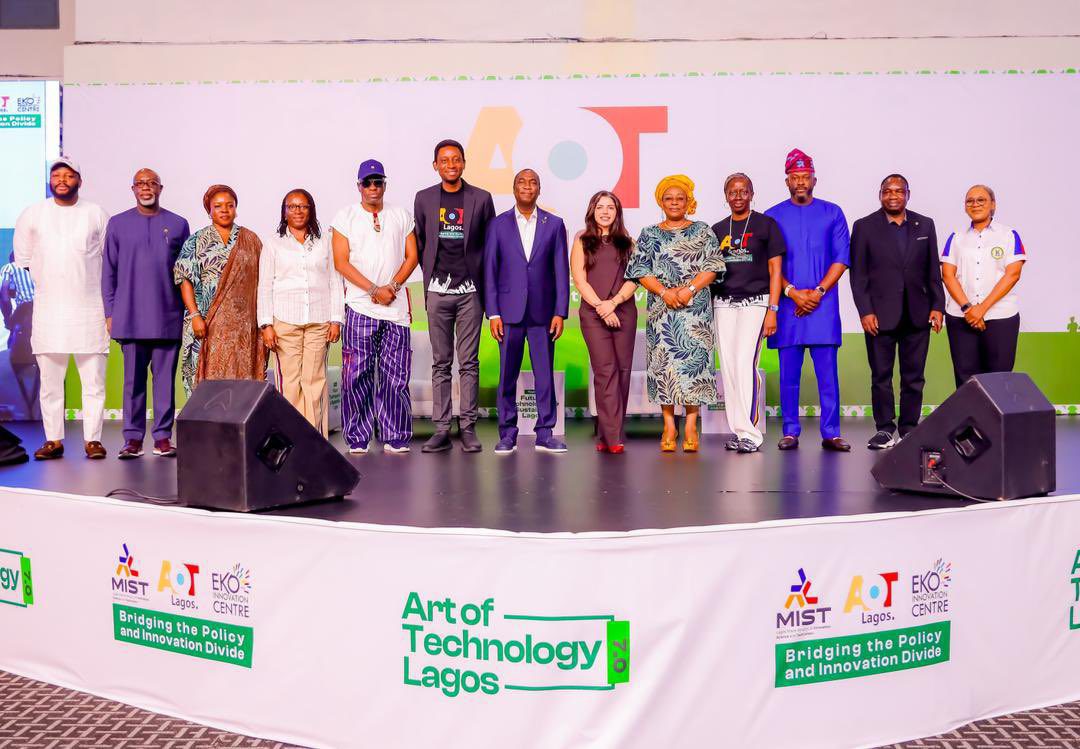
Lagos’ Digital Gains and Next Steps for a Smarter City
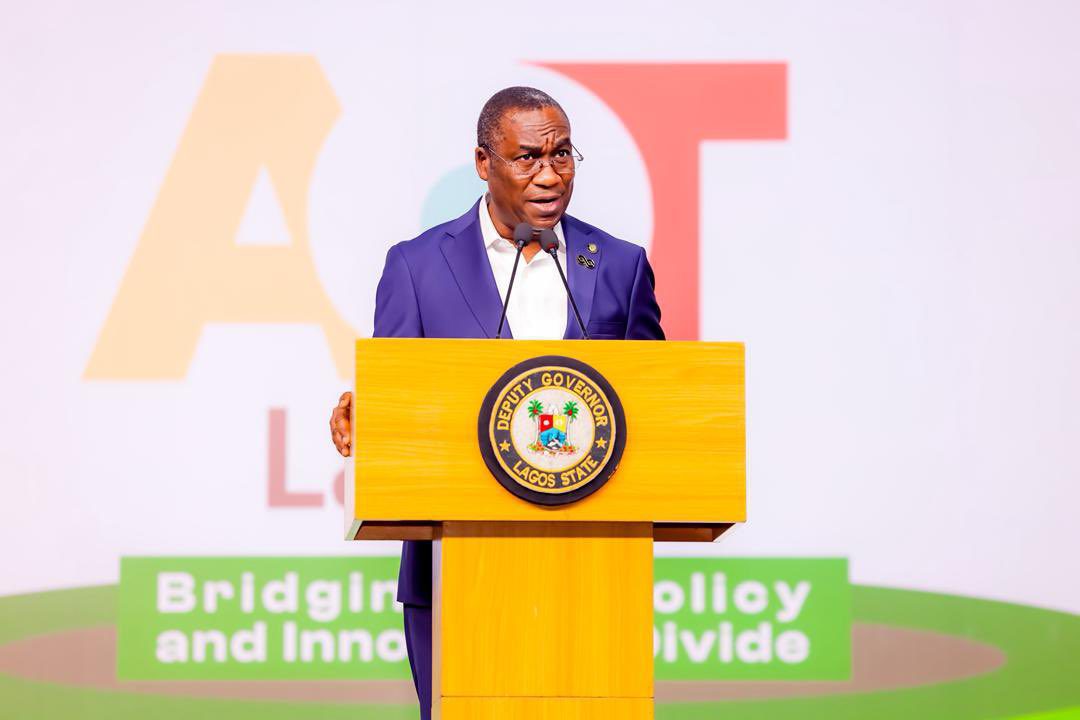
In his keynote address, Deputy Governor Obafemi Hamzat remarked that the event signifies a future "where ideas become solutions and where Lagos continues to define the innovation agenda of our country and our continent."
He emphasized that this year's theme, "Future Technologies and Sustainable Lagos," aligns with the mission of building a city that is digital, resilient, inclusive, and globally competitive.
Hamzat highlighted that Lagos is now recognized as "the fastest rising innovation center on the planet," a development he attributed to the collaboration between private and public stakeholders within the ecosystem.
He explained that the state's investments in infrastructure and digital systems are strategically designed to increase the contribution of technology and innovation to Lagos' Gross Domestic Product (GDP).
“For us, we see technology not just as an enabler. We see it as a foundation for sustainable growth, efficient governance, and a resilient city,” Hamzat stated.
The deputy governor detailed significant milestones achieved over the past five years, beginning with the state's concerted efforts towards creating a smarter and safer city. He pointed out that the smart city transformation is already yielding tangible results through infrastructure such as the intelligent transport system and automated traffic enforcement. These technologies, he noted, demonstrate how automation enhances compliance, transparency, and safety.
Hamzat further elaborated that the Safe City intelligent video surveillance network has been instrumental in supporting numerous operations.
“The Nigerian police using our infrastructure has achieved over ten major operational successes in security responses, criminal investigation, and traffic management,” Hamzat said.
Connectivity remains a fundamental pillar of the government's strategy. Hamzat reported that between 2020 and 2024, the state successfully deployed 2,500 kilometers of fiber optic and duct infrastructure. "A connected Lagos will be a prosperous Lagos," he asserted, adding that this network has facilitated new or improved broadband access for over one million residents within a four-year period.
This enhanced connectivity, he explained, is fueling one of Africa's most rapidly expanding digital economies, with Lagos now hosting a robust cluster of data centers, cloud platforms, and enterprise networks.
Regarding governance, Hamzat reiterated the state's commitment to a digital-first model, a point previously mentioned by Alake. In the past five years, more than 16 ministries, departments, and agencies have transitioned to offering front-facing digital services.
Processes related to licensing, taxation, permits, revenue collection, and public records are being integrated into unified data systems. He highlighted that the Lagos data portal, which attracts over 10,000 daily visitors, is increasingly becoming the national standard for e-governance. "We are building a government that works at the speed of a citizen," he remarked.
Funding research and innovation continues to be a key priority for the state. Through the Lagos State Science Research and Innovation Council (LASRIC), Hamzat echoed Alake's statement that the government has allocated nearly NGN2 billion to support innovators, researchers, and startups.
Over 75 startups across various sectors including real tech, agritech, construction tech, edtech, and climate tech have received grants and support. He described this pipeline as the driving force behind long-term competitiveness, positioning Lagos as the leading sovereign funder of research and development in the country.
Hamzat also drew attention to the newly inaugurated Lagos State Cybersecurity Council, which he described as the first of its kind at the sub-national level.
This council, comprised of private sector experts, regulators, and global technology leaders, is tasked with developing a comprehensive cybersecurity framework for Lagos, enhancing preparedness against threats, building talent capacity, and promoting secure data practices.
“Cybersecurity is no longer optional. It is the firewall protecting our ambitions,” the deputy governor stated.
Hamzat concluded that Lagos is rapidly advancing towards a fully digital economy, propelled by e-governance, smart city systems, the Internet of Things (IoT), fintech, and artificial intelligence (AI).

He added that the Lagos Innovation Bill, currently undergoing public review, will formalize innovation as a central component of the state's socioeconomic strategy and broaden access to funding for startups and researchers. "Infrastructure, policy, talent, and investment are all moving in alignment," he observed.
He further explained that artificial intelligence will support predictive governance, healthcare, traffic optimization, and smart urban planning, while IoT systems will aid in water management, flood monitoring, and environmental sustainability.
Hamzat characterized the current period as pivotal in shaping how Lagos plans, operates, and competes in the coming decade. “We are not just building technology. We must also secure it,” he concluded.