


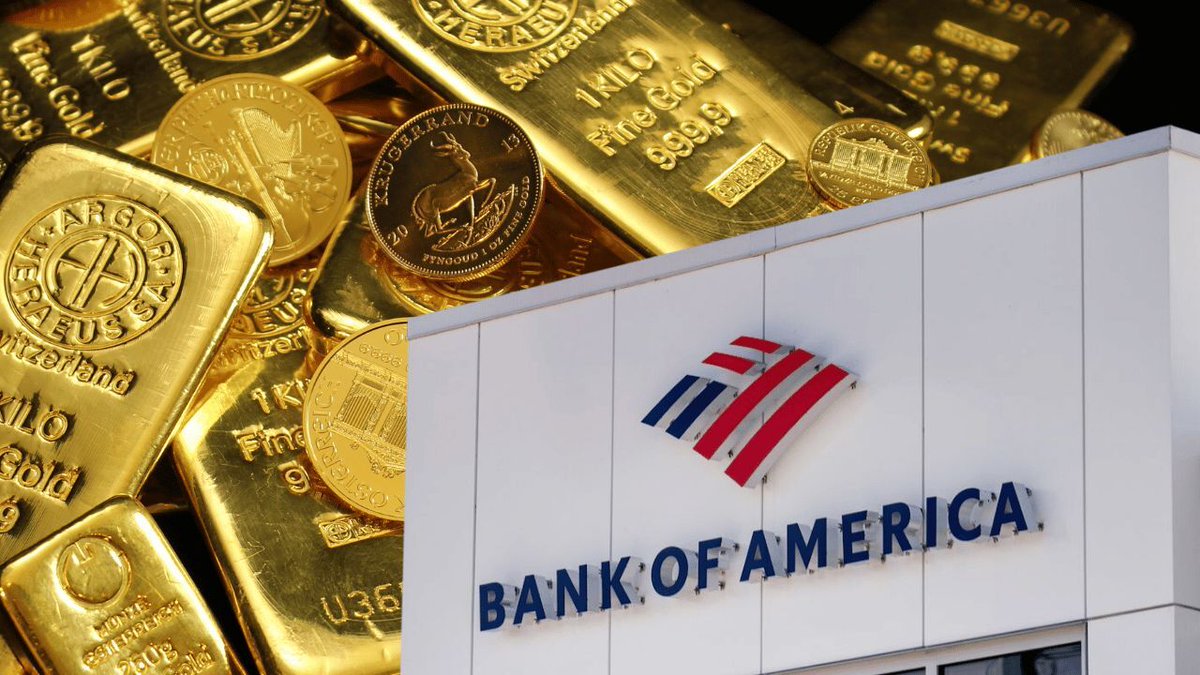
Why Is Bank of America Warning About Stablecoins?
Bank of America chief executive Brian Moynihan warned that a large share of U.S. bank deposits could move into stablecoins if lawmakers fail to restrict interest-bearing tokens. Speaking during the bank’s Wednesday earnings call, Moynihan said internal U.S. Treasury Department studies suggest that as much as $6 trillion could migrate out of the banking system. That figure would represent roughly 30% to 35% of total U.S. commercial bank deposits. Moynihan framed the issue as less about crypto speculation and more about balance-sheet mechanics. Stablecoins that pay interest, he said, change how deposits function inside the financial system. The concern comes as Congress debates how to regulate stablecoins, particularly whether issuers and platforms should be allowed to pay yield to users who simply hold tokens.
Investor Takeaway
Banks see interest-bearing stablecoins as direct competitors to deposits. If restrictions fail, large pools of cash could shift outside the traditional lending system.
How Do Stablecoins Threaten Bank Lending?
Moynihan compared stablecoins to money market mutual funds, noting that reserves backing stablecoins are typically parked in short-term assets such as U.S. Treasurys. Unlike bank deposits, those funds are not recycled into loans for households or businesses. “If you take out deposits, they’re either not going to be able to loan or they’re going to have to get wholesale funding, and that wholesale funding will come at a cost,” Moynihan said. In practical terms, a shrinking deposit base forces banks to rely more heavily on wholesale markets to fund lending. That funding is typically more expensive and less stable than customer deposits, which can pressure margins and reduce credit availability across the economy. From the banking sector’s perspective, interest-bearing stablecoins do not just compete with savings accounts. They alter the structure of credit creation by pulling funds into instruments that sit outside the regulated banking system.
What Is Congress Proposing to Do About It?
Lawmakers are attempting to draw a line between stablecoins as payment tools and stablecoins as yield-bearing products. The latest draft of a negotiated crypto market structure bill, released on Jan. 9 by Senate Banking Committee Chair Tim Scott, includes a provision that would ban digital asset service providers from paying interest simply for holding stablecoins. The proposal targets what banks view as the most direct threat: passive yield on idle balances. By removing that incentive, lawmakers hope to reduce the risk of large-scale deposit migration while still allowing stablecoins to function as transactional instruments. At the same time, the draft bill allows activity-based rewards. Incentives tied to staking, liquidity provision, or posting collateral would remain permitted. That distinction reflects an attempt to separate basic savings-like behavior from participation in crypto market infrastructure.
Investor Takeaway
The proposed ban focuses on passive yield, not all rewards. Stablecoins linked to active market use may still attract capital even under tighter rules.
Why Is the Senate Clock a Factor?
The legislative push comes as time tightens ahead of the next election cycle. Banking groups are lobbying aggressively, arguing that allowing stablecoins to pay interest would weaken credit creation and amplify financial stress during downturns. Crypto firms and some fintech advocates counter that stablecoins offer a safer, more transparent alternative to shadow banking products, especially when reserves are fully backed by high-quality liquid assets. They argue that banning yield could limit innovation while pushing users toward less regulated structures. The compromise emerging in the Senate reflects this tension. Rather than blocking stablecoins outright or allowing them to fully mimic bank deposits, lawmakers appear to be steering toward a model where stablecoins act as payment and settlement tools, not savings accounts.
What Happens If Restrictions Fail?
Moynihan’s $6 trillion estimate underscores how high the stakes are for banks. Even a partial shift of deposits into stablecoins could change funding costs, loan pricing, and the broader flow of credit in the U.S. economy. For crypto markets, the outcome will shape whether stablecoins remain primarily transactional instruments or evolve into full deposit alternatives. For banks, the debate cuts to the core of their business model.