


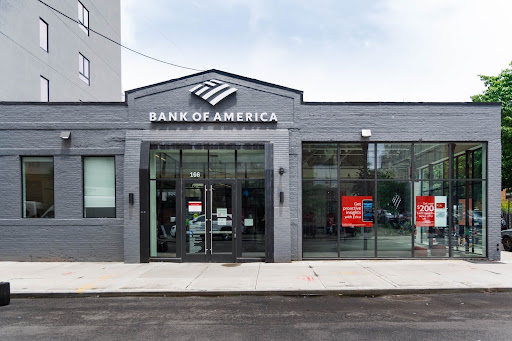
Potential Impact on Banking and Lending
Bank of America's chief executive has raised significant concerns about stablecoins potentially pulling trillions of dollars away from traditional banking systems. Brian Moynihan warned that interest-bearing digital tokens could redirect an estimated $6 trillion currently held in bank deposits, creating substantial challenges for lending operations within the financial sector.
This assessment emerged during the bank's quarterly earnings discussion with analysts. Moynihan referenced U.S. Treasury Department figures to explain how yield-generating stablecoins function in a manner similar to money market mutual funds, by channeling deposits into short-term government securities and treasury bills.
Consequences for Small and Medium-Sized Enterprises
Small and medium-sized enterprises would face the most severe consequences from any reduction in bank lending capacity, according to Moynihan's analysis. Unlike large corporations that can access capital markets directly through stock offerings and bond issuances, smaller businesses depend almost exclusively on traditional bank loans for their financing needs.
A significant withdrawal of deposits from banks into stablecoin products would compel financial institutions to rely more heavily on wholesale funding sources. Central bank borrowing and capital market financing generally carry higher costs than customer deposits, expenses that would inevitably translate into elevated borrowing rates across the broader economy.
Legislative Responses and Industry Opposition
Members of the Senate Banking Committee are actively debating cryptocurrency legislation that specifically addresses these emerging concerns. A draft proposal introduced on Monday aims to ban passive interest payments on stablecoins, permitting yields only when these are tied to specific activities such as transaction processing, cross-border remittances, or participation in loyalty programs.
Coinbase leadership has publicly voiced opposition to this legislative approach. CEO Brian Armstrong announced that his exchange would no longer support the bill. Armstrong characterized the proposed restrictions as anti-competitive measures, arguing they are designed to shield banks from legitimate market innovation and customer choice.
The Coinbase executive also criticized multiple provisions beyond the stablecoin yields ban, including limitations on tokenized securities and expanded governmental monitoring of cryptocurrency transactions. Armstrong contended that regulators should apply identical standards to digital assets and conventional financial services rather than creating protective barriers for incumbent institutions.
Alternative Perspectives on Regulation
RS2 CEO Radi El Haj offered a counterpoint to the banking industry's arguments, emphasizing that regulation should primarily focus on protecting consumers and managing systemic risks. He stated that customers choosing stablecoins over bank deposits are making rational decisions based on the potential for superior returns and greater operational flexibility, which in turn forces traditional institutions to improve their own offerings.