


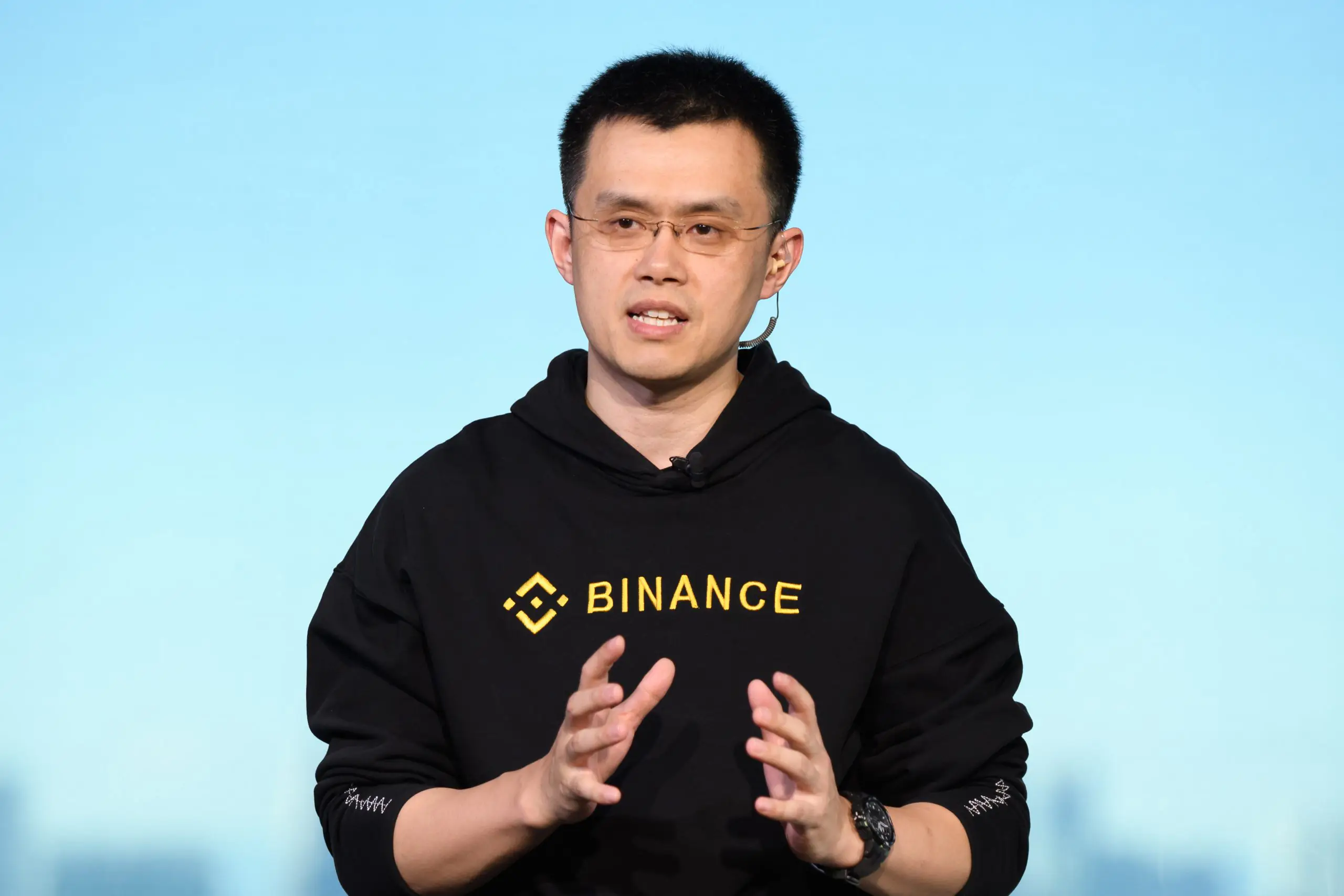
Zhao’s legal team asserts that the story does not hold up under basic scrutiny and that those spreading it are aware of its falsehoods. Teresa Goody Guillen, the lead defense attorney for Zhao’s U.S. case, directly addressed the circulating rumor in an interview on the Pomp Podcast with Anthony Pompliano. Her assessment was unequivocal:
“Impossible. It could never happen.”
Blockchain Technology Undermines the Theory
Pompliano inquired whether a private Bitcoin wallet controlled by former President Trump might have received a payment from Zhao or Binance in exchange for clemency. Guillen refuted this claim by highlighting the inherent nature of the technology at the heart of the speculation. She explained that if such a payment had occurred, it would be publicly traceable, and evidence would have already surfaced.
Furthermore, Guillen emphasized that Zhao has consistently maintained a particular operational approach, both prior to his incarceration, during sentencing negotiations, and subsequently.
The Persistence of the Rumors
The longevity of this story appears to be driven more by circumstantial timing than by any factual evidence. Following Donald Trump’s return to the White House, Binance’s connections to the Trump family became more prominent. Concurrently, Zhao began serving a four-month sentence for violating the Bank Secrecy Act and subsequently received a pardon. The juxtaposition of these two events created fertile ground for political speculation.
Senator Elizabeth Warren publicly voiced concerns, warning that "Congress becomes complicit" if such alleged corruption is not addressed. However, critics’ statements have relied solely on conjecture, without referencing any supporting documents, blockchain transactions, or legal records.
Connections and Narrative Inflation
Binance was later associated with World Liberty Financial, a company linked to the Trump business empire. Initial filings indicated that the Trump family held a 75% stake in the firm before dilution reduced their share to 38%. Currently, they possess 22.5 billion World Liberty tokens and receive 75% of the revenue generated from token sales.
According to Guillen, this narrative has been distorted into a scandal lacking factual support. She characterized much of the reporting as pieced together from anonymous intermediaries rather than from primary sources.
A Compliance Breach, Not Corruption
Zhao’s guilty plea acknowledged that Binance had failed to prevent money laundering activities. However, his lawyer argues that the public has been led to interpret a financial compliance breach as a political conspiracy. To illustrate her point, she drew parallels between Zhao’s case and instances where major financial institutions have paid penalties for similar violations without their chief executives facing imprisonment.
Her conclusion is that Zhao’s pardon represents proportional justice, not political leverage, and that no cryptocurrency transaction occurred through any wallet, secret or otherwise, in connection with it.