


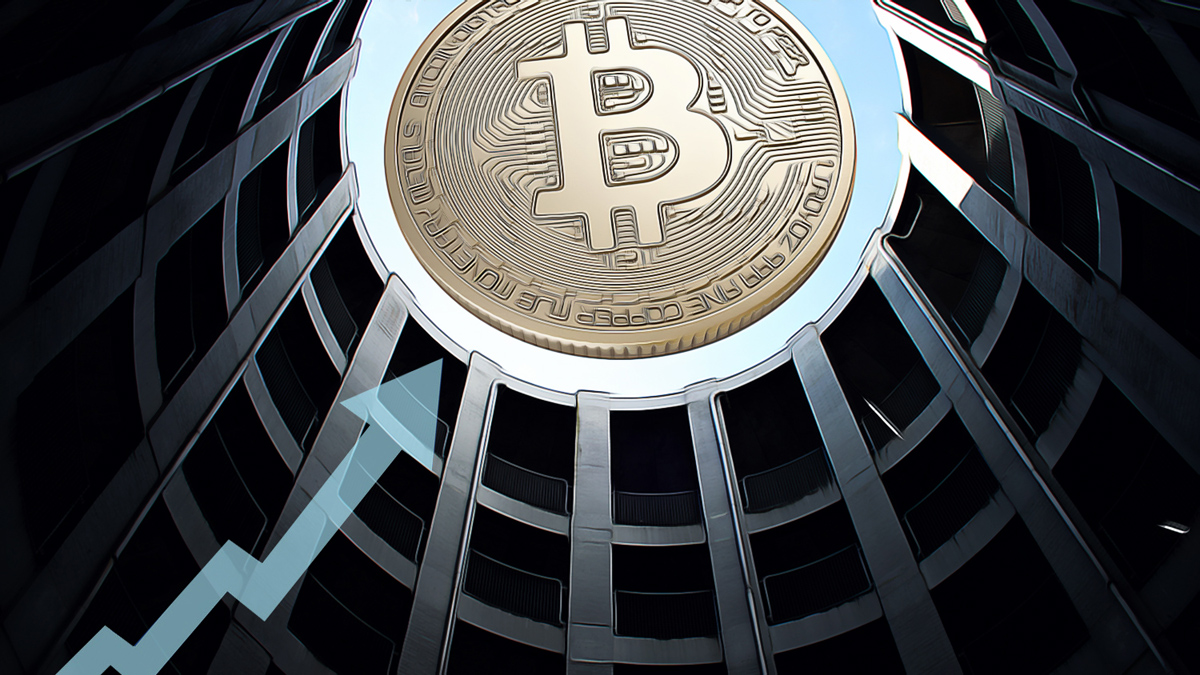
The price of Bitcoin has once again unsettled investors by falling below $108,000. Factors contributing to the increased selling pressure in the market include the U.S. Supreme Court’s decision on Trump tariffs, the reactivation of the Hindenburg Omen signal, and substantial sell-offs by major investors. Despite optimistic expectations for November, experts highlight the fragility of the cryptocurrency market and caution investors.
Hindenburg Omen Raises Alarms for the Crypto Market
The Hindenburg Omen, known for predicting Black Monday in 1987 and the financial crisis in 2008, has once again triggered fears of a sharp downturn. This signal emerged for the second time within a month, coinciding with accelerated exits from Bitcoin and Ethereum ETFs, thus exacerbating anxiety. The tech sector has also been impacted, with declines in Meta, Oracle, and Microsoft stocks eroding risk appetite.

Technical analyst Tom McClellan argues that the significance of this indicator increases during clustering periods, asserting that recent signals are no coincidence. Research firm 10x Research has expressed that losing the $107,000 support level for Bitcoin might lead to deeper corrections. Meanwhile, a cryptocurrency research company highlighted factors like weakened ETF demand, miners pursuing AI-driven revenues, and the erosion of Ethereum’s buyer base as precursors to a possible market collapse.

Massive Selloffs and Trump Tariff Tensions
Another factor adding to market uncertainty has been large sell-offs by major investors. Blockchain data reveals that long-term investors offloaded over 405,000 BTC in the past 30 days. In just the last 24 hours, more than $450 million worth of positions have been liquidated, with $250 million occurring within a mere four-hour window.
According to Lookonchain data, a whale transferred approximately $1.48 billion worth of 13,000 BTC to exchanges like Kraken, Binance, Coinbase, and Hyperliquid in October. Meanwhile, another entity profited $14.7 million from selling 3,000 ETH within the same period.
Contributing to global market tension is the lawsuit over tariffs imposed by the Trump administration. As the U.S. Supreme Court was set to hear the case, Trump asserted via Truth Social that “without tariffs, the U.S. would become a third-world country.” Although new trade agreements with China during an Asian tour and a year’s compromise on critical minerals have brought short-lived recovery, they have not entirely restored investor confidence.