


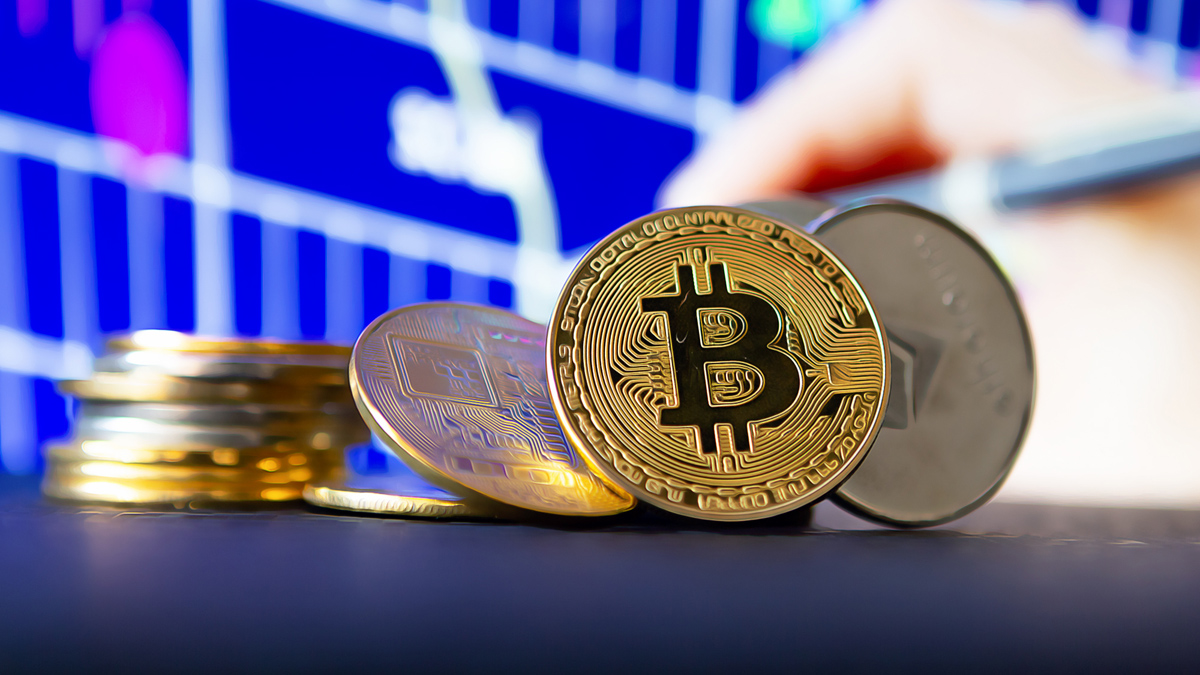
Bitcoin’s increasing legitimacy in global financial markets is raising significant discussions among investors. As digital currencies gain traction, many are comparing them with traditional assets to gauge their viability as long-term investments. Bitcoin has begun to attract attention from both institutional and individual investors, causing shifts in typical investment portfolios. The cryptocurrency’s volatility remains a concern, yet its potential to act as a hedge against inflation adds to its appeal. This situation prompts financial analysts to reassess traditional investment strategies and monitors reactions from established financial institutions.
Why is Bitcoin Capturing Attention?
Bitcoin’s allure stems from its decentralized nature and the promise of high returns. Unlike gold, Bitcoin offers investors a digital and portable form of wealth that aligns with the increasing digitization of the economy. Financial institutions are taking note, driven by Bitcoin’s performance against fiat currencies over the past years. Moreover, the adoption of Bitcoin by major corporations has bolstered its credibility in the financial sector, convincing skeptics to reconsider their stance on digital currencies as viable investment vehicles.
How Do Risk Metrics Influence Bitcoin’s Investment Stature?
Risk capital metrics are increasingly used to evaluate Bitcoin’s investment proposition. According to recent reports, these metrics suggest that Bitcoin should increase its share of the investment base relative to gold. The shift is projected as investors consider Bitcoin’s risk-reward balance underpinned by its growth trajectory and increasing acceptance. A spokesperson commented,
“We anticipate that Bitcoin could capture up to two-thirds of gold’s private investment base.”
Moreover, financial experts argue that traditional metrics used in evaluating assets require adjustments to accommodate digital currencies. The bank states,
“Bitcoin’s current valuation relative to gold offers insights into its evolving investment role.”
These metrics propose an upward trend, implying stronger institutional support and eventual stabilization in Bitcoin’s perceived volatility.
Bitcoin's Comparison with Gold and Future Outlook
As Bitcoin continues to establish itself, comparisons with gold highlight its potential but also its inherent risks. While some investors focus on the security provided by gold, Bitcoin offers growth possibilities. Digital currency advocates argue that Bitcoin represents the next frontier of value, projecting that its adoption will expand as regulatory and infrastructural developments take shape.
Regulatory oversight remains an obstacle, yet ongoing discussions depict it as an opportunity for integration rather than limitation. As governments and agencies formulate crypto-regulations, their actions may stabilize Bitcoin’s volatile market conditions. Investors are encouraged to weigh diversification strategies, considering both crypto and traditional asset classes to balance their portfolios effectively.
Investment strategies are continually evolving in response to the digital age. While Bitcoin’s future role in investment portfolios remains complex, it tantalizes with the possibility of disrupting established financial norms. Its relationship with traditional assets like gold exemplifies both divergence and convergence within modern investment thought. Notably, Bitcoin’s robust potential posits a unique asset class that merits attention, whether for its promise or its unpredictability.