


Key Developments
- •Political tension escalates between the US and Europe over Greenland.
- •This situation affects US-EU trade relations, increasing global market uncertainty.
- •President Trump intends to solidify US influence, despite European resistance.
Geopolitical Conflict Over Greenland
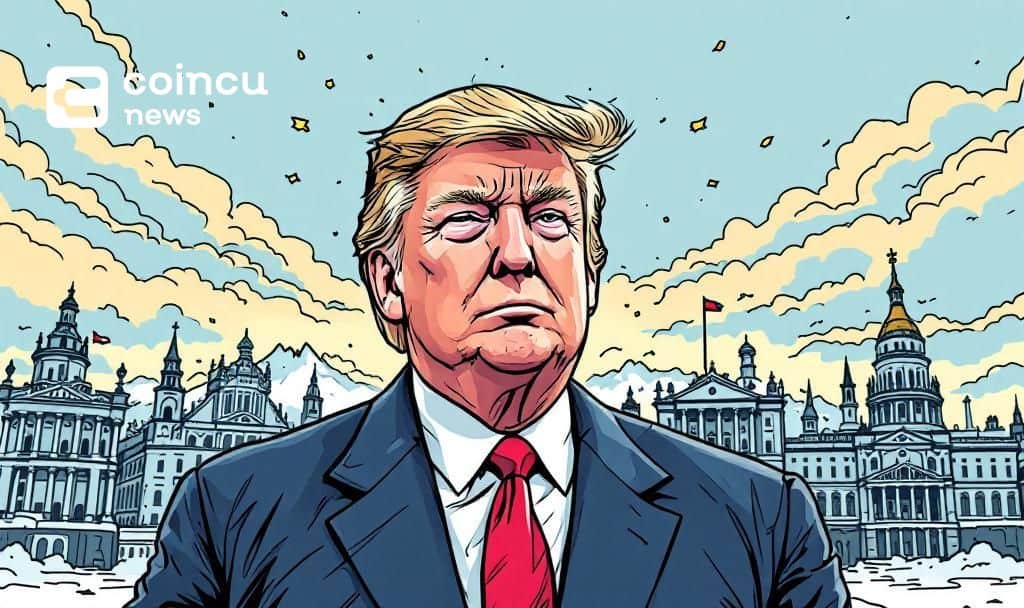
On January 20th, U.S. President Trump stated he would never relinquish control over Greenland, provoking backlash from European allies and risking a division in U.S.-Europe alliances.
The geopolitical tensions have raised market concerns, leading to a decline in European stocks and pressure on U.S. stock futures amid rising safe-haven sentiment.
U.S. President Trump has intensified tensions with Europe by claiming sovereignty over Greenland, an area under Danish influence. His public remarks and AI-generated social media visuals have alarmed European allies. The primary concern lies in the potential risk to longstanding transatlantic alliances, with possible economic and security ramifications.
Danish and Greenlandic leaders reject U.S. claims, affirming their allegiance with Denmark. Meanwhile, EU authorities are weighing countermeasures such as tariffs on U.S. goods. These moves could reshape economic ties between the continents, reflecting on previous tariff threats like those against French wine.
If we have to choose between the United States and Denmark here and now, we choose Denmark. - Jens-Frederik Nielsen
Financial Market Reactions and Bitcoin's Performance
Despite volatile geopolitics, key assets like Bitcoin remain focal in global crypto markets, reflecting ongoing investor interest and resilience.
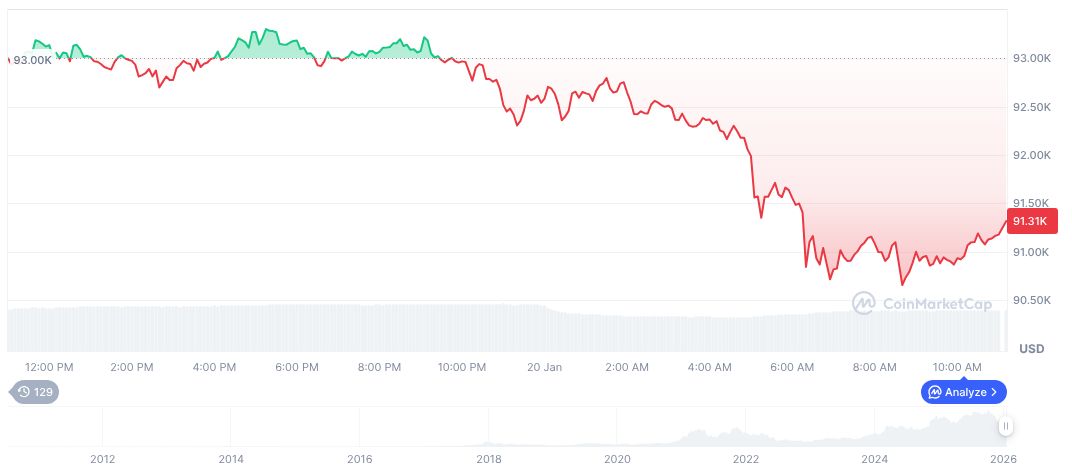
According to CoinMarketCap, Bitcoin (BTC) is priced at $90,919.52, with a market cap reaching $1.82 trillion and a trading volume dropping by 6.54%. Its current market dominance stands at 58.99%, with a supply of 19,978,371 out of a 21 million cap.
Coincu's research team suggests that political events like these could have future financial and regulatory impacts on the market. The EU's accelerated move towards independence might alter the geopolitical landscape significantly, affecting worldwide market trends.