


Exchange Transfers Halted Amidst Major Hack
Bithumb, South Korea’s second-largest cryptocurrency exchange, halted transfers to Upbit on November 27 following a significant hack that resulted in the loss of $36 million in Solana-based tokens from Upbit.
This incident has heightened scrutiny on exchange security measures, impacting the liquidity and trading operations between South Korea's leading exchanges. Upbit temporarily suspended all Solana asset transactions in direct response to the security breach.
Immediate Financial and Operational Impacts
The immediate implications of this breach include disrupted liquidity between these key South Korean exchanges, which in turn affects overall trading volumes. Upbit's decision to halt Solana asset transactions highlights the severity of the security incident.
The financial impact is significant, with Upbit committed to absorbing the losses by guaranteeing full compensation to its users. This assurance was confirmed by CEO Oh Kyung-seok.
Oh Kyung-seok, CEO of Dunamu (Upbit’s parent company), stated, "We will cover the entire amount with Upbit assets to ensure no damage to members’ assets."
Escalating Regulatory Pressures
Did you know? In 2019, Upbit experienced a similar breach where hackers stole over 342,000 ETH. This recurring challenge underscores the persistent vulnerabilities within major exchanges in securing digital assets against sophisticated cyber threats.
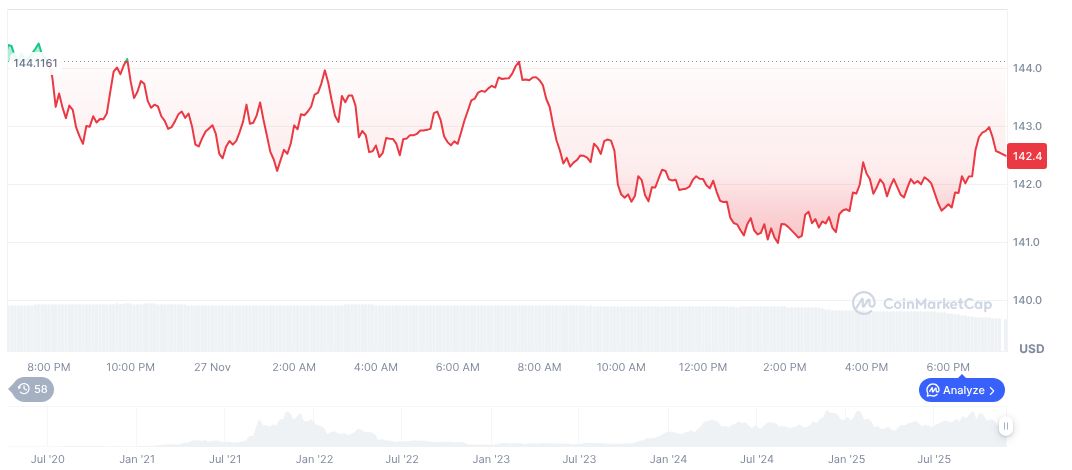
Data from Weex indicates that Solana (SOL) currently holds a market capitalization of approximately $79.68 billion, representing a market dominance of 2.55%. While SOL's price saw a 7.73% increase over the past week, it experienced a 27.95% decrease over the last 30 days. Trading volume has also seen a substantial decline, falling 29.22% in the preceding 24 hours.
Research from Coincu suggests that South Korea's cryptocurrency market may face stricter regulations following this breach. This potential regulatory shift aims to ensure that exchanges adhere to more advanced security standards, a response consistent with historical patterns where major hacks have prompted reinforced regulatory frameworks.