


Tokenization in Finance: A Deep Dive into Global Financial Markets
BlackRock CEO Larry Fink and Coinbase CEO Brian Armstrong are set to headline this year's DealBook Summit, where they will engage in a detailed discussion on the burgeoning field of tokenization in finance and its projected impact on global financial markets. Presented by The New York Times’ Andrew Ross Sorkin, the event will feature a conversation exploring the potential influence of nascent blockchain technology on the issuance, settlement, and trading of assets across numerous international markets.
There is a significant surge in interest surrounding finance tokenization as institutions actively evaluate alternative methodologies for establishing digital ownership and identifying new avenues for enhanced efficiency in cross-border trade, asset management, and market accessibility.
The Global Scrutiny of Tokenization in Finance
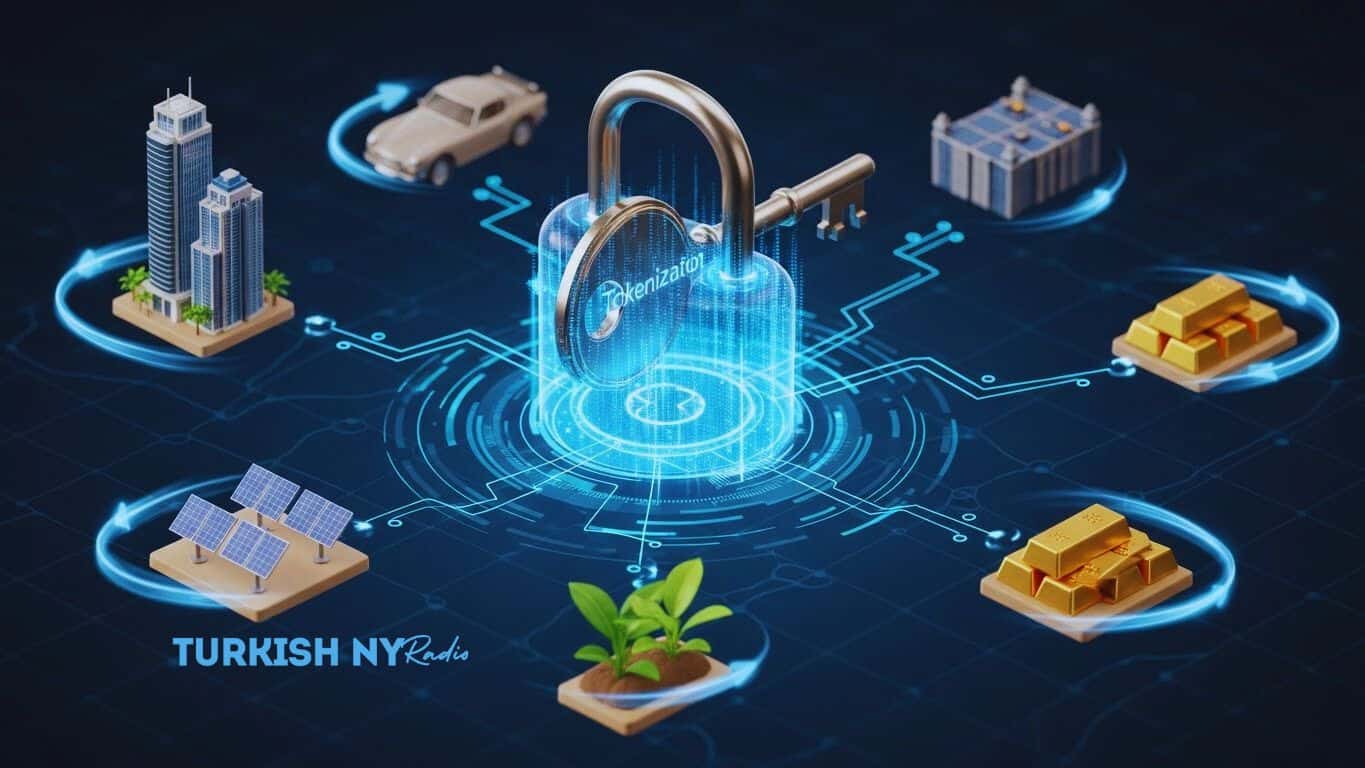
In the financial sector, tokenization involves the transformation of real-world assets—such as bonds, real estate, commodities like oil and gold, and money-market instruments—into secure and transferable on-chain tokens. This transition has the potential to unlock opportunities for round-the-clock settlement, automated compliance processes, and the fractionalization of high-value assets.
Larry Fink has previously stated that tokenization in finance represents the future design of the market. BlackRock's significant engagement in digital currency signals a firm commitment from major asset managers to integrate blockchain-based financial products into their mainstream investment strategies. Concurrently, Coinbase is instrumental in facilitating institutional entry into the digital asset space and is expanding the infrastructure necessary for regulated token issuance and trading.
Reports from international market organizations indicate that the volume of tokenized real-world assets could reach tens of billions of dollars by 2025, serving as an early indicator of institutional adoption. Analysts predict that tokenization in finance will lead to increased liquidity for assets that are traditionally confined to private markets.
Challenges and Risks in Tokenization
Despite the widespread enthusiasm, significant challenges remain. A recent update from the IOSCO (International Organization of Securities Commissions) highlighted several risk factors associated with tokenization in the finance space:
- •Insufficient liquidity in the secondary markets for tokenized instruments.
- •Discrepancies across global compliance frameworks.
- •Investor misunderstanding regarding ownership and custody structures.
The report also notes that the reliance of financial markets on legacy systems and foundational infrastructure curtails the immediate potential impact of Distributed Ledger Technology (DLT) settlement. Conversely, academic research suggests that the adoption of tokenized real-world assets is often uneven across jurisdictions, partly due to long holding periods, uncertain regulatory support, and limited trading venues beyond the issuing platform.
However, regulatory test cases in the U.S., EU, and Asia point towards a convergence in rulebooks, which is expected to simplify the implementation of tokenization in finance for institutions on a larger scale.
Emerging Use Cases in the Real Market
Many leading banks and financial institutions have already begun to adopt tokenization in finance, introducing several highly sought-after products:
- •Tokenized U.S. Treasuries, which have become one of the most rapidly expanding categories of digital assets.
- •On-chain money market solutions offering enhanced transparency and 24/7 settlement capabilities.
- •Fractionalization of real assets, including commercial property and private credit pools.
These early use cases offer a glimpse into the future direction of financial markets, characterized by increased automation, broader accessibility, and significantly reduced operational friction. Market experts estimate that smart contract systems, which can replace slow, multi-step processes involving multiple parties, could reduce annual back-office costs by billions of dollars.
The DealBook Summit's Potential Impact on the Road Ahead
The forthcoming discussion between Brian Armstrong and Larry Fink could play a crucial role in determining the pace at which Wall Street institutions embrace tokenization in finance. As the world's largest asset manager, BlackRock's pronouncements often shape long-term industry trends. Behind the scenes, Coinbase's infrastructure provides the underlying blockchain mechanics that enable the operation of on-chain markets.
For investors and policymakers focused on stabilizing markets, this event raises several significant questions:
- •Will regulators accelerate the adoption of tokenization in finance?
- •Could liquidity increase if institutions actively participate in tokenized markets?
- •When will digital assets become a more integral part of the regular market?
As capital markets navigate a new technological era, the collaborations between forward-thinking platforms and established firms with substantial market interests could influence whether tokenization in finance becomes the prevailing standard or remains a niche upgrade.
Glossary of Key Terms
Tokenization in Finance: The process of transforming ownership rights of physical or financial assets into digital tokens stored on the blockchain, facilitating rapid transfers and enabling fractional ownership.
Digital Assets: Financial assets based on blockchain technology, including cryptocurrencies, stablecoins, and tokenized securities, which can be transferred, traded, and stored on digital platforms using cryptographic technology.
Real-World Assets (RWAs): Traditional assets such as real estate, government bonds, private equity, or commodities that are digitized into tokens, offering investors new avenues for access and liquidity.
Blockchain Technology: A decentralized, cryptographically secure ledger that provides transparent and tamper-resistant records of various assets, commonly used to verify and track token-based transactions.
Settlement: The finalization of a transaction through the transfer of funds or assets from one party to another. Tokenization of assets using automated smart contracts can streamline settlement from days to minutes.
Fractional Ownership: The ability to own a portion of an asset rather than the entire entity. Tokenization makes it feasible to divide expensive assets into smaller, more affordable units.
Compliance Requirements: Laws and regulations applicable to digital assets, designed to ensure investor protection, custody, auditing, and transparency in tokenization processes for various financial instruments.
Secondary Markets: Platforms where investors can buy and sell tokenized assets after their initial issuance. The liquidity of these markets refers to the ease with which digital tokens can be exchanged for cash or other assets.
FAQs About Tokenization in Finance
What is tokenization in finance?
Tokenization in finance involves converting real-world assets into blockchain-based tokens. This process enables 24/7 transfers, faster settlement times, fractional ownership, and improved access to investment opportunities across global markets.
What do the advantages of tokenization mean for investors?
For investors, tokenization offers diversified exposure, reduced operational delays, lower settlement costs, enhanced transparency, and access to assets that are typically difficult to reach, such as real estate, private credit, and institutional money-market funds.
Are there risks or compliance issues related to tokenized assets?
Yes, there are near-term challenges, including regulatory uncertainty, liquidity constraints, and complex custody requirements. Investor confusion regarding ownership is also a factor. However, these issues are expected to diminish as the global regulatory framework matures and becomes fully operational.
How quickly can tokenization become mainstream in financial markets?
Institutional adoption is progressing rapidly. However, widespread adoption requires regulatory clarity, the development of robust secondary markets, and scalable technology to support secure, compliant, and high-volume financial systems.
References
- •
- •
- •