


Bitcoin as a Refuge Asset
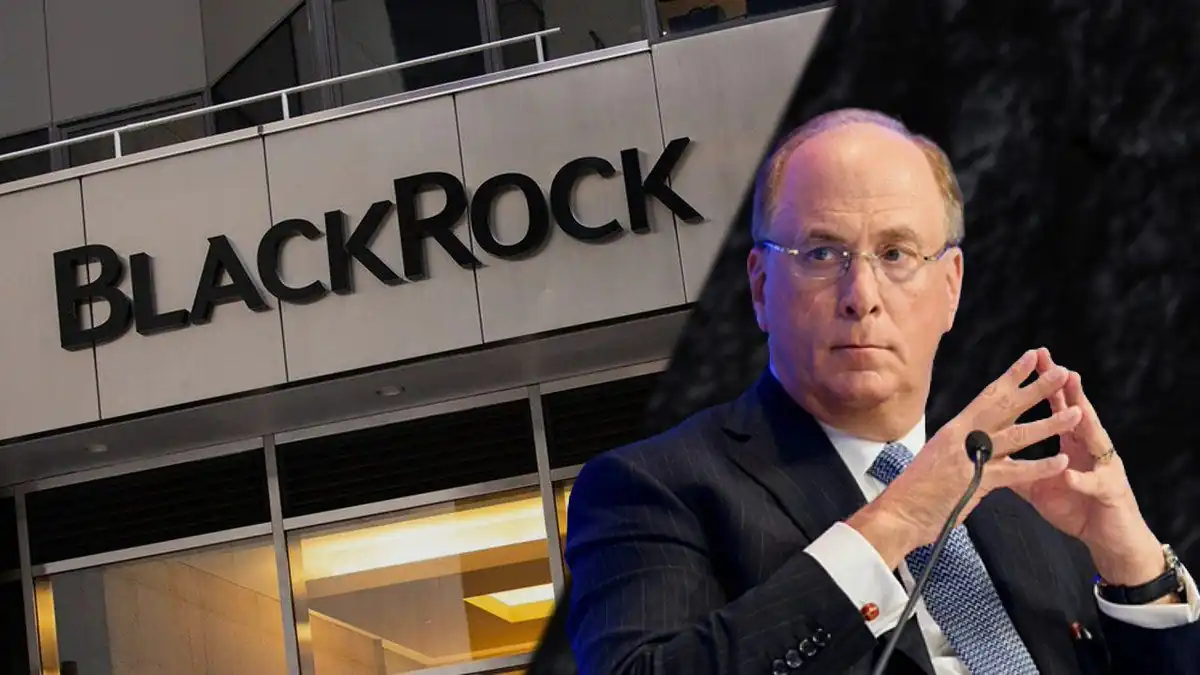
Larry Fink, CEO of BlackRock, has publicly stated that his earlier skepticism toward Bitcoin was misplaced. He now describes Bitcoin as a refuge for investors during periods of instability. Fink links recent Bitcoin price swings to shifts in geopolitical tension and concerns about fiscal deterioration in the global economy.
Fink's perspective has evolved from dismissing Bitcoin as a speculative distraction to viewing it as a tool people utilize when the world becomes unsettled and traditional financial systems feel fragile. He believes Bitcoin's movements are directly influenced by changing global risk factors.
Market Reactions to Global Pressures
Fink argues that Bitcoin's recent price action can only be understood through the lens of shifting global risk. He notes that when geopolitical tensions ease, such as during periods of trade progress between the U.S. and China or emerging optimism around a resolution in Ukraine, Bitcoin often loses some of its appeal. In these instances, markets recalibrate, and Bitcoin experiences pullbacks as fear subsides.
He further believes that the current economic environment is shaped as much by fiscal instability as it is by geopolitics. Concerns about government deficits, declining confidence in fiat assets, and broader worries about economic resilience all contribute to why certain investors choose to hold Bitcoin. For some, this decision is driven by a desire for personal safety, while for others, it stems from a need for financial security within a system they perceive as eroding.
Understanding Bitcoin's Volatility
Despite the motivations driving Bitcoin adoption, Fink remains clear about one critical aspect: the asset's inherent volatility. He pointed out that Bitcoin has already endured another severe drawdown, approximately 20 to 25 percent, marking the third significant correction since the debut of BlackRock's IBIT ETF.
Fink pushes back against the simplistic notion of treating Bitcoin as automatic insurance. He explains that whether a Bitcoin purchase feels protective or painful depends entirely on the timing and the investor's intention. A buyer who entered the market near $125,000 and later witnessed prices drift into the $90,000s would interpret the experience very differently based on whether they viewed the position as a long-term hedge or a short-term trade.
Surge in IBIT Options Popularity
Even as Bitcoin experiences price swings, institutional interest continues to accelerate. A standout development is the massive growth in options tied to BlackRock's spot Bitcoin ETF. IBIT, which launched less than a year ago, has rapidly ascended to become one of the ten largest options markets in the United States. This list is typically dominated by options on major company stocks, broad-market ETFs, and benchmark indices.
Recent data indicates that there are 7,901,926 IBIT options contracts currently open, positioning it as the ninth-largest on a widely followed U.S. options leaderboard. This level of demand has materialized faster than anticipated and underscores how deeply Bitcoin has penetrated mainstream trading infrastructure.
Fink views this rapid increase in derivatives activity as clear evidence that Bitcoin is no longer a niche experiment. It has become a meaningful component of how investors approach risk management, hedging strategies, and overall market structure, even though its day-to-day price behavior remains unpredictable.