


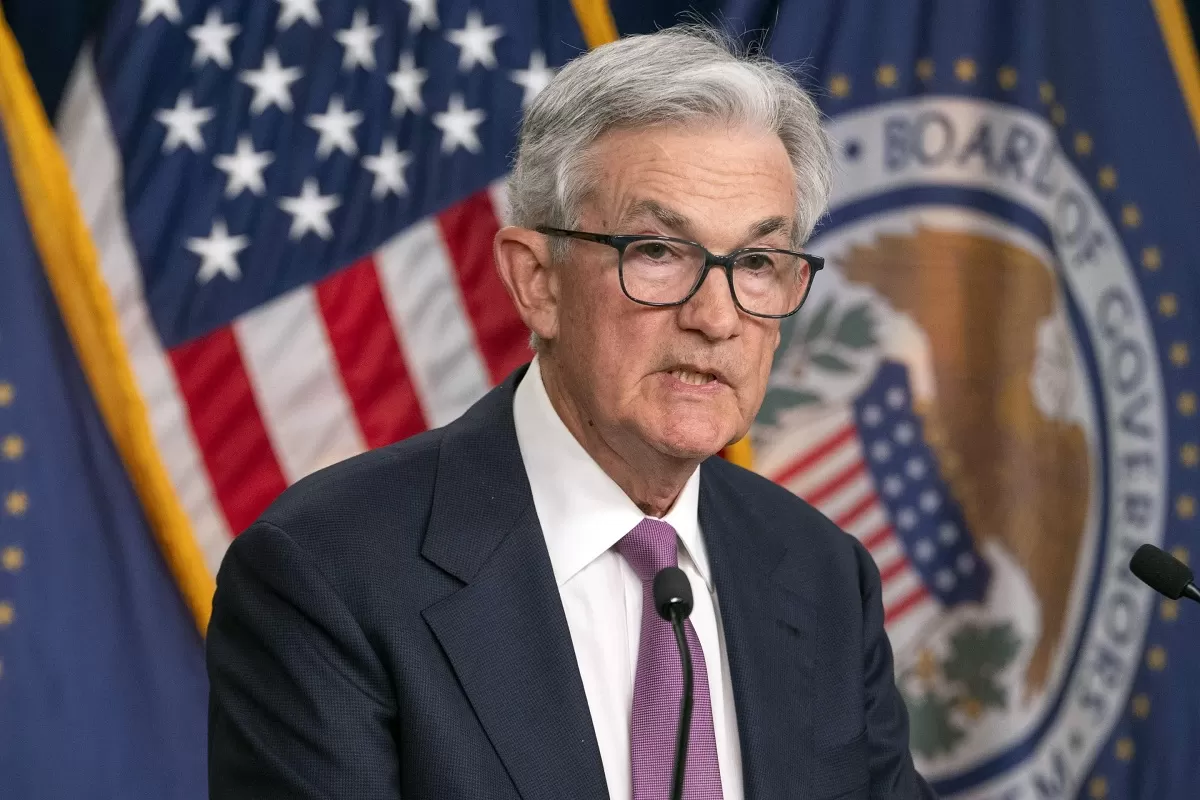
The Federal Reserve, as anticipated, has implemented a 25 basis point interest rate cut. All attention now shifts to Federal Reserve Chairman Jerome Powell's press conference, scheduled to commence at 22:30 (UTC+3).
Divergent Views on Monetary Policy
Within the Federal Reserve, a notable division exists among policymakers. Some members advocate for rate cuts to safeguard the weakening labor market, while others express concern that easing monetary policy could potentially reignite inflationary pressures. Consequently, the primary focus of the recent meeting was the anticipation of a "hawkish rate cut." This term signifies a scenario where, despite a rate reduction, the Fed maintains a cautious and restrictive stance regarding future monetary policy adjustments.
Expert Opinions on the Fed's Stance
Bill English, a former director of monetary policy at the Fed and a professor at Yale University, commented on the likely outcome. "The most likely scenario is a rate cut, but with a statement and press conference indicating that there will be no rush for further cuts," he stated. English anticipates that the Fed will convey a message emphasizing its satisfaction with the current economic conditions and its lack of immediate need for additional policy steps in the near future.
Wall Street economists predict that the Federal Reserve's official statement may revert to language similar to that used last year, concerning "the scope and timing of additional adjustments." Such phrasing could potentially elevate the threshold for subsequent interest rate reductions.
Anticipating Powell's Remarks
Goldman Sachs economist David Mericle believes that Chairman Powell will specifically highlight the perspectives of Fed members who oppose further rate cuts in his remarks. This emphasis is expected to underscore the existing divisions within the committee. Similar to the October meeting, a dissenting vote from both the dovish and hawkish factions is anticipated, and the underlying disagreements regarding the economic outlook, as reflected in the dot plot, are expected to become more pronounced.