


Imagine typing a few words into a computer and getting back a full painting or song; this is what happens with AI-generated art. People use tools like DALL·E or Midjourney to create art by giving the AI a short instruction called a prompt. These AI prompts can lead to beautiful images or music, but the big question here is, if a machine makes the art, can you own it? Can you copyright an AI prompt? And what happens when this art becomes an NFT or gets sold on the blockchain?
This is not just a fun tech question; it has become a serious legal puzzle. Courts, artists, and developers are now trying to figure out the rules of digital ownership in a world where AI and Web3 meet.
AI-Generated Art is Everywhere

In the past, artists spent hours drawing, painting, or sculpting, but today, a teenager can create a digital masterpiece with just a few typed words. With tools like Stable Diffusion or ChatGPT, anyone can make something that looks like it took years of training to create.
These AI systems are trained on huge amounts of data, and they learn from photos, music, books, and all kinds of media. Once trained, they can take a simple prompt like “a panda astronaut in space” and turn it into a detailed picture. It feels magical, but it also brings up tough questions.
Who owns that panda astronaut? Is it the person who wrote the prompt? The company that made the AI? Or no one at all? Right now, different countries are giving different answers.
The Problem of AI Copyright
Copyright is a legal way to protect creative work, and it gives the creator the right to say who can use their work and how. But here is the tricky part: most copyright laws say that only humans can be authors, and that means if an AI made the art, the art might not be protected by copyright at all.
In the United States, the Copyright Office has said that it will not give copyright to works created by AI alone. For example, if you enter a prompt into Midjourney and get back an image, you might not own the rights to that image. The AI made it, not you.
Some people are fighting back. A man named Stephen Thaler, a computer scientist, went to court because he wanted to register a picture made by his AI system. The court said no. The judge ruled that copyright must come from a human mind. This decision shows that AI copyright is still a grey area.
But what if a person writes a clever and detailed prompt? What if they guide the AI through many steps, adding their own ideas along the way? Should that be enough to earn copyright? That is one of the biggest legal fights happening today.
Web3 Law and NFTs
Web3 is the version of the internet built on blockchain technology, where people own digital items using tokens and smart contracts. In this world, digital art can become an NFT, or non-fungible token. An NFT is a digital certificate that says you own something.
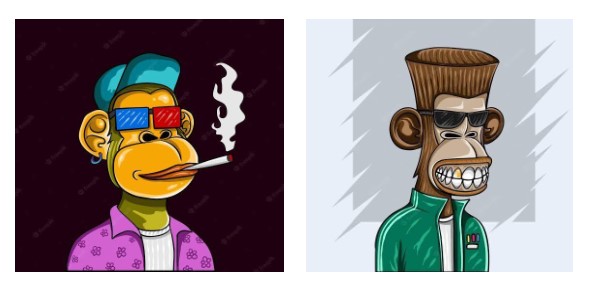
Many AI-generated artworks are sold as NFTs, and people pay real money, sometimes millions of dollars, for AI-made images. But if the art is not protected by copyright, then what does the NFT really mean? Do you own the picture, or just a link to the picture?
Web3 law is still very new. It tries to make sense of blockchain rules, smart contracts, and digital ownership, but when AI gets involved, things become even more confusing. If no one can claim copyright on AI art, then no one can fully control how it is used. That can hurt artists and confuse buyers.
Some Web3 platforms are starting to change their terms. They now ask users to confirm that they have the legal right to mint the art they upload. If you use an AI tool, you might be asked to prove that you added enough of your own work to count as the author.
Who Owns the Prompt?
A prompt is the instruction given to the AI, and some people say prompts are like spells in a magic book. You type in the right words, and the AI brings your idea to life. So, can you copyright a prompt?
So far, most lawyers say no. A short phrase like “a cute robot dancing in Tokyo” is not long or original enough to count as a creative work. But what if the prompt is very detailed? What if it is part of a long process where you give the AI steps, pick the best results, and change things over time?
In that case, you might be able to argue that you are the real creator, you have used the AI like a paintbrush or a camera. The final image reflects your vision and effort, with some AI artists even keeping records of their process to prove how much they did.
Still, this is a new idea, and courts have not yet decided whether prompts can be protected. However, until then, people who use AI for art or music should exercise caution. They should learn the rules in their country and read the terms of the AI tool they use.
Digital Ownership in the AI Age
Owning a digital item is not the same as owning a physical one; you can hold a painting or a CD in your hands, but digital files can be copied, shared, or deleted in seconds. That is why the idea of digital ownership is so important in Web3.
NFTs try to solve this by making ownership clear on the blockchain, and when you buy an NFT, your wallet address is listed as the owner. But that does not always mean you own the copyright or the right to use the art in other ways.
Some NFT creators give buyers full rights, while others keep the copyright and only allow people to display the art. When AI is involved, it is even harder to know what you are buying. If no one owns the copyright, then no one can stop others from copying the art.
That means digital ownership in the AI world is still confusing, with buyers and sellers needing to ask smart questions. They need to understand what rights are included, and they also need to push for better rules and tools to protect their work.
The Future of AI Copyright and Web3
The world is changing fast, and AI is getting better every day, with Web3 growing with new apps, tokens, and communities. More and more people are using these tools to create, share, and sell digital art. But the laws are not keeping up.
Lawmakers, artists, and tech experts need to work together; they need to decide what counts as creative work when a machine is involved. They need to update copyright laws to match the tools people now use. They also need to make sure that creators are protected and rewarded fairly.
Some ideas are already being tested, like in Japan, where lawmakers are thinking about giving rights to AI-assisted art. In the European Union, new laws are looking at how AI and copyright should work together. In the United States, the Copyright Office has started holding public talks to get input from people in the AI and Web3 space.
If better laws are made, AI artists could get more freedom and protection, and NFT buyers could get more confidence in what they own. Developers can also focus on building tools that help people create, not just chase profits.
In Conclusion,
The question “Can you copyright an AI prompt?” is not just about words or code. It is about how we define creativity in a world where humans and machines make things together. It is also about how we protect that creativity and make sure people are rewarded for their work.
Right now, the rules of AI copyright, NFT legality, and Web3 law are still being written, but one thing is clear: If we want a future where digital ownership matters, we need to think carefully about who gets credit when the art is made by both people and machines.
We are entering a new chapter in art, law, and technology. It is exciting, but also messy. The answers we choose today will shape how the internet works tomorrow.