


Introduction to Stablecoin Regulation in Canada
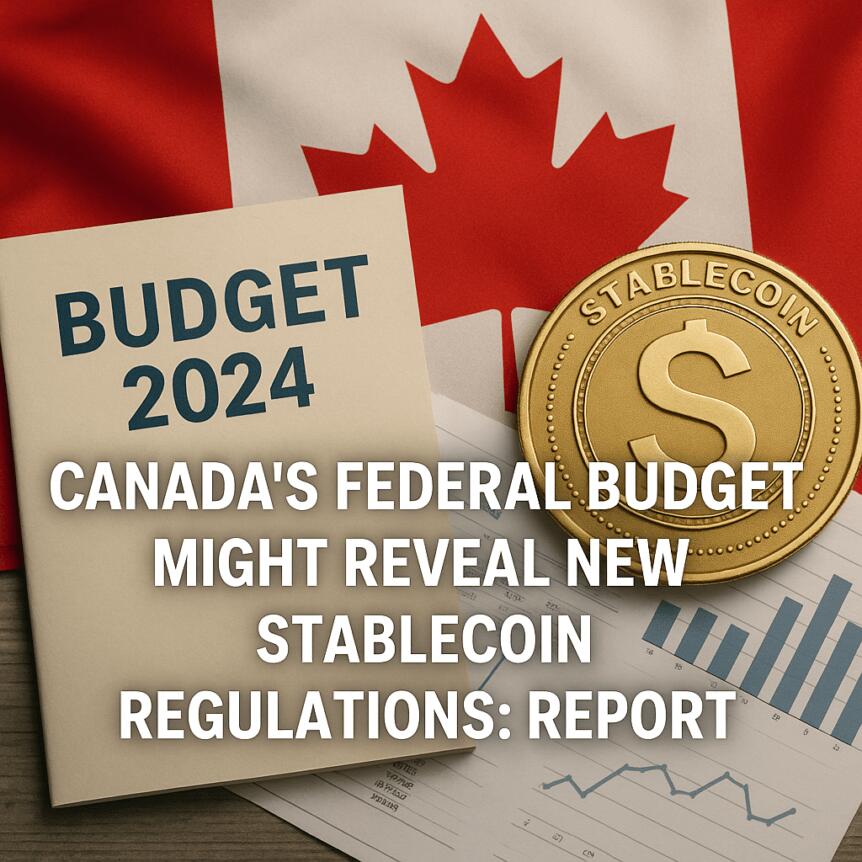
Canada is poised to introduce new regulations for stablecoins in its upcoming federal budget, signaling a concerted effort to create a clearer legal framework amid increasing global emphasis on cryptocurrency oversight. As regulators engage with industry leaders, Canadian stablecoin markets, currently modest in size, could see significant changes, aligning the country’s approach with more developed markets like the United States.
Key Developments and Market Landscape
The Canadian government appears to be stepping up its efforts to formalize regulation for stablecoins, with an announcement expected as early as the federal budget presentation on November 4. This move signals a recognition of the growing importance of cryptocurrencies within the financial landscape and a desire to establish a consistent legal framework to safeguard investors and promote innovation.
Although Canada’s stablecoin market is currently limited, with QCAD — a fiat-collateralized token backed 1:1 by the Canadian dollar issued by Toronto-based Stablecorp — as a notable example, the country’s regulators are clearly paying close attention. US dollar-pegged stablecoins, like USDC, continue to be popular among Canadian users following the discontinuation of Tether’s USDt support earlier this year.
While Canada currently lacks comprehensive stablecoin legislation, regulators have suggested that certain tokens could fall under securities or derivatives laws, hinting at an evolving legal landscape. Industry observers believe formal regulation could attract more participants and foster a more robust crypto ecosystem in the country.
Global Context and US Regulatory Advancements
The push for stablecoin regulation in Canada aligns with a broader global trend. The Bank of Canada has recently urged the federal government to create clearer rules around stablecoins, warning that without such measures, the country risks falling behind other nations in blockchain and crypto adoption.
“Governments are moving to regulate stablecoins and other cryptocurrencies so consumers can reap their benefits and be protected from credit and liquidity risks,” said Ron Morrow, a senior regulator at the Bank of Canada.
In contrast, the United States has advanced faster with legislation like the GENIUS Act, which provides a regulatory blueprint for fully collateralized, dollar-backed stablecoins. Set to take effect in January 2027, this law includes provisions for anti–money laundering safeguards, regular audits, and transparency requirements.
Since the legislation’s passage, interest in stablecoins has surged, with US dollar-pegged tokens like USDC surpassing a market value of $300 billion. This expansion underscores the importance of coherent regulation to support innovation while ensuring investor protection in the evolving crypto markets.