


Liquidity conditions in the United States are shifting rapidly following the end of the record government shutdown, raising expectations for a year-end recovery across equities and digital assets. ARK Invest says roughly $70 billion has already flowed back into markets, with another $300 billion likely to return in the next five to six weeks as the Treasury General Account (TGA) moves back toward normal levels. A second catalyst is approaching on December 1, when the Federal Reserve is set to end its quantitative tightening program and move toward quantitative easing. Under QE, the Fed buys bonds to lower borrowing costs and increase liquidity. If executed, this would be the first easing pivot since the pandemic-era interventions of 2020. “With liquidity returning, quantitative tightening (QT) ending December 1st, and monetary policy turning supportive, we believe conditions are building for markets to potentially reverse recent drawdowns,” ARK wrote in an X post on Wednesday.
Investor Takeaway
TGA normalization plus the end of QT injects fresh liquidity into U.S. markets. If these flows accelerate, risk assets—including Bitcoin—may recover faster than sentiment implies.
Will the Crypto and AI Liquidity Squeeze Ease?
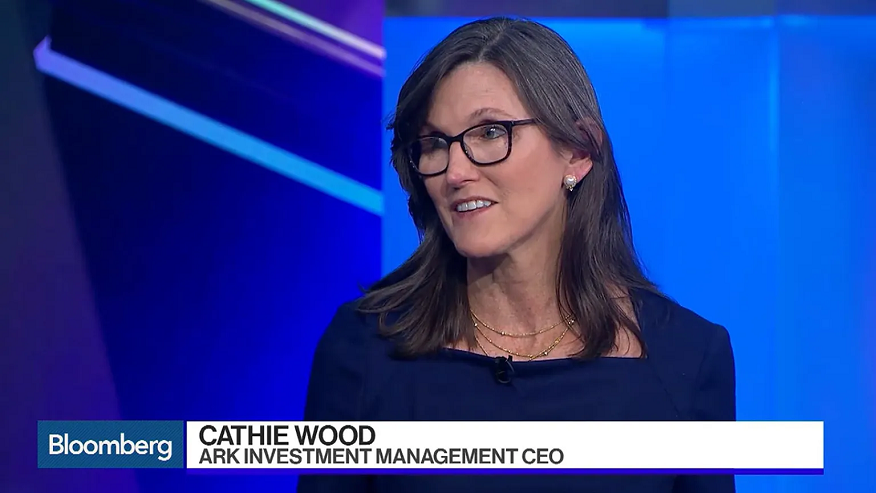
The recent “liquidity squeeze” affecting crypto and AI-linked stocks may soon break, according to ARK CEO Cathie Wood. In her Thursday X post, she wrote that the pressures limiting both sectors should “reverse in the next few weeks” as dollar liquidity improves and the Fed shifts to a looser stance. Wood’s comments come as Bitcoin and large-cap crypto assets remain stuck below key levels. But ARK continues to stand by its long-term outlook. In April, the firm issued a 2030 Bitcoin price forecast of $1.5 million in its bull case and $300,000 in its bear case — a spread that reflects expectations for institutional adoption and broader monetary debasement. These targets remain intact. Wood said stablecoins have reduced Bitcoin’s recent safe-haven flows, yet gold’s surge has offset that dynamic. “The stablecoins have accelerated, taking some of the role away from Bitcoin that we expected,” she said during a Monday webinar. But because “gold price appreciation has been far greater than we expected,” she added, “So net, our bull price, which most people focus on, really hasn’t changed.”
How Strong Is the Case for a Crypto Rebound?
The backdrop for digital assets is improving, but the market remains cautious. Bitcoin sits below the $92,000 mark, a level several traders watch as the threshold for restoring momentum. Iliya Kalchev, dispatch analyst at Nexo, told Cointelegraph that a break above this zone may “open the door to a broader recovery if macro conditions align.” Macro-sensitive traders are watching the Fed closely. A number of high-profile market participants have floated aggressive upside scenarios if the central bank fully pivots to QE. Among them: BitMEX co-founder Arthur Hayes, who has argued that Bitcoin could climb toward $250,000 if the Fed returns to large-scale asset purchases. The timing of liquidity changes also matters. The $70 billion already released since the shutdown offers early confirmation of a thaw. If the expected $300 billion follows through and the Fed eases at the same time, that combination would replicate the playbook that boosted risk assets during previous liquidity waves.
What Comes Next for Markets?
The next milestones are clear. The TGA’s glide path back to normal levels is already underway. The Fed’s planned halt to QT on December 1 will deliver the next piece. After that, markets will focus on how quickly the central bank ramps up bond purchases and how long the easing cycle lasts. For equities, the rebound case hinges on whether liquidity offsets recession worries and earnings pressure. For crypto, the key question is whether Bitcoin can reclaim levels that restore directional confidence. Stablecoins continue to pull capital from Bitcoin’s defensive flows, but the long-term outlook from funds such as ARK remains unchanged. If liquidity expansion continues as projected, year-end markets may look different from the defensive tone seen throughout November. But the next move likely depends on whether the Fed follows through with QE at the scale investors expect.