


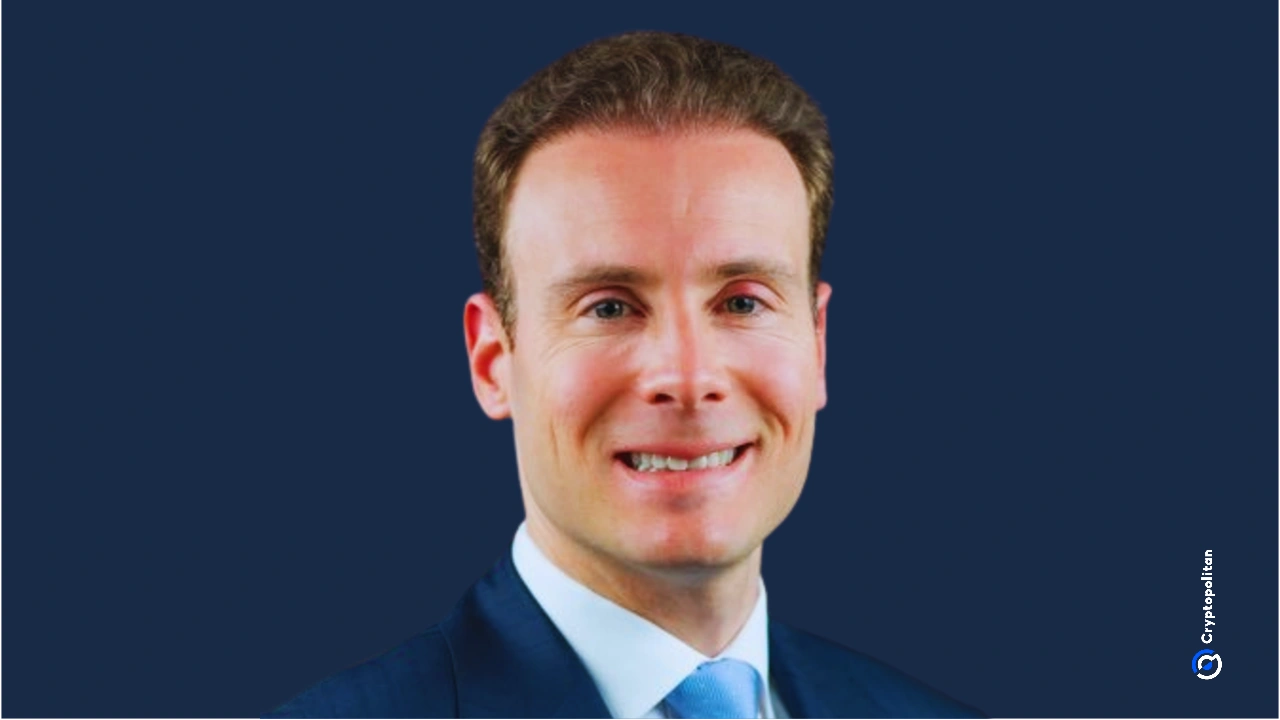
Michael Selig, the current Chairman of the US Commodity Futures Trading Commission (CFTC), recently discussed his "Future-Proof" initiative, which aims to modernize the CFTC's regulatory approach for emerging markets, with a particular focus on digital assets and innovative areas like prediction markets.
Selig stated that under his leadership, the CFTC is establishing a new direction. He acknowledged past mistakes from the previous administration that led businesses to relocate overseas, asserting that despite these challenges, America continues to be a hub for leading innovators.
Selig's Vision for Regulatory Modernization
In an opinion piece for The Washington Post, Selig emphasized that the CFTC and other financial regulators have a duty to create clear and appropriate regulations. These regulations should empower entrepreneurs to build new ventures while simultaneously safeguarding the public from fraud, scams, and market manipulation.
He believes that the CFTC must be prepared for future innovations, and for this to occur, the agency's regulations need to evolve to meet the needs of American innovators.
"That is why I have launched the 'Future-Proof' initiative," he wrote, adding that the CFTC must enhance its approach to foster innovation.
Details of the "Future-Proof" Initiative
The initiative involves a thorough review of the CFTC's existing rules and regulations by agency staff. The goal is to modernize these requirements to ensure a fair competitive environment for both new and established market participants.
"As new asset classes emerge and the CFTC’s role evolves, guidelines we establish should not just fit the product, but also serve a tailored regulatory purpose," Selig elaborated.
He noted that if Congress successfully establishes America as the global leader in cryptocurrency and enacts digital asset market structure legislation, the CFTC will be tasked with a significantly expanded set of responsibilities.
Selig urged policymakers to grant the CFTC the necessary authority, assuring that the agency would ensure these markets thrive domestically through customized regulatory frameworks that uphold the esteemed reputation of American markets worldwide.
He advocates for the CFTC to implement the minimum effective level of regulation, codified through notice-and-comment rulemaking, to prevent drastic shifts in policy between different administrations.
Concluding his piece, Selig called for an end to the rigid and restrictive regulatory practices of the past, promising that the CFTC would seize this significant opportunity to update and future-proof its regulatory strategy.
CFTC's Current Staffing Situation
Despite his forward-looking vision, the CFTC is currently operating with an incomplete leadership structure. The agency requires a five-member bipartisan commission, appointed by the President and confirmed by the Senate, to engage in permanent rulemaking.
Currently, Selig is the sole commissioner serving, and he is a Republican. He was nominated by President Trump in October 2025, confirmed by the Senate on December 18, 2025, and sworn into office on December 22, 2025.
The remaining four commissioner seats are vacant, with no announcements regarding new confirmations.
The absence of these commissioners has raised concerns about the importance of bipartisan input, particularly in the complex domain of digital assets. Reports from January 8, 2026, indicated that the White House was considering a bipartisan selection of potential candidates, but no confirmations have been made.
Selig continues to lead the agency independently, granting him considerable influence over its decisions and priorities. However, the current structure faces ongoing criticism regarding the lack of diverse perspectives.
While the commissioner positions remain unfilled, Selig has made other staffing appointments to support his work at the agency.
In December 2025, he appointed Amir Zaidi as Chief of Staff of the CFTC. This year, he has also appointed two additional senior staff members to his office: Michael Passalacqua and Cal Mitchell, both serving as senior advisors. Neither are commissioners, meaning the four vacant seats will remain empty until presidential nominations are put forth and confirmed.