


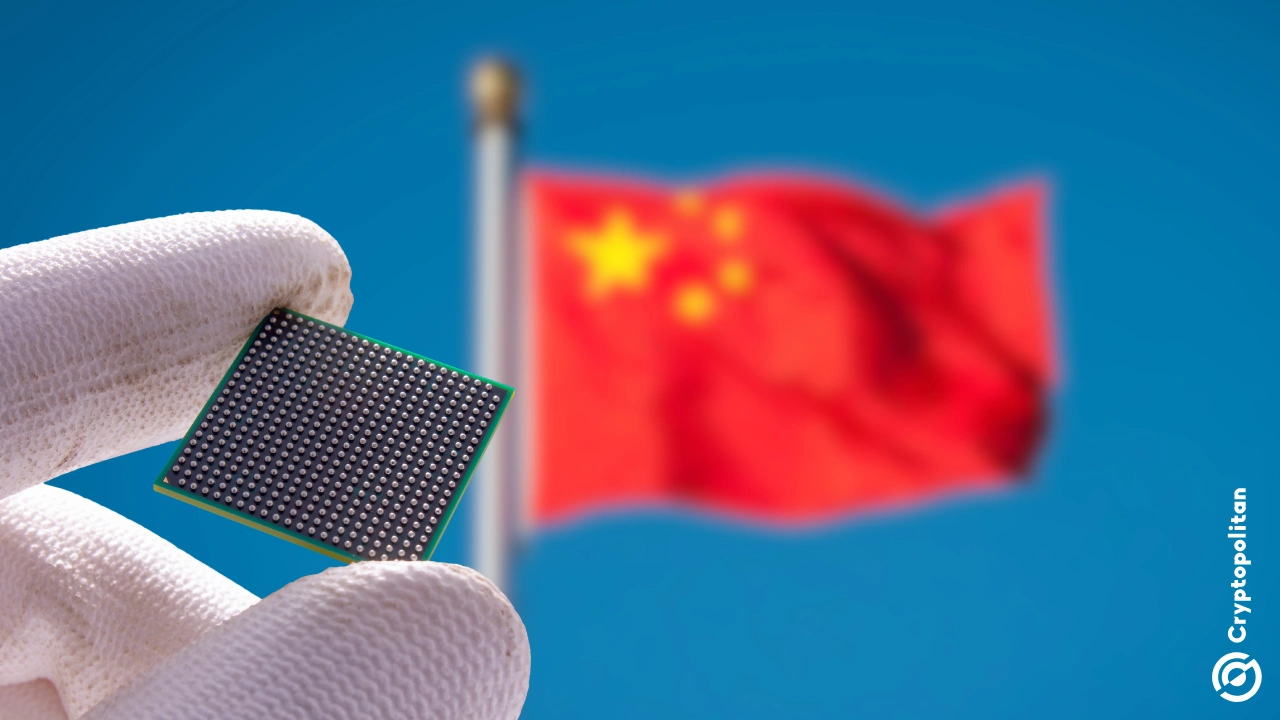
China has officially ordered all state-run institutions to begin using locally made AI chips, effectively barring Nvidia from a significant portion of the market. This directive was confirmed by two individuals familiar with the government's guidance.
The new directive adds chips from domestic manufacturers Huawei and Cambricon to the Information Technology Innovation List, which serves as a procurement guide for all state-linked entities. This list guides agencies, state-owned companies, schools, and hospitals in their purchasing decisions for AI chips.
While these organizations had previously been encouraged to prioritize domestic suppliers, this marks the first instance of a formal written order mandating the use of local AI chips. The list, widely known in China as Xinchuang, has been circulated internally but has not yet been made public.
Accelerating National Semiconductor Use
This strategic move is aimed at accelerating the national adoption of homegrown semiconductors. It is anticipated to generate billions of dollars in new orders for domestic chipmakers. The decision comes shortly after former President Donald Trump, now back in the White House, cleared limited exports of Nvidia’s H200 processors to select Chinese buyers.
Despite the potential for renewed Nvidia sales, significant hurdles remain. Several lawmakers in Washington have expressed concerns regarding the export of high-end chips to China. Furthermore, Beijing's new directive could lead to an outright ban on imports of foreign-made AI chips.
For the past several years, Beijing has leveraged the Xinchuang initiative to systematically phase out foreign hardware and software from the public sector. The list already includes Chinese-manufactured CPUs intended to replace offerings from AMD and Intel, as well as local operating systems designed to serve as alternatives to Windows.
These policies have resulted in the gradual removal of American technology products from thousands of government offices, universities, hospitals, and major state-owned enterprises. The inclusion of AI chips in this purge signifies a comprehensive effort to achieve technological self-sufficiency.
Officials involved in implementing this policy indicated that public-sector systems will soon cease using Nvidia's hardware entirely. In anticipation of this transition, the government has also expanded its energy subsidy program for the country's largest data centers.
Some operators, particularly those managing infrastructure for companies like Alibaba and Tencent, are now eligible for discounts of up to 50% on their electricity bills. These subsidies are intended to offset the increased energy costs associated with utilizing less efficient domestic chips.
The recent allowance for Nvidia's H200 chips represents a brief and limited window of opportunity for the company in the Chinese market.