


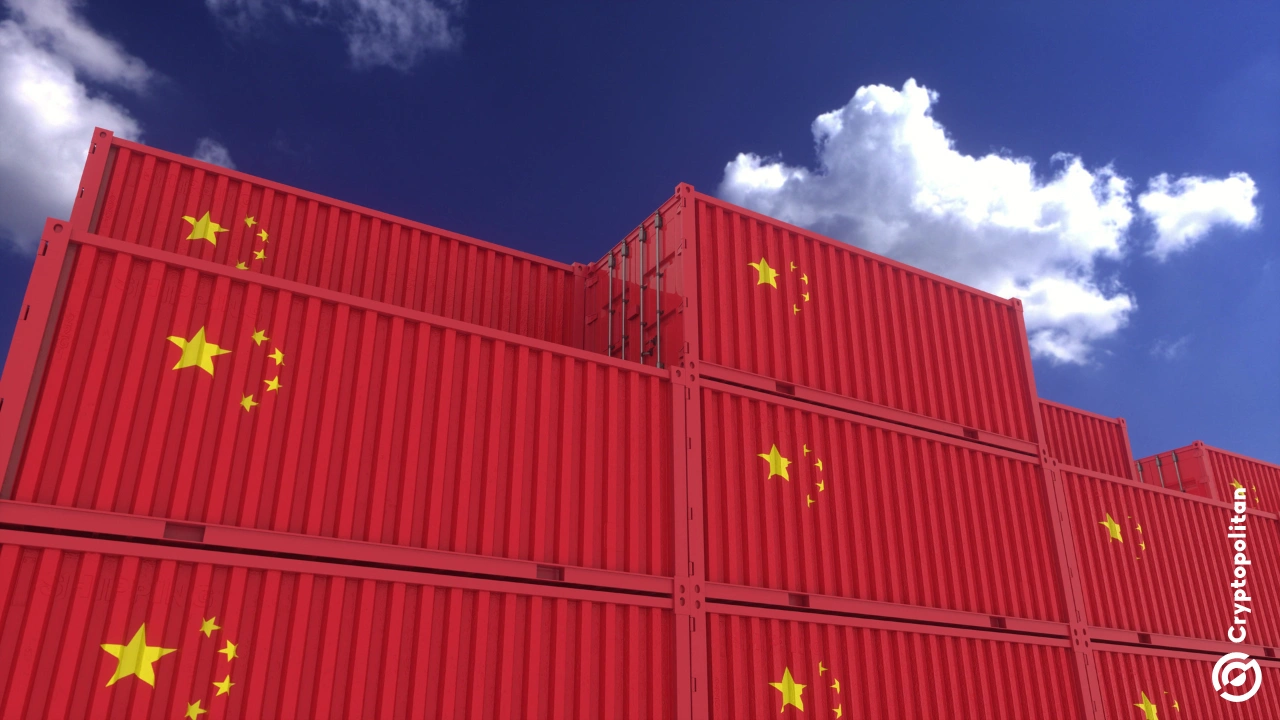
December Rare-Earth Exports Show a Decrease
China exported 6,745 tons of rare-earth products in December, a drop from 6,958 tons in November, based on customs data released Sunday.
The biggest chunk of the exports are rare-earth magnets, which have played a key role in past trade fights. China’s Ministry of Commerce had recently said it’s adding controls on shipments that could be used in military applications, with Japan clearly in mind.
These two countries have been in a dispute ever since Japan’s new prime minister Takaichi Sanae made comments about Xi Jinping’s very publicized plans for Taiwan, saying that she will come to the aid of the island nation should Beijing move forward with those plans.
China Daily reported that Beijing is also considering tightening up license rules for shipping these critical rare earth materials to Japan.
U.S. and Allies Convene to Reduce Dependence on China
The export numbers do not specify the destinations of the materials or the types shipped. A more detailed breakdown is expected to be released on Tuesday. Nevertheless, governments are already responding to the current situation.
China announced in October that these export restrictions would be applied globally, rather than targeting specific countries.
Consequently, the U.S. invited the G7 finance ministers, along with representatives from Australia, India, South Korea, and the EU, to a meeting in Washington on Monday.
The meeting was led by Treasury Secretary Scott Bessent, and the primary focus was on strategies to reduce reliance on China for rare earths. Discussions included establishing price floors to support the development of rare-earth projects in other nations and forging new partnerships to secure supplies from diverse sources.
An official present at the meeting stated, “Urgency is the theme of the day. It’s a very big undertaking. There’s a lot of different angles, a lot of different countries involved, and we need to move faster.”
Growing Tensions Over Military Applications and Economic Leverage
Currently, foreign companies are required to obtain a license from China to export rare earths or related technologies.
This licensing system is now being utilized to delay or block exports to specific regions, particularly affecting defense and advanced technology sectors in countries such as Japan, Europe, and the U.S.
Jon Lang, who manages economic security policy at APCO in Washington, commented that the U.S. initiative to decrease rare-earth dependence was an "easy sell" due to what he described as China’s widespread economic coercion. He also noted that the G7 nations are currently more unified than in the past.
Lang further added, “The meeting could also be seen as a show of support for Japan, as it had been an early victim of China using rare earths as a tool of trade coercion since 2010.”
In response, The Global Times, a Chinese state-owned tabloid, characterized the G7 discussions as an indication of America’s strategic anxiety.
The publication asserted that the West's objective of surpassing China in rare-earth supply is unlikely to be achieved, given the current global demand and production landscape.
Despite these assertions, it is evident that China is observing increased investment by other countries in new mining and processing facilities. The global desire to avoid perpetual reliance on a single nation is a significant factor.
Since the announcement in October, there has been a concerted global effort to establish new supply chains for these critical materials.