


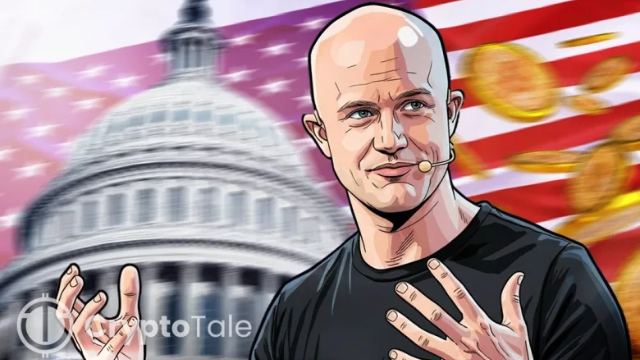
Coinbase CEO Brian Armstrong has stated that the long-debated U.S. crypto market structure bill is "90% complete." The remaining 10% of the legislation is focused on the regulation of decentralized finance (DeFi) and stablecoin rewards. These remarks followed bipartisan meetings on Capitol Hill as lawmakers aimed to finalize the landmark legislation before the Thanksgiving holiday.
Bipartisan Push Amidst Government Shutdown
Speaking from Washington, D.C., Armstrong reported that both Senate Democrats and Republicans have achieved a broad agreement on most of the bill's text. He noted that despite the partial government shutdown, the momentum for market structure clarity is at an all-time high. Armstrong confirmed that he had met with senators from both parties earlier in the week, describing the ongoing talks as some of the most productive to date.
He indicated that draft text is being exchanged and that "both sides are 90% on the same page." These meetings, which lasted several hours, included prominent figures such as Senate Majority Leader Chuck Schumer, Senator Tim Scott, Senator Kirsten Gillibrand, and Senator Cynthia Lummis.
The Coinbase CEO highlighted that only a few critical issues remain unresolved. The primary challenge lies in determining how to apply regulatory oversight to decentralized platforms without hindering innovation. This final portion of the legislation, he explained, will define how DeFi protocols and centralized exchanges are treated under U.S. law.
Unresolved Issues: DeFi Rules and Stablecoin Rewards
Armstrong urged lawmakers to ensure that regulations target centralized intermediaries, such as Coinbase, rather than open-source DeFi protocols. He argued that decentralized software should operate outside traditional frameworks designed for custodial platforms.
His comments underscore a growing industry effort to gain clarity on how decentralized systems will function within a regulated environment. Another significant unresolved matter pertains to stablecoin rewards, a topic that has faced opposition from major banks. Armstrong suggested that the banking lobby is attempting to prevent consumers from earning yield on regulated stablecoin holdings, referring to the recently enacted GENIUS Act, which legally protects stablecoin incentives and establishes federal reserve and transparency standards.
Coinbase's Chief Legal Officer, Paul Grewal, echoed this sentiment on X, stating, "If you want to protect people, regulate CEXs like us, not DeFi software or protocols. It’s not hard." This statement reinforces Coinbase's position that consumer protections can coexist with decentralized innovation if structured appropriately within the bill.
Lawmakers Target Thanksgiving Deadline for Bill Advancement
The crypto market structure legislation, officially named the Digital Asset Market Clarity Act or CLARITY Act, passed the House of Representatives in July with a bipartisan vote of 294–137. The bill's objective is to differentiate which digital assets are classified as securities under the Securities and Exchange Commission (SEC) and which fall under the Commodity Futures Trading Commission (CFTC).
Under the proposed framework, decentralized networks would be overseen by the CFTC, while more centralized projects would remain under SEC regulation. The legislation also aims to establish clear rules for secondary trading, custody services, and decentralized finance operations, areas that have long experienced regulatory ambiguity.
Armstrong anticipates that the Senate Banking Committee, chaired by Senator Tim Scott, will advance the bill by Thanksgiving. If this timeline is met, the proposal could reach the Senate floor before the end of the year. Armstrong expressed optimism, stating, "Both sides are working hard to figure out the final 10%, and we’re getting close," indicating that Congress is closer than ever to resolving digital asset oversight.
Urgent Push for Regulatory Clarity
This week's bipartisan meetings included senior executives from the crypto industry, such as Kraken co-CEO David Ripley, Uniswap Labs founder Hayden Adams, and Chainlink Labs co-founder Sergey Nazarov. The discussions focused on safeguarding innovation while establishing enforceable standards for transparency and compliance.
Armstrong's drive for timely legislation comes amidst a significant increase in decentralized market activity. Industry analysts suggest that clearer market definitions could attract greater institutional participation and contribute to stable liquidity across exchanges.
A breakthrough on the crypto bill would represent the first comprehensive digital asset framework in U.S. history, bringing it closer to global standards like the European Union's MiCA regulation. The ongoing collaboration between policymakers and industry leaders highlights the pressing need to modernize U.S. financial laws to keep pace with blockchain innovation.