


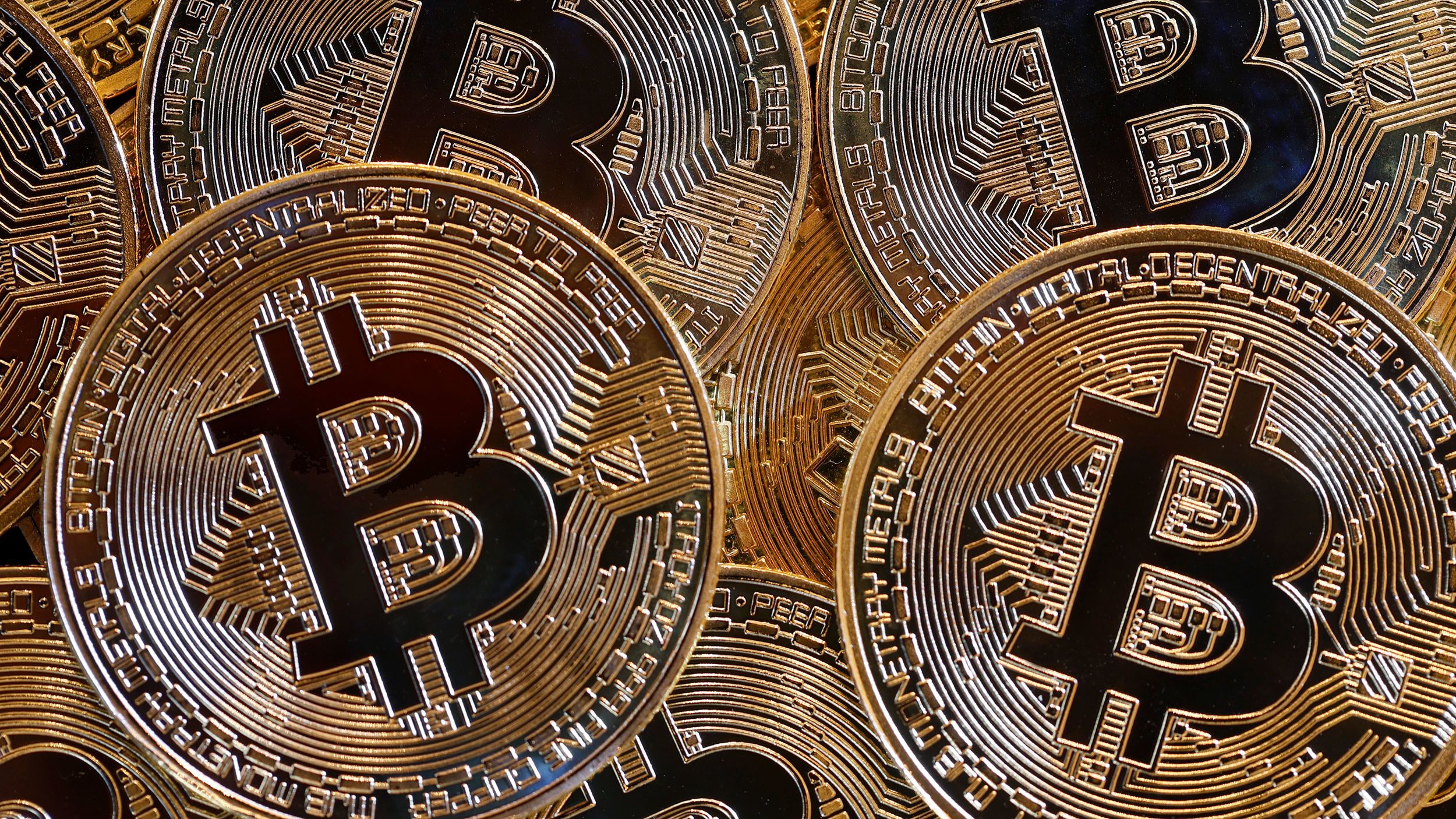
Futures trading has become one of the fastest-growing segments of the cryptocurrency market as traders and institutions look for ways to gain exposure to digital assets without directly holding them.
From major centralized exchanges to decentralized platforms, the availability of futures contracts has expanded rapidly in the past three years. Analysts say the rise of crypto derivatives is reshaping how price discovery, risk management and speculation occur in the sector.
Explosive Rise in Trading Volumes
According to data from multiple analytics firms, daily trading volumes for crypto futures often exceed those of the spot market. Platforms such as Binance, Kraken, Bybit and OKX routinely process tens of billions of dollars in futures transactions per day, while regulated venues like the CME have also seen record activity.
The growth is not limited to Bitcoin. Ethereum and other large-cap tokens now have highly liquid futures markets, and exchanges are experimenting with contracts on newer assets and even baskets of coins.
Hedging Tool for Miners and Institutions
While retail traders often approach futures for leverage and speculative bets, institutions use them for risk management. Crypto miners, for instance, frequently hedge their future production by selling Bitcoin futures to lock in prices and reduce revenue volatility.
Hedge funds and market‑making firms also use futures to manage directional exposure or arbitrage price differences between spot and derivatives markets.
Impact on Price Discovery
The prominence of futures has also shifted the center of price discovery. In traditional commodities like oil or gold, futures prices often guide the spot market, and the same dynamic is emerging in crypto.
Open interest (meaning the total value of outstanding futures contracts) is widely tracked as a gauge of investor sentiment. Spikes in open interest and funding rates can indicate excessive leverage building up, sometimes foreshadowing sharp price swings.
Leverage and Liquidations
Leverage is a double‑edged sword for traders. Many exchanges offer up to 50x or even 100x leverage, enabling large positions with relatively small capital. But when markets move quickly, highly leveraged positions are prone to liquidation.
Episodes of cascading liquidations have exacerbated past market crashes. In May 2021, for example, a sharp drop in Bitcoin’s price triggered billions of dollars in forced futures liquidations within hours, accelerating the sell‑off. As a result, some platforms have reduced maximum leverage or added risk controls.
Rise of Decentralized Futures Platforms
Alongside centralized exchanges, decentralized finance (DeFi) protocols such as dYdX and GMX have introduced non‑custodial futures trading. These platforms let users trade perpetual contracts directly from their wallets without depositing funds on a centralized exchange.
Decentralized futures have grown quickly but still represent a small share of the overall derivatives market. Their advocates argue they reduce counterparty risk and censorship concerns, but they face challenges such as on‑chain liquidity, oracle accuracy and regulatory uncertainty.
Regulatory Scrutiny Increases
Crypto futures fall under a patchwork of regulatory regimes worldwide. In the U.S., the Commodity Futures Trading Commission (CFTC) oversees derivatives, and only a handful of exchanges such as CME and LedgerX are registered to offer them to U.S. customers.
Most offshore platforms restrict U.S. residents but remain accessible to traders elsewhere. Regulators in Europe, Asia and the Middle East are also updating rules to address the risks of high‑leverage crypto derivatives.
Analysts expect that tighter oversight could improve market integrity but may also push some activity further into decentralized venues. “Regulation will be a key factor shaping the next phase of crypto futures,” said a brokerage analyst.
Outlook: Mainstreaming of Crypto Derivatives
With institutional adoption rising and products becoming more sophisticated, crypto futures appear poised to remain a cornerstone of the digital asset ecosystem. New offerings such as options on futures, volatility indices and tokenized perpetuals are already under development. Industry observers believe that as the market matures, futures will not only be a speculative instrument but also a crucial tool for risk management and efficient pricing.