


Key Discussion Points and Participants
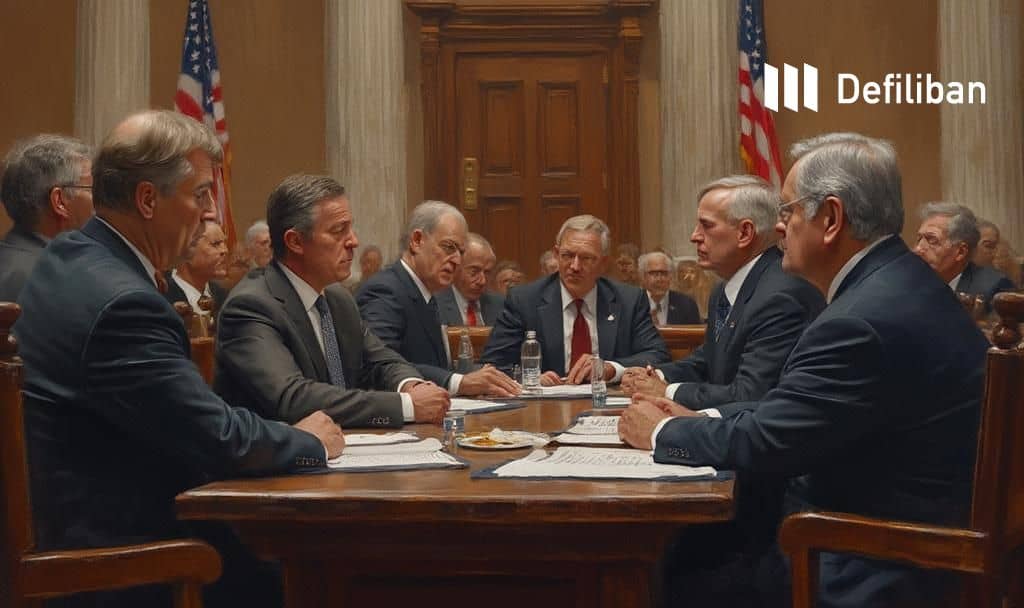
Crypto leaders are scheduled to meet with Senate Democrats for discussions concerning digital asset market legislation. This private roundtable is set to take place on October 22, 2025, with a primary focus on addressing recent legislative proposals, particularly those affecting decentralized finance (DeFi). Senator Kirsten Gillibrand will lead the meeting.
The gathering will include prominent figures from the cryptocurrency industry, such as Coinbase CEO Brian Armstrong and Chainlink CEO Sergey Nazarov. These executives represent significant organizations within the sector and are deeply involved in shaping U.S. crypto policy. Their participation highlights the industry's vested interest in the proposed regulations that could impact market operations.
Participants Representing Crypto's Foundation
The meeting includes chief executive officers from leading companies like Kraken, Uniswap, and Ripple. Each attendee represents a distinct aspect of the crypto ecosystem, ranging from trading platforms and stablecoins to decentralized exchanges. The presence of these executives underscores the industry's significant concerns regarding current regulatory developments.
Brian Armstrong, CEO of Coinbase, has publicly voiced criticisms of the existing proposals. He has expressed worries that overly stringent regulations might lead to innovation and investment being diverted away from the United States. Other prominent figures in the industry have echoed these sentiments, emphasizing the critical need for balanced and thoughtful legislation.
Background of the Legislative Context
These discussions follow the leak of a draft regulation specifically targeting DeFi. Critics, including some members of the Republican party, have argued that this proposal could stifle innovation within the U.S. by imposing strict measures, such as mandatory Know Your Customer (KYC) and Anti-Money Laundering (AML) compliance for wallet providers. Many within the industry view these measures as excessively burdensome.
The draft's proposal to grant increased authority to the Treasury Department and introduce new registration requirements has ignited significant debate. This situation led to a temporary halt in bipartisan negotiations, thereby creating a pressing need for further dialogue between industry leaders and policymakers.
Potential Implications for Crypto Assets
The evolving legislative framework has the potential to significantly impact various crypto assets, particularly those associated with DeFi and Layer 1 protocols. Assets such as Ethereum, Solana, and tokens like UNI and LINK could experience volatility as new regulations begin to shape both custodial and non-custodial wallet operations.
Companies and developers within the crypto space are closely monitoring these proceedings, anticipating how decisions regarding market structure might influence liquidity and future token offerings. Historical legislative discussions have often resulted in short-term market reactions, including shifts in total value locked (TVL) for specific protocols and changes in user migration patterns.
Industry Response and Regulatory Directions
Discussions within the Senate are concentrating on clearly defining the roles and responsibilities of financial regulators, such as the Securities and Exchange Commission (SEC) and the Commodity Futures Trading Commission (CFTC). There is a notable push for clearer definitions to facilitate streamlined oversight and encourage innovation within the sector. Recent appointments of individuals with expertise in cryptocurrency to advisory panels suggest a growing recognition of the sector's insights in shaping these crucial frameworks.
This meeting represents a critical juncture in the ongoing discourse surrounding cryptocurrency regulation in the United States. As regulatory bodies strive to achieve a balance between oversight and innovation, the outcomes derived from such engagements are likely to guide industry standards moving forward.