


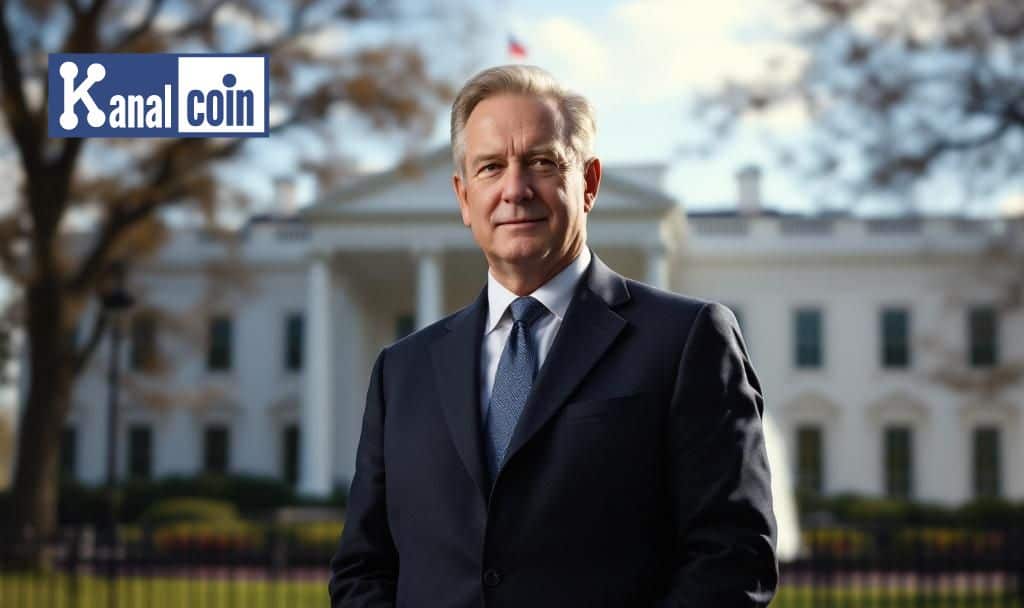
David Sacks has been appointed as the White House AI and Crypto Czar, a pivotal role that will see him spearheading U.S. digital asset policy. Sacks' new position is expected to significantly influence crypto market regulations, with potential effects on asset values and the future of U.S. leadership in the blockchain sector.
Sacks Positions U.S. as Global Crypto Leader
As the White House AI & Crypto Czar, David Sacks is at the helm of the Working Group on Digital Asset Markets. His primary objective is to establish the United States as the preeminent global leader in cryptocurrency by cultivating regulatory clarity and fostering the responsible expansion of blockchain technology. Recently, Sacks announced the establishment of an executive branch working group tasked with developing clear regulations and oversight mechanisms for digital assets. This initiative has garnered support from key policymakers, signaling a transition from an adversarial approach to a more structured regulatory framework.
GENIUS Act Proposes Stablecoin Framework
The proposed GENIUS Act outlines definitions and regulatory structures for stablecoins, aiming to stimulate investment and innovation within the digital asset space. This legislation could lead to a strategic reallocation of resources towards a national Crypto Reserve, which may impact the value and adoption of various cryptocurrencies, including Bitcoin and Cardano. Current analysis suggests that the U.S. adoption of a pro-crypto stance could trigger substantial economic shifts. Previous regulatory environments often lacked the necessary clarity, indicating that Sacks' current approach has the potential to drive significant market transformations, with anticipated outcomes including economic growth and a balanced regulatory landscape. Sacks commented on the potential for a national digital asset reserve, stating, "We are assessing the feasibility for a potential bitcoin reserve."
Shifting from Enforcement to Structured Frameworks
Historically, U.S. cryptocurrency policies have been characterized by a heavy reliance on enforcement actions, a strategy that has drawn criticism. Sacks' current strategy, which prioritizes the development of structured regulatory frameworks, stands in contrast to these previous environments. This approach mirrors initiatives previously undertaken by the President’s Working Groups. Experts, such as those at Kanalcoin, support Sacks' methodical policy development, believing it will encourage innovation while ensuring robust investor protection. These efforts are informed by data analysis and historical trends, with projections indicating a promising future for the U.S. cryptocurrency market.