


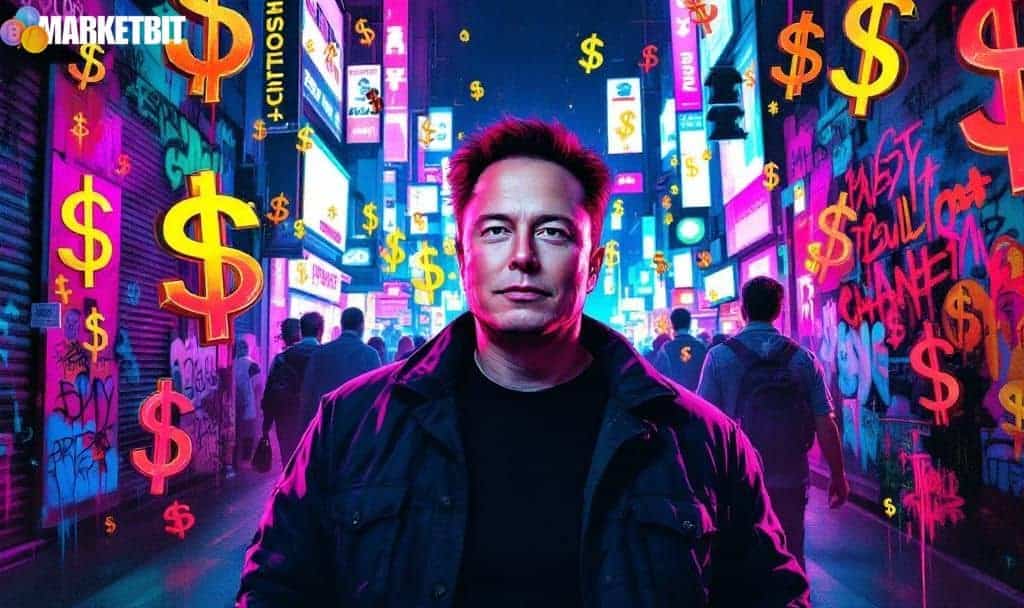
Elon Musk, the CEO of Tesla and SpaceX, has once again demonstrated his significant influence over Dogecoin's market performance. His recent online remarks have directly contributed to a notable surge in the cryptocurrency's price, underscoring his continued impact on investor sentiment and market dynamics.
This recurring phenomenon highlights how Musk's statements, even in the absence of any fundamental changes or official initiatives related to Dogecoin, can trigger substantial market shifts and speculative trading activities. Historical patterns dating back to 2019 illustrate the consistent correlation between Musk's public engagements and Dogecoin's price movements.
Market Reaction and Speculative Trading
The market's reaction to Musk's latest comments was swift and pronounced, resulting in significant increases in Dogecoin's market capitalization. Speculative trading activity reached new highs, primarily fueled by Musk's pronouncements. This surge occurred despite a lack of any substantial advancements in the development or infrastructure of the Dogecoin ecosystem.
The financial community is closely observing these developments, acknowledging the substantial impact of Musk's endorsements. While some investors may welcome the resulting volatility, others express caution, emphasizing the speculative nature of these rallies and the absence of underlying structural changes or significant external investments into the cryptocurrency.
Analysis and Future Outlook
Analysts interpret these market movements as a testament to Dogecoin's valuation being heavily driven by market sentiment. The apparent lack of significant developer activity prompts ongoing discussions about the memecoin's long-term viability and prospects. The prevailing uncertain regulatory environment further complicates the landscape, presenting potential challenges for cryptocurrencies.
Market observers remain vigilant regarding the sustainability of these price rallies. The increasing reliance on Musk's public endorsements over technological innovation has contributed to heightened volatility. Current speculative patterns suggest that traders are often prioritizing brief, social media-driven cycles rather than focusing on the fundamental aspects of the project.