


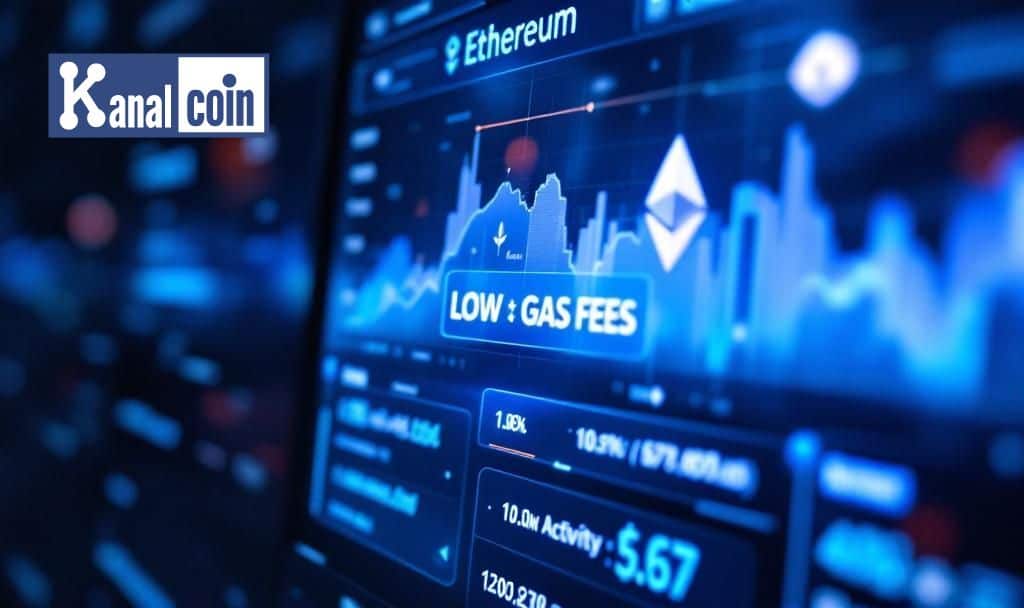
Ethereum's network has experienced a historic drop in gas fees to 0.067 Gwei as of November 2025. This significant decrease is a direct consequence of decreased on-chain activity and reduced market volumes.
These record-low fees could enhance Ethereum's utility for users by making transactions more affordable. However, they also raise concerns over validator incentives and the overall protocol sustainability. To date, there has been no substantial public comment from Ethereum's leadership regarding this development.
Lack of Official Statement on Fee Decline
Amidst these significant changes in network economics, Ethereum leadership has not published any official statements. The unexpected decline in fees is yet to be addressed in official communications from core contributors and the Ethereum Foundation. As Ethereum's Co-Founder Vitalik Buterin once contextualized the delicate balance of network incentives:
"While low gas fees improve accessibility for users, we must remain vigilant about the implications for network security and validator incentives in the long run."
Revenue Impact from Reduced Ethereum Fees
The drastic reduction in gas fees is leading to lower Ethereum mainnet revenue, which in turn impacts validator incentives. Community sentiment is currently mixed, with a focus on the increased user access provided by these low fees, but also palpable concerns over long-term protocol sustainability.
Experts anticipate potential financial implications for the network, including decreased protocol revenue but enhanced transaction accessibility for a broader user base. Historical trends show that fee declines often follow market corrections or significant protocol upgrades, echoing past patterns observed within the cryptocurrency space. Real-time data provides insights into current and projected trends.
Gas Fee Volatility Mirrors Past Market Events
Similar past events, such as the period following the FTX collapse in 2022, saw reduced gas fees amid broader market downturns. These historical precedents suggest that gas fee volatility is often intrinsically tied to declines in user activity and overall market sentiment.
Experts suggest that ongoing enhancements to the Ethereum network and the increased adoption of Layer-2 scaling solutions might contribute to greater transaction accessibility in the future. Historical data supports this perspective, highlighting the persistent challenge of balancing network scalability with protocol sustainability. For current metrics and detailed analysis, users can refer to various Ethereum Gas Tracker Overviews.