



Key Developments in Liquidity Conditions
The Federal Reserve's reverse repurchase agreement (RRP) balance has dramatically decreased from over $2 trillion to a level near zero. This significant reduction, as reported by Delphi Digital, signals a substantial shift in liquidity conditions within the financial system.
This transition has notable implications for future Treasury bond issuances and may directly influence bank reserves. The potential for a more supportive liquidity environment could have a positive effect on cryptocurrencies such as Bitcoin and Ethereum.
Federal Reserve Reverse Repo Balance Drops to Near Zero
The Federal Reserve's reverse repurchase balance has fallen from over $2 trillion to nearly zero, according to analysis by Delphi Digital. This depletion of the liquidity buffer suggests that upcoming Treasury bond issuances or any buildup in the Treasury General Account (TGA) will now directly draw from bank reserves.
This evolving situation presents the Federal Reserve with a choice: either permit bank reserves to decline, which could risk an increase in repo rates, or opt to expand its balance sheet to inject liquidity into the system. Historical patterns suggest that expanding the balance sheet is the more probable course of action. This represents a considerable departure from previous periods of liquidity withdrawal.
"The collapse of the ON RRP balance signifies the exhaustion of a ‘liquidity buffer’ that had previously cushioned bank reserves amid heavy Treasury issuance." — Delphi Digital Analyst, Delphi Digital
Potential Easing of Liquidity to Benefit Cryptocurrencies
The reverse repo facility was originally implemented by the Federal Reserve in 2013 as a tool to manage short-term interest rates.
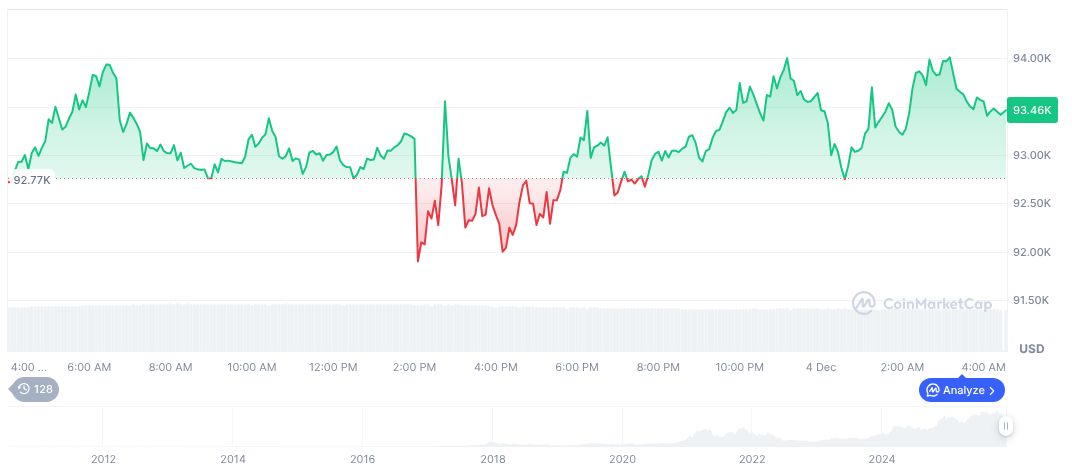
The Coincu research team suggests that a potential reduction in the TGA and adjustments in the Federal Reserve's balance sheet policies could foster more favorable liquidity conditions for cryptocurrencies. This shift in liquidity dynamics might lead to enhanced valuations for risk-on assets, including Bitcoin and Ethereum, as liquidity constraints potentially ease.