


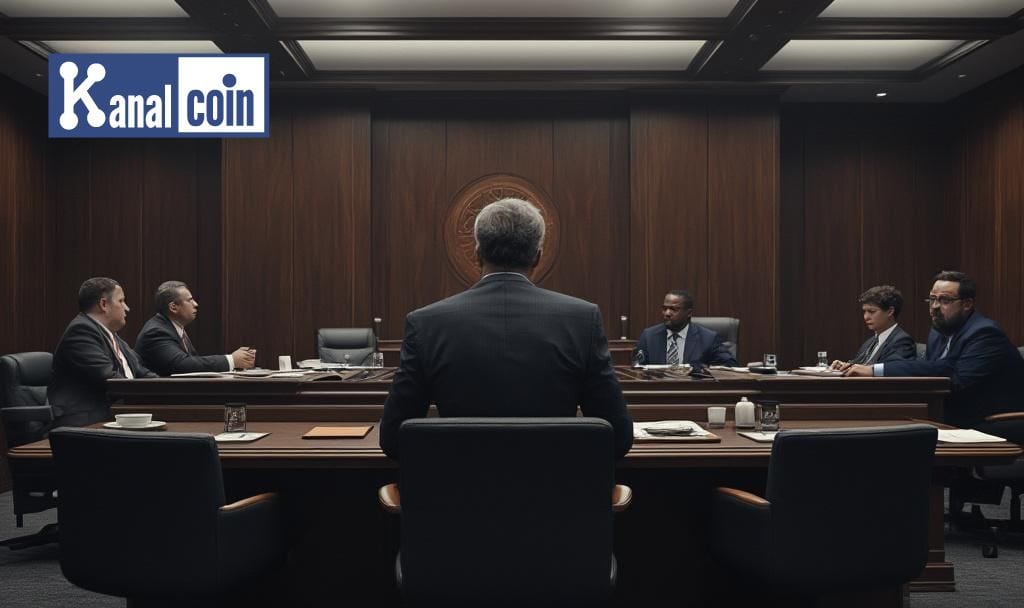
Former RWA executive Max Glass has filed a lawsuit against M^0 executives, Gregory DiPrisco and Joseph Quintilian, alleging wrongful termination and stablecoin project misappropriation. The case is currently progressing in the Delaware Chancery Court.
The lawsuit underscores governance challenges in crypto infrastructure, highlighting risks in executive agreements amid growing investment in DeFi and stablecoin projects.
M^0 Governance and Legal Dispute
DiPrisco and Quintilian, known for structured finance expertise, allegedly coerced Glass over a core stablecoin project. The legal dispute highlights an intellectual property conflict involving the core infrastructure of M^0’s stablecoin platform.
Impact on M^0's Reputational Landscape
M^0’s funding and operations remain unaffected, with stable investor interest reported. While asset flows continue stable, the lawsuit poses potential reputational risks for parties involved. Analysis of institutional behavior shows continuing confidence without on-chain disruptions.
Financial and regulatory implications remain uncertain amidst the lawsuit. Historical data show previous crypto litigation resulted in operational shifts but minimal long-term market disturbances. Observers note the need for strengthened intellectual property agreements within the industry.
Potential Protocol Impact of Stablecoin Infrastructure Dispute
Past crypto disputes, like those involving TUSD, faced governance shifts, yet seldom impacted broader market stability. This lawsuit’s focus on infrastructure role differentiates it, potentially influencing future industry protocols.
Experts from Kanalcoin suggest observing DeFi infrastructure responses to understand potential systemic impacts. Historical analysis underpins a complex landscape, highlighting robust legal frameworks as pivotal for stablecoin ecosystem resilience.