


ABA and State Groups Urge Treasury to Maintain Stablecoin Interest Ban
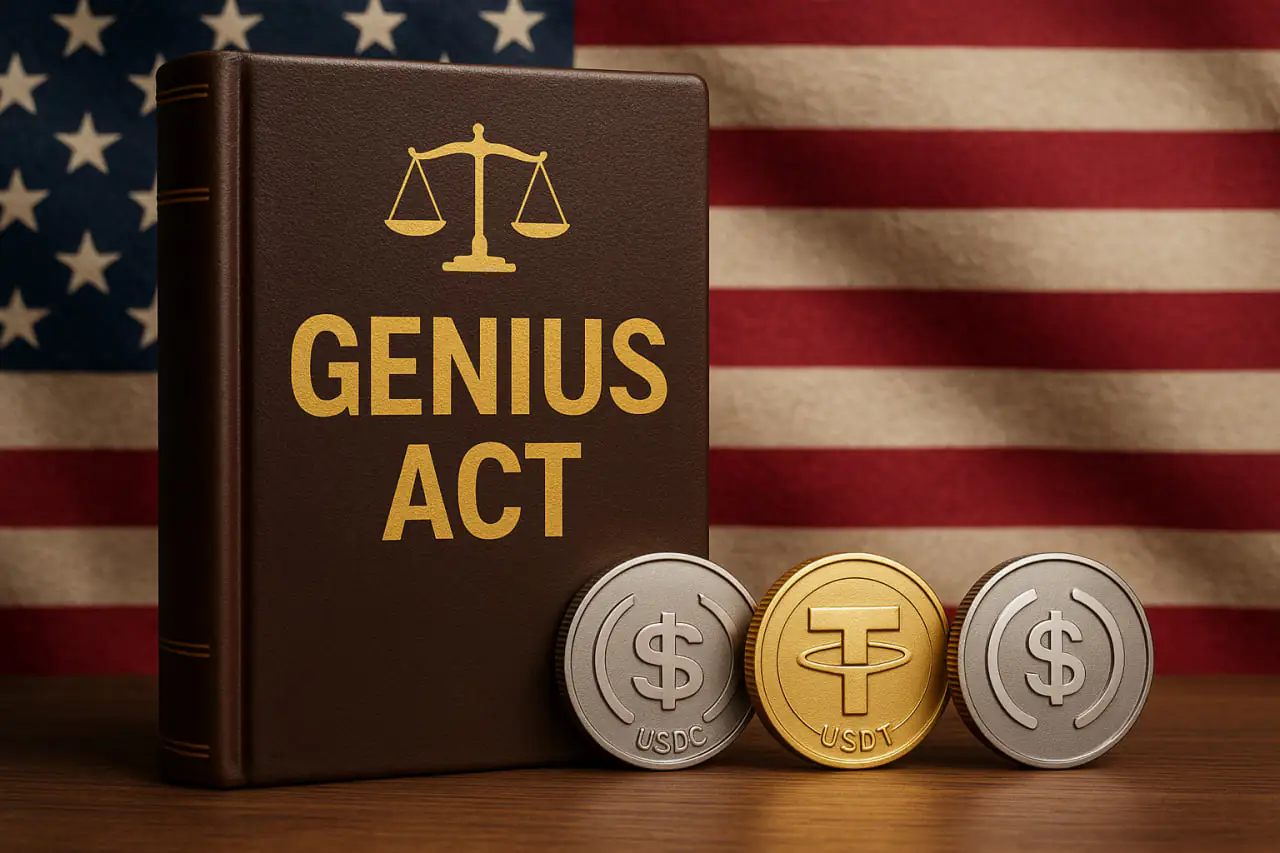
In a statement shared on X (formerly Twitter), the American Bankers Association (ABA) announced it is joining forces with state banking associations to urge the Treasury to "uphold GENIUS Act’s ban on stablecoin interest." The ABA argues that loosening this rule could destabilize the financial system, reflecting growing tension between traditional banks and crypto industry leaders over the future of dollar-backed digital assets.
Just released – ABA and 52 state banking associations urge @USTreasury to uphold GENIUS Act's ban on stablecoin interest: https://t.co/2P2jelAuAg
— American Bankers Association (@ABABankers) November 4, 2025
Coinbase Advocates for Narrower Interpretation of Stablecoin Rules
Coinbase, conversely, is pressing regulators to interpret the GENIUS Act more narrowly. The cryptocurrency exchange insists that the restriction on paying interest should apply only to stablecoin issuers, while platforms, wallet providers, or third-party services should retain the freedom to offer loyalty rewards and other incentives.
Faryar Shirzad, Coinbase's policy chief, has cautioned that overly broad regulation could "weaken America’s competitive edge" in digital finance and impede the adoption of stablecoins as a modern payment solution. Coinbase has also requested exemptions from compliance rules for blockchain developers and validators that are intended for financial institutions.
We submitted @coinbase's response to @USTreasury's request for comments on the implementation of the GENIUS Act. Our message is simple: GENIUS is landmark legislation designed to make the US the undisputed global leader in crypto and stablecoins. To make that happen, the… pic.twitter.com/XLyq15u0Ov
— Faryar Shirzad 🛡️ (@faryarshirzad) November 5, 2025
Banking Sector Raises Concerns Over Deposit Stability
The ABA's stance is echoed by the Bank Policy Institute (BPI), which has previously argued that permitting any form of stablecoin interest could lead to significant deposit outflows from the banking system, potentially exceeding $6 trillion. The BPI asserts that such programs would provide crypto firms with an unfair advantage by offering yield-bearing digital alternatives to conventional savings accounts.
The GENIUS Act, enacted in July 2025, aimed to foster trust in stablecoins through mandatory full reserve backing, annual audits, and oversight for foreign issuers. However, the law's implementation, anticipated by late 2026 or early 2027, has become a contentious issue between Washington's regulatory bodies and the rapidly growing crypto sector.
Coinbase's Additional Recommendations for Stablecoin Regulation
In addition to the interest rate debate, Coinbase has proposed that payment stablecoins be classified as "cash equivalents" for tax and accounting purposes, given their current function akin to digital dollars. The exchange has emphasized that a heavy-handed regulatory approach could push innovation offshore, causing the U.S. to fall behind regions like Europe and Asia in digital payment infrastructure development.
Coinbase's Financial Performance Bolsters Its Position
Despite ongoing policy discussions, Coinbase maintains a strong financial standing. The company reported third-quarter 2025 revenue of $1.86 billion, marking a 25% increase from the previous quarter, with net income reaching $433 million. Stablecoin-related services alone contributed $355 million, underscoring the growing significance of this segment to Coinbase's business model.
As both traditional banks and cryptocurrency firms intensify their lobbying efforts, the Treasury's ultimate decision on the GENIUS Act is poised to influence how digital dollars compete with—or coexist alongside—the traditional banking system in the coming years.