


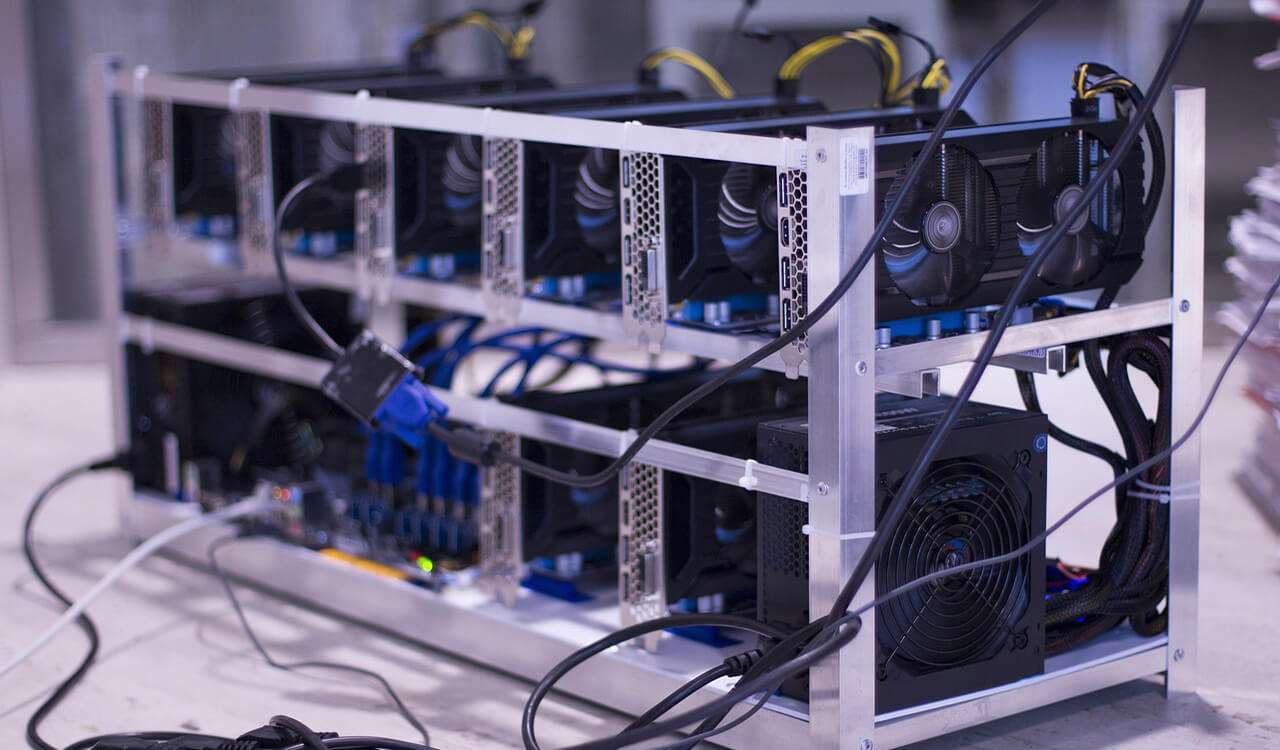
Georgia has entrenched itself as a major global cryptocurrency mining hub, with mining operations now consuming roughly 5% of the country’s total electricity.
The expansion reflects a convergence of low-cost energy, tax incentives, and a recovery in mining economics, positioning Georgia as one of the most competitive jurisdictions for crypto infrastructure relative to its size.
Cheap Hydropower Anchors Mining Economics
The foundation of Georgia’s mining appeal lies in electricity pricing. Power costs for miners are often reported between $0.03 and $0.047 per kWh, well below global averages. This pricing is enabled by a generation mix dominated by hydropower, which accounts for about 80% of domestic electricity production. The abundance of renewable capacity allows mining enterprises to operate profitably even during periods of tighter global margins, reinforcing Georgia’s role as a low-cost destination for energy-intensive workloads.
Policy Incentives Accelerate Industrial Growth
Tax and regulatory structures have amplified this cost advantage. Large mining operations located in Free Industrial Zones such as Tbilisi and Kutaisi benefit from exemptions on the 18% value-added tax applied to electricity consumption. In addition, companies operating within these zones avoid corporate and dividend taxes, while individual miners generally face a 0% tax rate on crypto ownership and gains. Together, these policies reduce fixed operating costs and encourage both domestic and foreign capital to deploy mining hardware locally.
Industrial Players and Widespread Retail Participation
The operational landscape spans both large-scale facilities and a broad base of small miners. Industrial consumption is led by AITEC Solution, which reportedly uses around 403 million kWh at its Gldani facility. Other notable participants include Texprint Corporation and infrastructure provider Bitfury. Alongside these industrial players, estimates suggest up to 200,000 individuals participate in smaller-scale mining, particularly in mountainous regions where subsidized electricity has historically been available, contributing to the sector’s diffuse footprint.
Energy Strain Prompts Regulatory Response
The rapid growth has also introduced structural pressures. Georgia has been a net electricity importer since 2017, raising concerns about energy security during peak winter demand. In response, authorities have tightened oversight following legislation passed in 2023, with enforcement actions targeting illegal mining operations that misuse subsidized household power. At the same time, some miners have begun participating in demand-response programs, temporarily reducing consumption during peak periods to help stabilize the grid and prevent localized outages.
Overall, Georgia’s mining expansion reflects a trade-off between economic opportunity and infrastructure strain. Low-cost hydropower and favorable tax treatment have driven rapid adoption, but the resulting load on the electricity system is forcing a recalibration of oversight and grid management as the sector matures.