


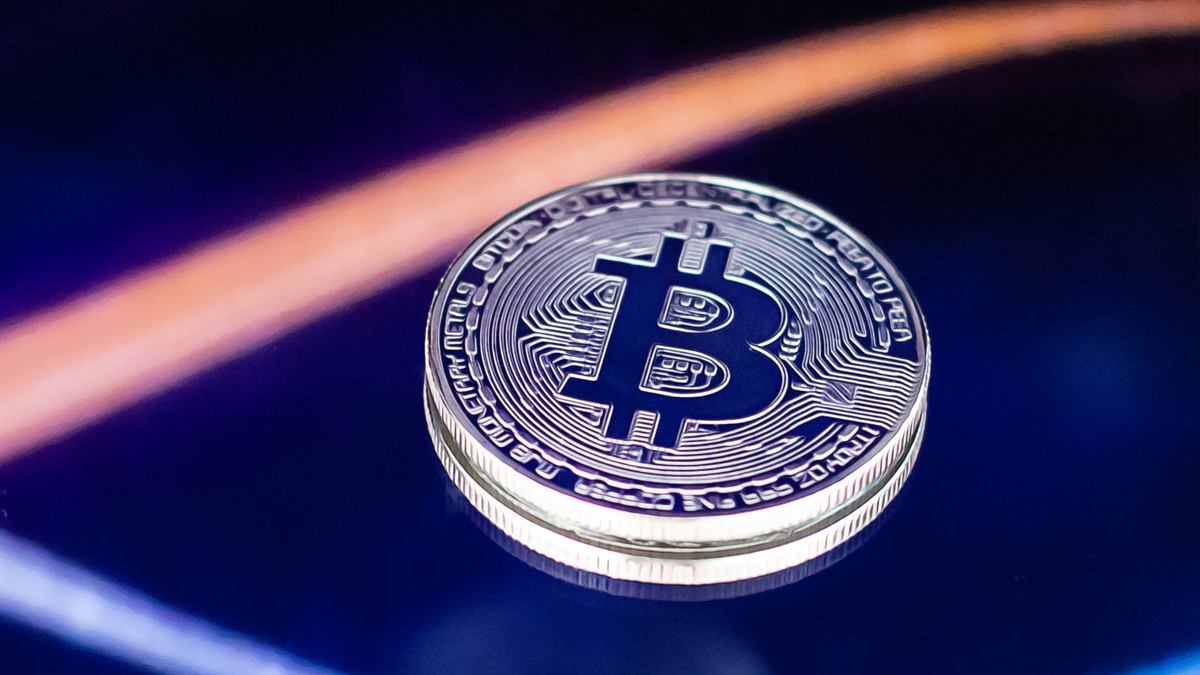
Bitcoin, the largest cryptocurrency, has experienced a nearly 20% decline over the past three months, rekindling fears of a "crypto" winter. However, a report by Glassnode and Fasanara Digital suggests that the market’s reality may not be as dire as perceived. According to the data, Bitcoin has seen a net capital inflow of over $732 billion since hitting rock bottom in 2022, surpassing the aggregate of all previous cycles.
Capital Inflows into Bitcoin and Volatility
Glassnode’s report indicates that Bitcoin’s realized market value has surged to $1.1 trillion. This metric reflects the actual capital invested in the market and typically declines during enduring downturns. Currently, an upward trend persists. The price of Bitcoin has climbed from $16,000 to a peak of $126,000 while its volatility rate has decreased from 84% to 43%. Experts claim that this drop in volatility signals a broader market transition towards deeper liquidity, increased institutional participation in ETFs, and cash-backed derivative trades.

This report highlights that increasing call overwriting strategies in Bitcoin and IBIT options also help to suppress price volatility. Historically, periods referred to as crypto winters commence with heightened volatility and dwindling liquidity, but the current cycle is witnessing the opposite scenario. Additionally, ETFs play a supportive role. Spot Bitcoin ETFs collectively hold 1.36 million BTC, representing 6.9% of the circulating supply. Moreover, fund flows indicate that 5.2% of market entry continues.
Miners, Market Cycles, and Historical Parallels
According to the report, the crypto mining sector does not exhibit classic winter signals either. CoinShares’ Bitcoin Mining ETF, WGMI, increased by over 35% during the three-month period when Bitcoin’s value depreciated. Contrary to previous cycles where miners were the first to capitulate amid falling hash prices, the scenario now appears reversed. Glassnode emphasizes that the sharp decline in American Bitcoin Corp.’s shares is not indicative of sectoral weakness but a company-specific issue.
Glassnode and Fasanara Digital perceive the downturn as merely a mid-cycle correction. History shows that similar declines occurred in 2017, 2020, and 2023, followed by a robust resurgence. The October 2025 leverage unwinding incident also fits this pattern, as open positions were swiftly closed, with spot liquidity absorbing forced sales. Currently, Bitcoin remains closer to its annual high, much nearer than any previous lows. The lack of increasing realized losses and the retention of long-term investor positions further confirms that the market is not entering a new winter phase.