



The Global System for Mobile Communications Association (GSMA) is partnering with major African telecom operators, including MTN and Vodacom, to develop a smartphone priced at $30 (approximately ₦44,000). This initiative is designed to significantly boost 4G access and internet adoption by making smartphones accessible to millions across the African continent who are currently priced out of the market.
During the Mobile World Congress held in Kigali, Rwanda, a coalition named the GSMA Handset Affordability Coalition was launched. This coalition includes prominent operators such as Airtel, Axian Telecom, Ethio Telecom, Orange, MTN, and Vodacom. Their collective goal is to develop affordable devices that adhere to basic modern internet standards.
Vivek Badrinath, the Director-General of GSMA, emphasized that smartphones are not a luxury but a fundamental necessity for inclusion in today's digital landscape. He stated, "Access to a smartphone is a lifeline to essential services, income opportunities, and participation in the digital economy."
The coalition has already established a list of minimum requirements for the ₦44,000 smartphone. These specifications cover crucial aspects like storage capacity, battery life, display size, camera quality, and 4G connectivity, ensuring the devices are both affordable and functional.
Understanding Ultra-Budget Smartphones
Typically, a smartphone in the $30 (₦44,000) price range is categorized as an ultra-budget device. These phones often feature a small 4-inch screen, limited RAM typically around 1GB, and minimal storage of 8GB or 16GB. While they can handle basic functions like calls, texts, and light web browsing, they frequently struggle with multitasking or running more demanding applications.
Users of such devices often encounter issues such as freezing with social media apps, poor image quality from cameras, and short battery life due to small battery capacities. Furthermore, these phones commonly run outdated software versions that have difficulty keeping up with modern app updates.
Consequently, these devices are adequate for basic communication but fall short of providing a comprehensive internet experience. This limitation leads many individuals in Africa with mobile network coverage to forgo smartphones, finding them either too expensive or insufficiently powerful for practical everyday use.
Examples of such limitations can be seen in ultra-budget Android devices or hybrid feature phones available on the market, such as older models of Itel A-series or TECNO Pop phones. These devices often exhibit noticeable lag when switching between applications or during video playback on platforms like YouTube.
Even seemingly simple tasks, like opening WhatsApp, checking emails, or using Google Maps, can become slow and frustrating experiences. The restricted storage capacity necessitates frequent deletion of photos, videos, or applications to make space for operating system updates.
Due to these constraints, individuals who own such phones can become disconnected from modern digital resources that require higher processing power. Essential services like web-based education, videoconferencing, online banking, and e-commerce applications either function inefficiently or are entirely inaccessible.
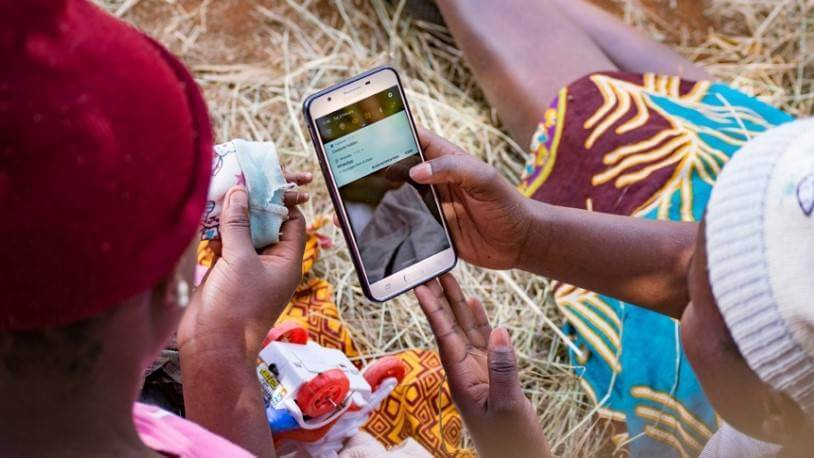
In rural and impoverished areas where these types of phones are prevalent, users often limit their mobile usage to voice calls and SMS. This significantly restricts their access to the vast opportunities the internet offers for learning, business development, and financial inclusion.
Distinguishing the GSMA Coalition's Devices
In contrast to many low-cost phones currently available, the ₦44,000 smartphone developed by the GSMA coalition aims to meet a set of shared standards applicable across multiple telecom networks. The coalition's objective is to ensure that users can browse the internet, stream content, and utilize essential applications smoothly, without the common frustrations associated with underperforming low-end devices.
These new devices will feature reliable 4G connectivity, sufficient storage for essential applications, and a robust battery designed for extended usage. These enhancements are intended to make the phones more durable and practical for daily life.
By consolidating resources to negotiate with manufacturers, establish quality benchmarks, and achieve economies of scale in production, the GSMA coalition is positioned to deliver superior, more affordable smartphones. This collaborative approach is expected to outperform individual companies attempting to develop their own inexpensive devices.
Telecom operators are also actively engaging with governments to advocate for reduced taxes on devices, which often inflate their prices. For instance, South Africa recently eliminated a 9% import tax on smartphones priced below R2,500 (approximately ₦200,000). The GSMA is encouraging other countries to adopt similar measures to make the ₦44,000 smartphones more attainable.
MTN and Vodacom have been actively pursuing affordability programs. MTN, for example, has distributed 1.2 million smartphones through financing options at R99 (around ₦8,000). Vodacom has introduced a cloud-based 4G phone, designed by Mobicel, available for R249 (approximately ₦20,000).
The overarching goal of this ₦44,000 smartphone project is to bridge Africa's digital divide by providing accessible devices. Despite widespread mobile broadband coverage, a significant portion of the African population cannot afford smartphones; the GSMA reports that over 3 billion people globally remain offline primarily due to the cost of devices.
The organization estimates that the introduction of a $30 phone could bring an additional 50 million people in Sub-Saharan Africa online. This expansion of internet access would unlock greater opportunities in education, healthcare information, mobile banking, and e-commerce – services that have become indispensable for modern living.
In Nigeria and across the broader African continent, the availability of affordable smartphones at the ₦44,000 price point has the potential to profoundly transform the lives and livelihoods of millions who are still reliant on feature phones. These internet-enabled devices would significantly broaden access to e-learning platforms, digital workspaces, remote healthcare services, and essential financial tools.