


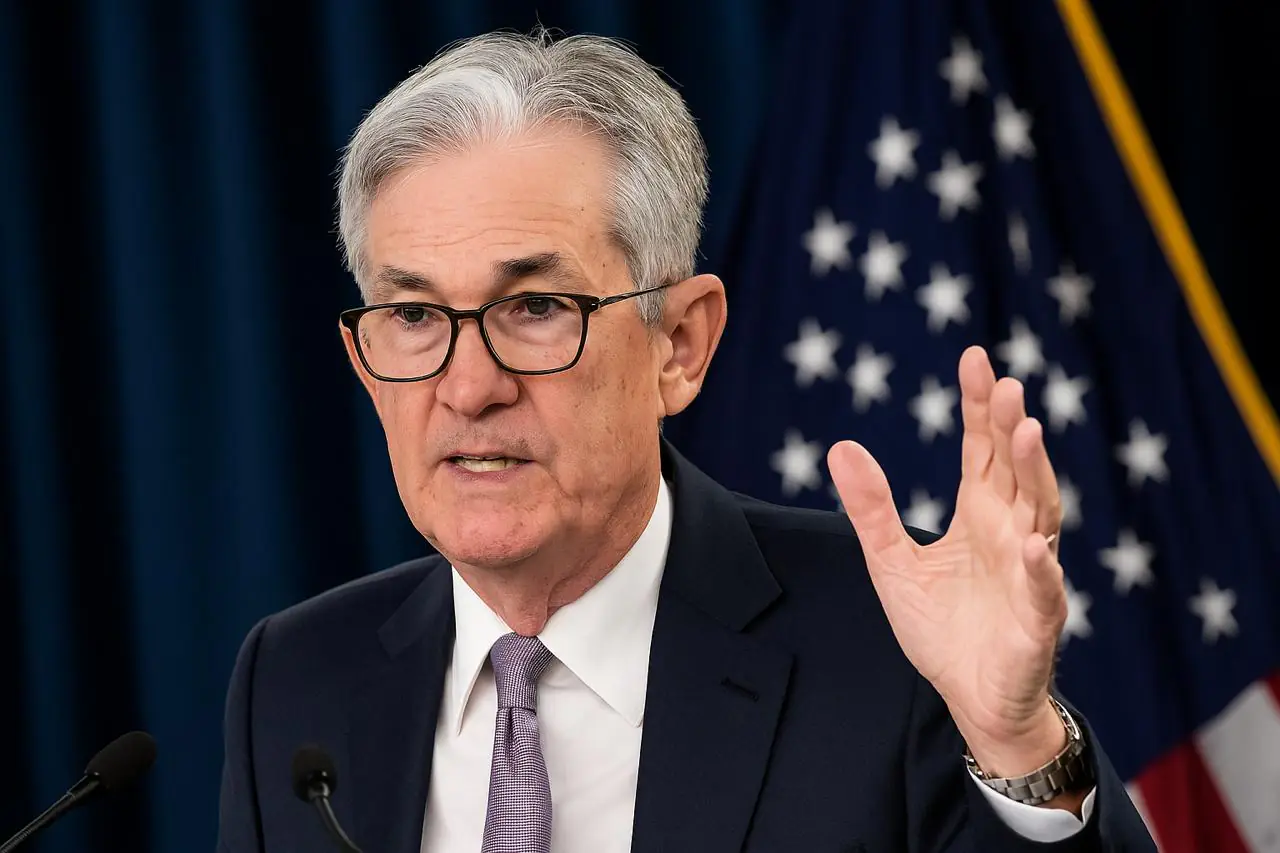
Key Developments in the Fed Chair Race
President Donald Trump has indicated that interviews for the next Federal Reserve chair are in progress, suggesting a decision has already been made regarding Jerome Powell's successor, even though Powell's term has significant time remaining. This announcement has spurred considerable speculation across prediction markets.
Kevin Hassett Emerges as Frontrunner
Following Trump's remarks, National Economic Adviser Kevin Hassett has gained significant traction in prediction markets. On the platform Polymarket, Hassett currently holds a 47% probability of becoming the next Fed chair. This places him considerably ahead of other contenders, including Christopher Waller, who has a 21% chance, and Rick Rieder and Kevin Warsh, each with approximately 11% odds.
Hassett has publicly expressed his willingness to accept the position if offered and has highlighted his prior experience within the Federal Reserve.
The Powell Succession Pathway
Jerome Powell's current term as Fed chair extends until May 2026. However, an alternative succession route involves Stephen Miran's Fed governor term expiring in January. The President could nominate a successor for this governor seat and subsequently elevate that individual to the chair position once Powell's term concludes. Sources close to the matter anticipate that Trump may pursue this more gradual, two-step approach to replacing the Fed chair.
Despite this, Powell continues to be a subject of presidential criticism. Trump has frequently faulted Powell for not initiating earlier interest rate cuts. While Trump acknowledged the Fed's recent rate cuts in September and October, he characterized them as a belated correction to "interest rate stupidity."
December Rate Decision: A Crucial Test
The unfolding leadership drama is now intertwined with monetary policy decisions. Kevin Hassett has advocated for a more aggressive approach to monetary easing, suggesting that a larger rate cut would be warranted in December, though he anticipates a more modest 25-basis-point reduction if a cut occurs.
Conversely, other Fed officials have cautioned against rapid rate reductions, citing the risk of reigniting inflation. This dynamic positions the December meeting as both a significant policy event and a focal point for political pressure.
The competition for the Fed chair position has become symbolic of a broader debate: whether the central bank should navigate the upcoming economic phase with caution or pursue a more aggressive strategy of lower borrowing costs. Kevin Hassett aligns with the latter philosophy, and current market sentiment suggests he is considered a likely future leader of the Federal Reserve.