


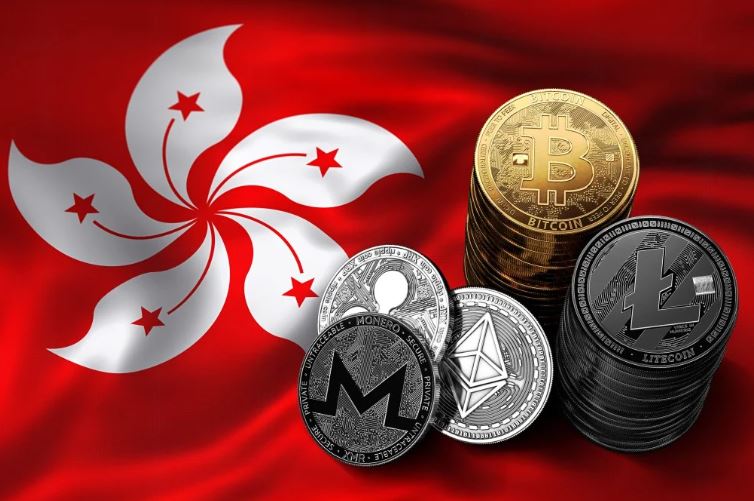
SFC Allows Licensed Crypto Exchanges to Share Global Order Books
The Hong Kong Securities and Futures Commission (SFC) will allow licensed crypto exchanges in the city to share global order books with their overseas trading platforms. This move signifies the first time local traders will be linked with broader market liquidity.
The decision, detailed in two circulars released on Monday, permits SFC-licensed exchanges to integrate their local trading books with international ones. This integration is contingent on securing prior written approval from the regulator. This measure is a key component of Hong Kong’s broader strategy to expand digital asset products and enhance market infrastructure.
SFC Chief Executive Officer Julia Leung stated in a Fintech Week speech synopsis published by the regulator, "This integration will enable local investors to tap global market liquidity efficiently with better price discovery and more competitive prices."
Previously, Hong Kong exchanges operated under a ring-fenced model, requiring trades to be pre-funded and settled domestically. The new policy represents a significant shift towards interoperability with global markets, bringing Hong Kong into closer alignment with jurisdictions like Singapore and Dubai, which already facilitate cross-border liquidity access.
Allowing global order book sharing could boost liquidity and pricing efficiency for Hong Kong’s crypto sector, though regulatory approval remains a prerequisite for each platform.
Token Rules Revised for Professional Investors
In a separate circular, the SFC announced that tokens and stablecoins licensed by the Hong Kong Monetary Authority will be exempt from the 12-month trading history requirement for professional investors. This exemption is expected to expedite the listing of new assets that meet local licensing standards, providing licensed venues with greater flexibility in their product offerings.
The regulator indicated that these changes reflect its ongoing review of the digital asset regime, which was introduced last year. The framework was designed to attract global firms while upholding standards related to investor protection, custody, and disclosure.
Balancing Oversight and Competitiveness in the Digital Asset Market
Julia Leung emphasized the need for Hong Kong to carefully calibrate its regulatory approach to prevent market share erosion to jurisdictions with less stringent regulations, while simultaneously maintaining investor confidence. She noted, "Overly strict requirements risk driving liquidity and talent to lighter-touch jurisdictions, but too little oversight could undermine trust and stability."
These updates coincide with Hong Kong's efforts to refine its digital asset policy amidst increasing global competition, particularly following a pro-crypto stance adopted by U.S. President Donald Trump's administration. Authorities are focused on maintaining the credibility of Hong Kong's regulatory environment for institutions while remaining appealing to innovators.
Currently, 20 exchanges have applied for SFC licensing, including prominent names like HashKey and OSL, which are already operating under transitional arrangements. Analysts suggest that the order book reform could lead to increased trading volumes for these venues by connecting them to international liquidity pools, while still maintaining compliance oversight.
Hong Kong’s move aligns its crypto framework more closely with global markets, signaling regulatory confidence in allowing controlled cross-border integration without compromising supervision.
Future Developments for Hong Kong's Crypto Market
The SFC's circulars represent the most significant updates to Hong Kong's digital asset policy since the licensing framework became effective last year. The regulator has stated its intention to continue engaging with the industry on matters such as custody rules, stablecoin oversight, and investor protection as trading volumes continue to grow.
For local exchanges, a key challenge will be meeting the approval standards set by the SFC while demonstrating robust systems capable of managing cross-border risks. The new regulations have the potential to attract institutional participants seeking enhanced liquidity, although compliance costs are anticipated to rise as platforms adapt to the dual-approval structure.