



The Grim Reality of Post-Hack Recovery
Immunefi CEO Mitchell Amador has issued a stark warning: nearly 80% of cryptocurrency projects that suffer major hacks never fully recover. This alarming statistic stems from critical operational and trust issues that emerge in the aftermath of a security breach, significantly hindering a project's ability to regain stability and user confidence.
The consequences of a successful hack are often profound, with delays in incident response exacerbating both financial losses and reputational damage across the entire crypto sector. The urgency for robust and well-rehearsed recovery plans cannot be overstated.
Operational and Trust Breakdowns Plague Recovery Efforts
Mitchell Amador, CEO of Immunefi, stated that many crypto projects are unable to bounce back after experiencing significant hacks. He attributes this failure to a lack of comprehensive security planning, which ultimately leads to a collapse in both operations and trust. Amador explained that "nearly 80% of crypto projects experiencing major hacks never fully recover due to operational and trust breakdowns during response." Immunefi's analysis indicates that the absence of a clear incident response strategy significantly amplifies financial losses.
Project resilience is severely tested when operations are abruptly halted, which naturally amplifies existing concerns among users and investors. Protocols often fear the long-term reputational damage, leading to hesitation in communication and action. Amador highlighted that in the absence of clear communication, panic can easily worsen the situation. Therefore, improving operational readiness and establishing clear communication protocols are essential steps for any crypto project.
The community's reaction to these breaches often emphasizes the existing security inadequacies within the industry. In various interviews, Amador has noted an ongoing effort to enhance audit and verification processes. He anticipates that by 2026, enhanced security standards will become more prevalent due to improvements in on-chain monitoring capabilities.
Mounting Crypto Losses Signal Heightened Vulnerability
Cryptocurrency projects are currently witnessing record volumes of exploits. The total losses from breaches have reached $3.4 billion, highlighting a heightened state of vulnerability that is reminiscent of the peak levels seen in 2022. This trend underscores the persistent and evolving nature of threats within the digital asset space.
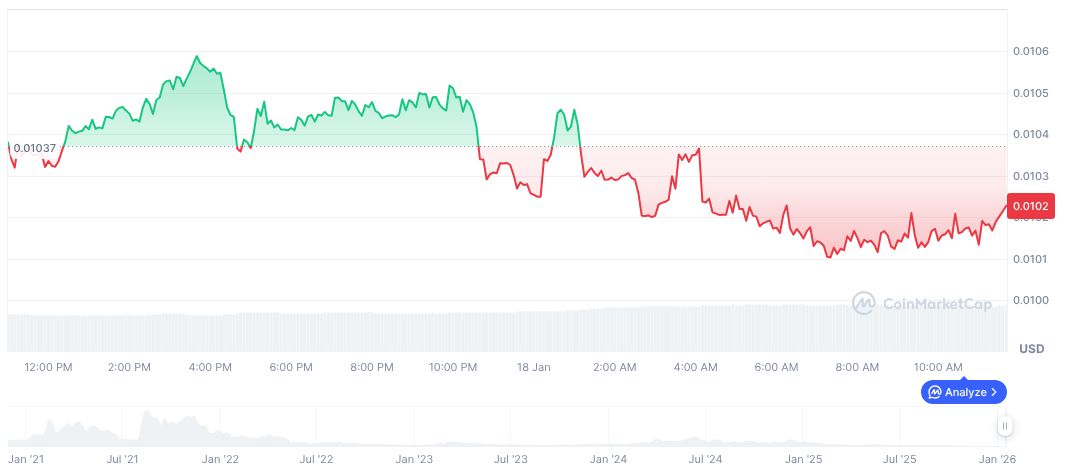
As of January 18, 2026, market data indicates that TrueFi (TRU) has a market capitalization of $14.02 million, with its current price standing at $0.01. Despite experiencing a 22.80% growth over the past 30 days, TRU's price has seen a significant decline of 53.40% over the last 90 days.
Research suggests that technological advancements could potentially reduce the frequency of hacks. Furthermore, continued regulatory vigilance is expected to aid in enforcing more robust security practices across the industry. Historical data consistently show a pattern of hack incidents, reinforcing the urgent need for stringent preventive mechanisms. Initiatives such as the Bug Bounty Court are also playing a role in helping to regulate challenges within the Decentralized Finance (DeFi) space.