


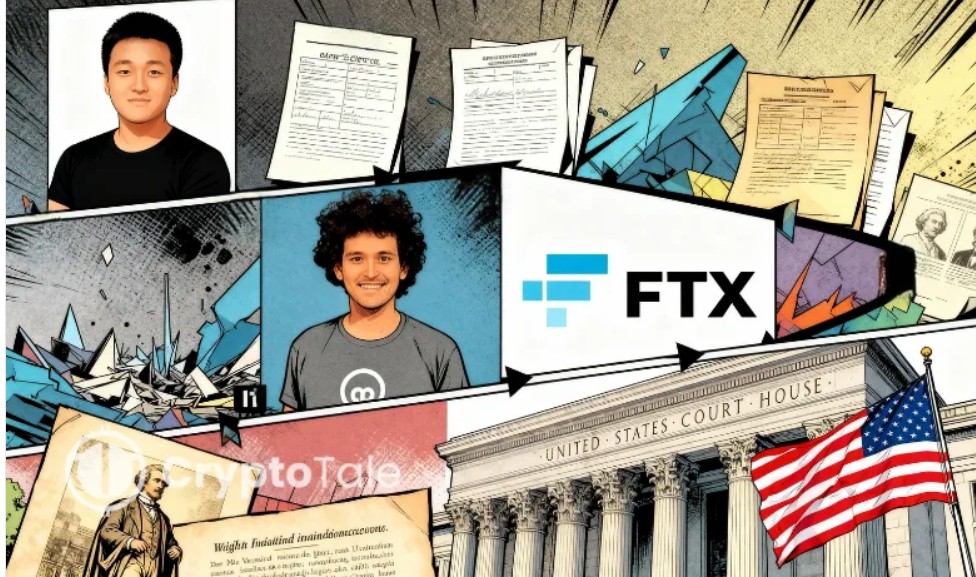
US prosecutors have asked a federal judge to impose a minimum 12-year prison sentence for Terraform Labs founder Do Kwon, characterizing his involvement in the failed Terra/Luna system as a "colossal fraud." The request highlights significant investor losses, Kwon's persistent denial of responsibility, and contested statements made during the system's collapse.
This sentencing request, filed by State Attorney Jay Clayton, intensifies the ongoing legal scrutiny of Kwon. It also arrives as global regulators grapple with the aftermath of major cryptocurrency failures, prompting lawmakers to consider unified enforcement standards.
Historical Crypto Fraud Cases
The legal proceedings against Do Kwon are set against a backdrop of significant past frauds within the cryptocurrency space, underscoring the persistent challenges in regulating the industry and protecting investors.
The Collapse of FTX
FTX founder Sam Bankman-Fried was sentenced to 25 years in prison in March 2024. This sentence followed his conviction for sweeping fraud and conspiracy charges that led to the downfall of his cryptocurrency exchange and its affiliated hedge fund, Alameda Research. The charges were initially brought in 2022, and a U.S. jury found him guilty on multiple counts, including fraud and conspiracy, in 2023.
Following the exchange's bankruptcy filing in November 2022, authorities reported that over $473 million was transferred out of FTX through what they described as an "unauthorized transfer." The collapse of FTX sent significant shockwaves through the crypto market, contributing to a plunge in Bitcoin's price by over 23%, from $20,600 to $15,900.
The OneCoin Fraud
Before the FTX scandal, OneCoin stood as one of the largest Web3 scams. Between 2014 and 2017, the scheme, led by Ruja Ignatova, known as the "Crypto Queen," defrauded hundreds of thousands of investors worldwide out of more than $4 billion.
Despite early promoters in Bulgaria presenting OneCoin as a legitimate cryptocurrency akin to Bitcoin or Ethereum, the project never developed a functional blockchain or a viable use case during its three years of operation.
The Thodex Scandal
In April 2021, the Turkish cryptocurrency exchange Thodex abruptly halted trading and withdrawals. The company initially claimed the suspension was for a few days to facilitate maintenance and partnership discussions. However, Thodex's CEO, Faruk Fatih Özer, fled Turkey, and authorities launched an investigation into the platform.
Reports indicated that over 390,000 users were unable to access their accounts. Turkish police subsequently detained numerous individuals associated with the company as part of the ongoing investigation. Interpol issued a red notice for Özer, who was eventually apprehended in Albania in 2022 and extradited to Turkey.
In 2023, a Turkish court sentenced Özer to over 11,000 years in prison, finding him guilty of charges including fraud, money laundering, and forming a criminal organization.
The Centra Tech ICO Scam
Centra Tech, a cryptocurrency startup, conducted an initial coin offering (ICO) in 2017, successfully raising over $25 million from investors. The founders allegedly fabricated executive identities, produced forged partnership documents, and misled investors regarding the product's actual capabilities.
The project gained considerable attention after being promoted by celebrities such as Floyd Mayweather and DJ Khaled, both of whom later faced penalties for failing to disclose their paid endorsements. In 2018, U.S. authorities charged Centra Tech's founders with securities fraud and wire fraud. One co-founder, Sohrab "Sam" Sharma, received an eight-year prison sentence, and millions of dollars in investor funds were seized and subsequently ordered to be returned.
Regulatory Response to Crypto Frauds
The widespread crypto fraud and the subsequent collapses have served as a significant wake-up call for regulatory bodies worldwide, prompting them to draft more comprehensive laws designed to protect investor funds. Across the globe, numerous cryptocurrency laws are being enacted with the aim of thwarting fraud and fostering innovation within the sector.