


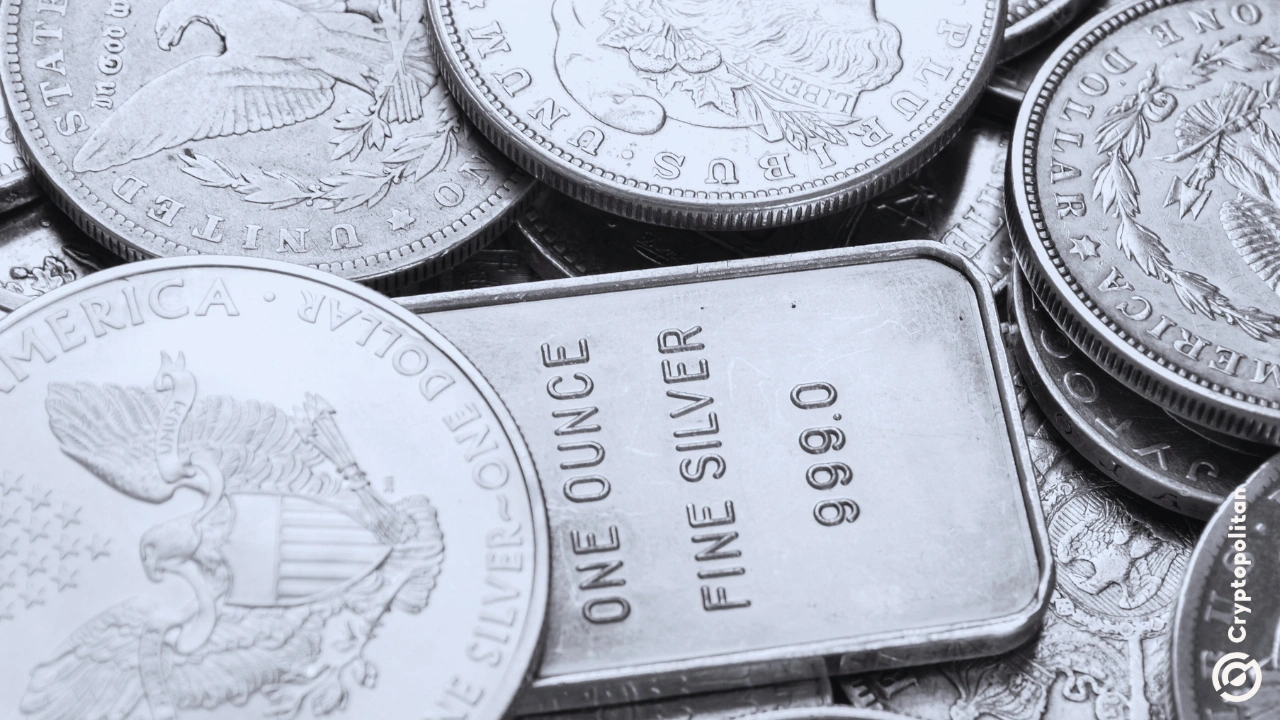
India has experienced a dramatic surge in silver imports, with the country hauling in $5.9 billion worth of silver in just four months. This represents a staggering 400% jump compared to the end of 2024 and a significant 64% increase over its 2022 record. For context, silver imports averaged approximately $1.5 billion annually between 2013 and 2019.
This surge in demand is driven by a combination of factors, including strong interest from jewelry buyers, physical bar investors, and substantial industrial consumption in sectors such as electronics and solar panel manufacturing. Historically, India has been one of the largest global buyers of silver, and this year has seen an intensified buying spree.
Nifty Metal Index Rallies as Silver Leads Charge in Indian Stocks
The robust demand for silver is also significantly impacting India's stock market. The Nifty Metal Index, which comprises companies involved in mining and metals, has achieved its best opening quarter performance since 2018. This performance has outpaced the broader Nifty 50 index, pushing the metals-to-main-index ratio to its highest point in 11 years, underscoring the strong upward momentum in metal stocks, with silver at the forefront.
Global Silver Prices and Indian Market Dynamics
On the global stage, spot silver prices climbed 5% to reach $94.41 per ounce, touching an all-time high of $94.61. Since January, silver prices have seen an increase of over 32%. Despite these record-setting prices, demand within India experienced a slowdown, with physical silver trading at a discount of ₹10,000 per kilogram.
"There is a ₹10,000 per kilo (kg) discount for bars prevailing in the physical market here," stated Surendra Mehta, the national secretary of the IBJA. His association's pricing is utilized by the Reserve Bank of India for its sovereign gold bond program.
Surendra Mehta further noted that dealers in Mumbai were offering silver at ₹292,628 per kg, although the landed cost was ₹302,628 per kg. Concurrently, MCX silver futures saw a surge of 5.5% on Monday, reaching ₹3.03 lakh per kg, according to data from Reuters.
Performance of Silver Exchange-Traded Funds and Related Equities
The Nippon India Silver ETF experienced a significant rise of 5.66%, trading at ₹284.70 per gram. This performance has driven its year-to-date returns to 32.45%, and over the past year, it has delivered an impressive 225%. In comparison, the Nifty index has declined by 2.15% so far this year and has yielded only 10.3% over the last 12 months.
Assets managed by ETF funds have expanded considerably, growing from ₹15,339.21 crore in March 2025 to ₹72,907.44 crore by the end of December 2025, as reported by Kotak Mutual Fund.
The profitability of silver is also reflected in company earnings. Hindustan Zinc, a company that commands approximately three-fourths of India's zinc market, reported a substantial 46.2% increase in its third-quarter profit. The company's profit reached ₹39.16 billion ($430.6 million), up from ₹26.78 billion in the previous year.
Revenue for Hindustan Zinc saw a 27.5% increase, while both mined and refined production grew by 4% each, marking record highs for the October to December quarter.
Broader Precious Metals Market Performance
In the broader precious metals market, gold prices increased by 1.7% to $4,672.49 per ounce, with U.S. gold futures adding 1.8% to $4,677.70. The Japanese yen and the Swiss franc also saw gains. Platinum prices rose by 1.5% to $2,362.65, and palladium increased by 1.1% to $1,819.99.