


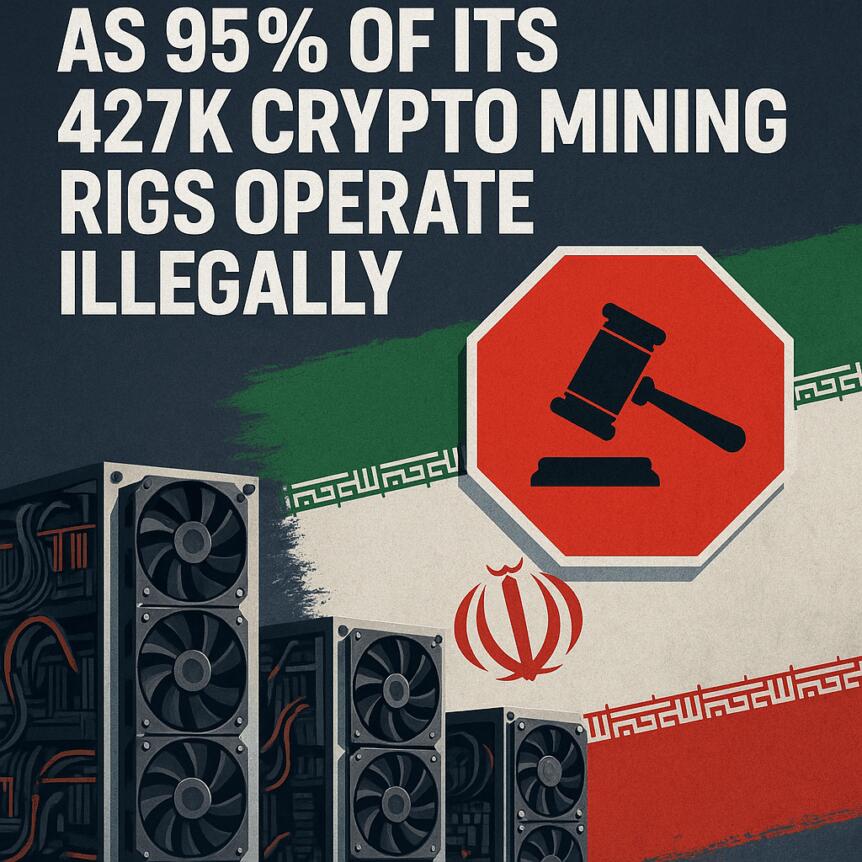
Iran's rapidly expanding cryptocurrency mining industry is facing significant hurdles as authorities intensify their efforts to combat a pervasive illegal mining crisis. Despite ongoing attempts to establish regulatory frameworks for the sector, it is estimated that a substantial 95% of the country's 427,000 active mining devices are operating without the necessary authorization. This situation presents considerable risks to the stability of the national energy supply and poses challenges to effective regulatory oversight. In response to these developments, Iran is implementing measures designed to curtail illicit operations and is actively encouraging citizens to report violations through a whistleblower program, underscoring the nation's complex endeavor to balance the growth of cryptocurrency activities with robust regulatory control.
Iran's cryptocurrency mining sector has emerged as a significant global player, positioning the country as the fourth-largest hub for cryptocurrency mining worldwide. This prominence has been largely fueled by the availability of subsidized electricity rates, which have made Iran an attractive location for miners seeking to minimize operational costs through access to inexpensive energy. However, this affordability has also inadvertently fostered a substantial underground industry. Authorities estimate that these unauthorized operations collectively consume over 1,400 megawatts of power on a daily basis, placing considerable strain on the national electricity infrastructure.
Akbar Hasan Beklou, CEO of the Tehran Province Electricity Distribution Company, pointed out that a common tactic employed by illegal miners involves disguising their operations as legitimate industrial plants in order to gain access to cheaper electricity tariffs. This clandestine activity not only jeopardizes the nation's energy stability but also complicates the enforcement of regulatory compliance within the sector.
Iran Intensifies Crackdown on Illegal Mining Operations
In a decisive move to address the escalating problem, Iranian authorities have successfully dismantled 104 illegal mining operations within Tehran Province, confiscating approximately 1,465 mining machines. These unauthorized mining farms are responsible for an electricity consumption equivalent to that of nearly 10,000 households. Law enforcement has identified key areas where these illicit activities are concentrated, including Pakdasht, Malard, Shahre Qods, and various industrial zones located in southwestern Tehran. Many of these hidden facilities are situated within underground tunnels and repurposed factories, deliberately utilizing subsidized electricity to evade detection by law enforcement agencies.
Specialized inspection teams are working in close collaboration with law enforcement agencies to dismantle these illegal operations and mitigate their detrimental impact on the national power grid. The persistent efforts undertaken by these teams demonstrate Iran's firm commitment to strengthening regulations governing the cryptocurrency mining industry amidst growing concerns over unregulated practices.
Incentivizing Citizen Participation in Reporting Illegal Miners
To bolster the effectiveness of enforcement measures, Iran has introduced a comprehensive program that offers financial incentives to citizens who report illegal mining operations. Since August, individuals who provide information leading to the identification of unauthorized mining devices are eligible to receive a reward of 1 million Iranian Toman, which translates to approximately $24 per device. This initiative is strategically designed to combat illicit activities by fostering active participation from the public in the enforcement of mining regulations.
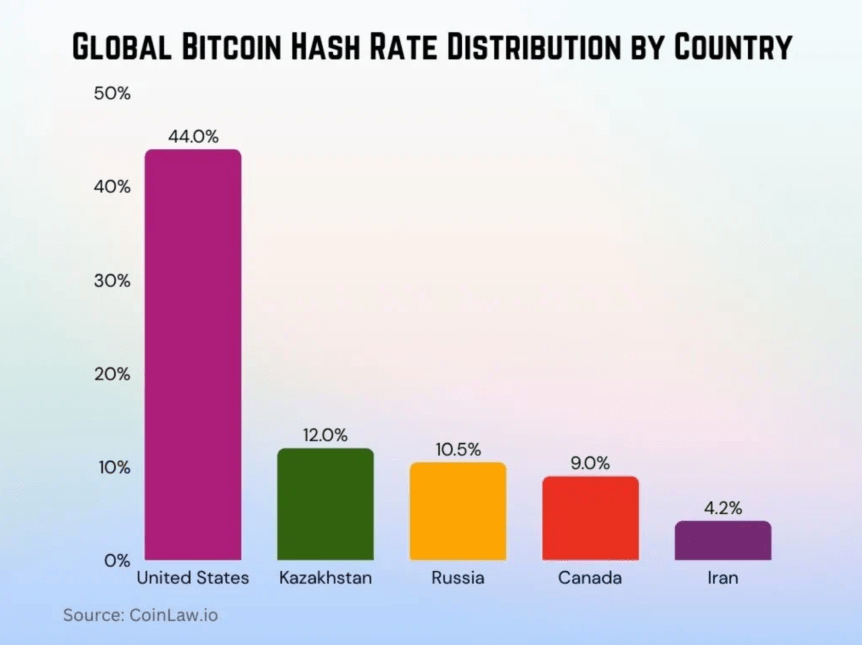
According to a report published in June by CoinLaw, Iran holds the fifth position globally in terms of Bitcoin hashrate distribution, contributing approximately 4.2% of the world's total computational power dedicated to the network. The United States continues to lead in this domain, accounting for 44% of the global hashrate, followed by Kazakhstan with 12%, Russia with 10.5%, and Canada with 9%.
As Iran continues to harness its abundant energy resources for cryptocurrency mining, these ongoing efforts highlight the persistent tension between the industry's rapid expansion and the regulatory measures put in place to prevent illegal activities and safeguard national infrastructure. The strategies adopted by the country, including incentivizing whistleblowing and cracking down on illicit mining, reflect a broader global challenge faced by regulatory authorities striving to balance the growth of the cryptocurrency market with essential security and sustainability considerations.