


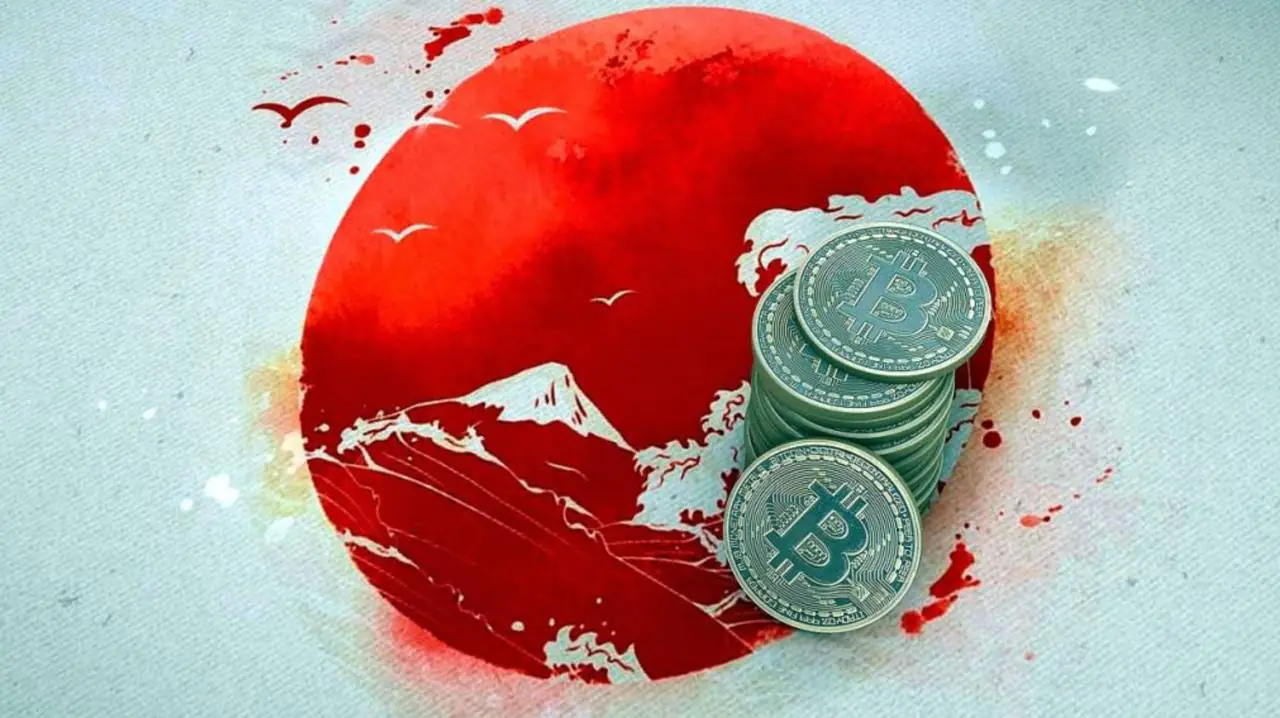
Key Developments in Japan's Crypto Regulation
Japan is preparing to classify 105 cryptocurrencies as financial products under traditional securities law. New rules will require exchanges to disclose detailed risk and technology information for every listed token. Regulators aim to curb insider trading by restricting trading based on unpublished listing details. A tax reform is being considered to reduce crypto income taxation from up to 55% to around 20%.
After years of treating digital assets as a loosely regulated category, the country’s Financial Services Agency (FSA) has decided that a large portion of the crypto sector now belongs inside the same rulebook as traditional securities.
The shift isn’t coming as a single headline change. Instead, Japan is lining up a two-part overhaul: tougher disclosure rules for exchanges and issuers, and a friendlier tax regime for everyday investors. Together, the changes represent a rare combination — tighter supervision without discouraging participation.
A New Playbook For Listed Tokens
Rather than leaving transparency requirements up to each exchange, Japan plans to formalize them under the Financial Instruments and Exchange Act. Around 105 crypto assets — including the market’s biggest names — would be treated similarly to financial products like ETFs or derivatives.
The result? Any platform offering these tokens would need to make clear what buyers are actually dealing with. Details such as whether the asset has an identifiable issuer, how its blockchain operates, and the level of price instability would be mandatory public information. In other words, crypto listings would start to resemble how companies disclose risks before going public.
Insider Trading in Japan’s Crosshairs
Another sensitive issue is being addressed head-on: the long-criticized practice of trading on undisclosed listing information. According to the proposal, insiders — from project founders to executives at exchanges — could face explicit restrictions on trading crypto assets when aware of market-moving information that has not yet been released.
These combined policy changes are expected to be bundled into amendments that lawmakers will review during the ordinary Diet session in 2026.
Taxation – The Part Invest Care About
If the regulatory tightening sounds heavy-handed, the fiscal side tells a different story. Japan’s current tax rate on crypto gains can climb as high as 55%, a number that pushes many traders toward offshore platforms. The government now wants to lower the rate to roughly 20%, placing digital-asset earnings on par with stock market profits. A decision on the reform is expected during the next fiscal-year negotiations.
A decade ago, Japan became synonymous with caution after the Mt. Gox collapse shook the global industry. Today, the same country is trying to present itself as a reliable home for Web3 development and regulated digital finance. Banks are exploring whether they should trade crypto just as they do equities and sovereign bonds, and the first domestic yen-backed stablecoin, JPYC, went live in late October — a sign that Web3 infrastructure isn’t just being welcomed, but built locally.
Japan isn’t making crypto risk disappear. Instead, it’s signaling that the sector has matured enough to be managed rather than avoided. The message behind the reforms is hard to miss: digital assets aren’t being pushed out of the financial system — they’re being invited in, but on Japan’s terms.