


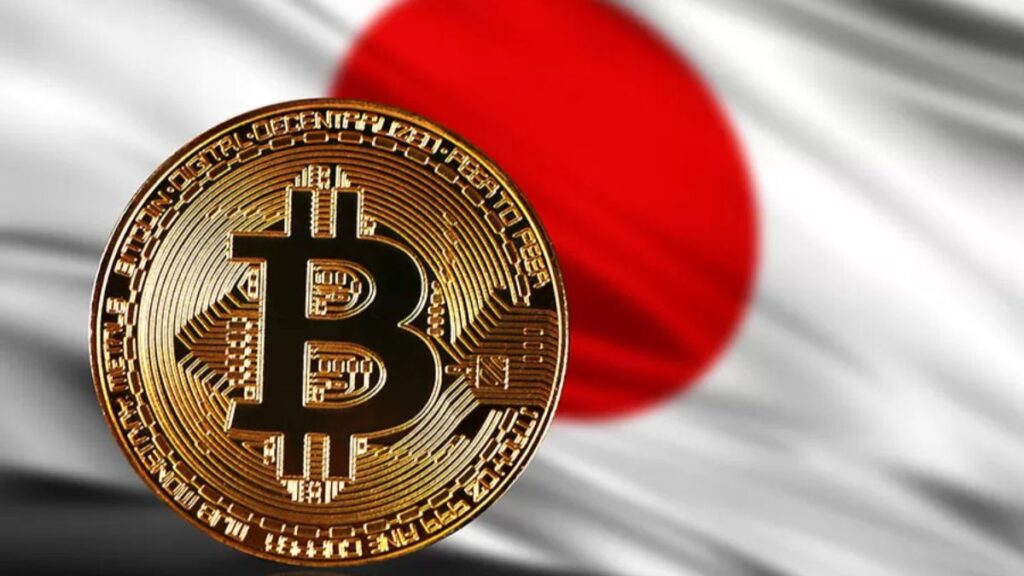
Japan has confirmed plans to implement a flat 20% tax on cryptocurrency gains. This move has raised concerns among investors who view it as an unnecessary burden on a rapidly growing sector. Analysts warn that the policy could encourage traders to shift to offshore platforms, potentially diminishing Japan's competitiveness in the digital asset space. Critics argue that such measures risk stifling innovation by enforcing a highly interventionist approach to digital assets.
The reform places crypto gains into a separate tax category. However, investors are questioning why digital assets must remain under strict fiscal supervision if Japan aims to position itself as a technology-forward economy. Authorities intend to allocate 15% of the tax revenue to the national government and 5% to regional administrations, thereby maintaining significant control over revenue flows. Traders have noted that such measures tend to discourage active participation, reduce market liquidity, and increase the risk of users migrating to more flexible global markets.
Despite these fiscal constraints, local cryptocurrency exchanges report approximately eight million active accounts and a spot trading volume exceeding 1.5 trillion yen during September. Nevertheless, surveys indicate a growing proportion of younger investors are exploring peer-to-peer platforms, offshore exchanges, and self-custody solutions to circumvent tightening domestic oversight. Many in the community perceive taxation as a significant barrier rather than a facilitator of broader adoption.
Industry Responds to Heavy Regulation by Seeking Alternatives
Major asset management firms, including Nomura, Daiwa, and Mitsubishi UFJ, are actively exploring new product structures linked to Bitcoin and Ethereum. However, these institutions privately express reservations about operating under restrictive tax and reporting regulations. Global X Japan is also reviewing fund designs but acknowledges that a considerable number of investors prefer direct exposure to digital assets without the involvement of intermediaries, custodians, or state-monitored frameworks.

Concurrently, Japan is reinforcing its regulatory framework by classifying cryptocurrencies as financial products subject to insider-trading rules. The Financial Services Agency is expanding its oversight to cover 105 listed cryptocurrencies, introducing additional compliance layers that industry representatives argue are incompatible with the open and borderless nature of decentralized networks. Observers caution that while Japan's strategy may offer clarity on paper, it risks impeding practical growth.
Japan's efforts to formalize its approach to digital assets are underway. However, critics contend that the imposition of new taxes and the expansion of regulatory oversight undermine the inherent technological and economic potential of cryptocurrencies.