


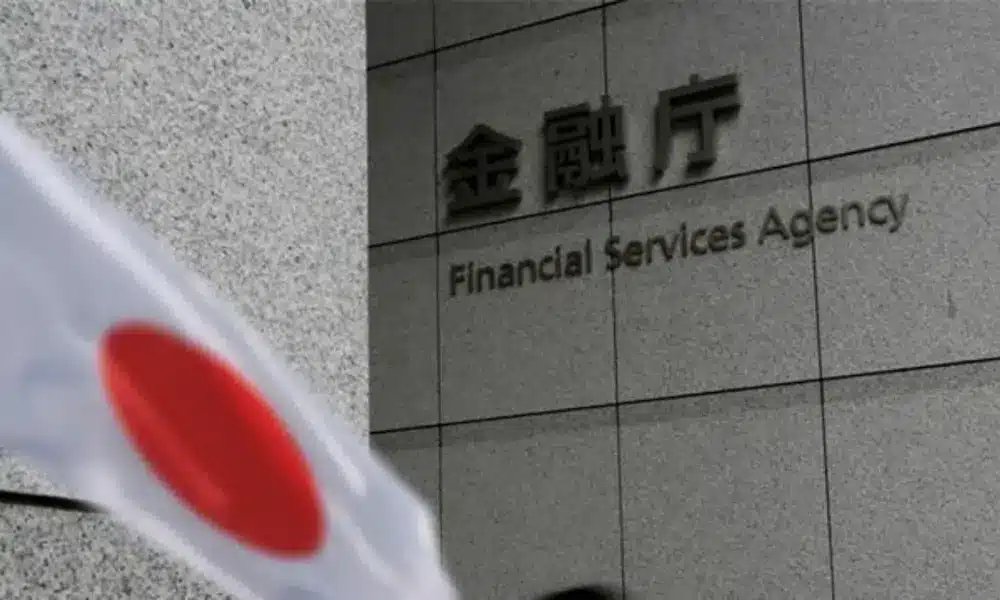
Japan's Financial Services Agency (FSA) is set to introduce new regulations aimed at improving protections for investors in the country's growing cryptocurrency sector. The FSA is planning to require local crypto exchanges to maintain reserves against potential liabilities. This measure is designed to ensure compensation in case of losses arising from hacks or other security breaches.
Currently, Japan's crypto exchanges are mandated to store user deposits in cold wallets, offering some protection. However, there are no legal requirements for exchanges to maintain reserves for liabilities in the event of a breach or financial loss. This upcoming legislation will require exchanges to establish such reserves, providing an extra layer of security for investors.
The FSA is expected to submit the bill to parliament next year. In addition to this, the agency is preparing another proposal for the 2026 Diet session that will require third-party crypto custodians and trading partners to register with authorities before offering services in Japan.
The need for stricter regulations gained urgency after the hacking incident involving the local exchange DMM Bitcoin. The hack, which occurred in 2024, resulted in losses of approximately ¥40 billion ($312 million). Investigations revealed that the breach occurred through Tokyo-based software firm Ginco, which had been outsourcing DMM’s trading management.
FSA’s Efforts to Modernize Cryptocurrency Regulations
The FSA’s move comes as part of a broader initiative to regulate the crypto industry more comprehensively. This includes plans to reclassify cryptocurrencies under the Financial Instruments and Exchange Act, rather than the Payment Services Act. The goal is to treat cryptocurrencies more like regulated financial products, aligning them with stocks and bonds.
Additionally, the FSA is looking to reduce the tax burden on digital asset gains. The agency aims to lower the tax rate to a flat 20%, bringing it in line with the tax treatment for traditional investments. This reform is expected to foster a more favorable environment for both local and international crypto firms.
Japan is also making strides in stablecoins. Regulators are supporting a joint project to create a yen-backed stablecoin in collaboration with three major banks. This initiative highlights Japan’s long-term strategy to integrate stablecoins into its financial infrastructure.
Japan’s Expanding Crypto Ecosystem: Traditional Financial Institutions Enter the Market
In response to these regulatory shifts, major financial players in Japan are also pivoting toward the digital asset space. According to recent reports, six of Japan’s largest wealth managers, including Mitsubishi UFJ Asset Management and Daiwa Asset Management, are planning to launch the country’s first crypto-based investment trusts. This signals the growing interest from traditional financial institutions in digital assets, as they seek to capitalize on the evolving crypto market.
These efforts reflect Japan’s broader push to integrate cryptocurrency into its mainstream financial ecosystem, further solidifying its position as a global hub for digital asset innovation. As the regulatory framework continues to evolve, Japan is positioning itself as a leader in providing clear, stable, and secure conditions for the future of cryptocurrency investment.