


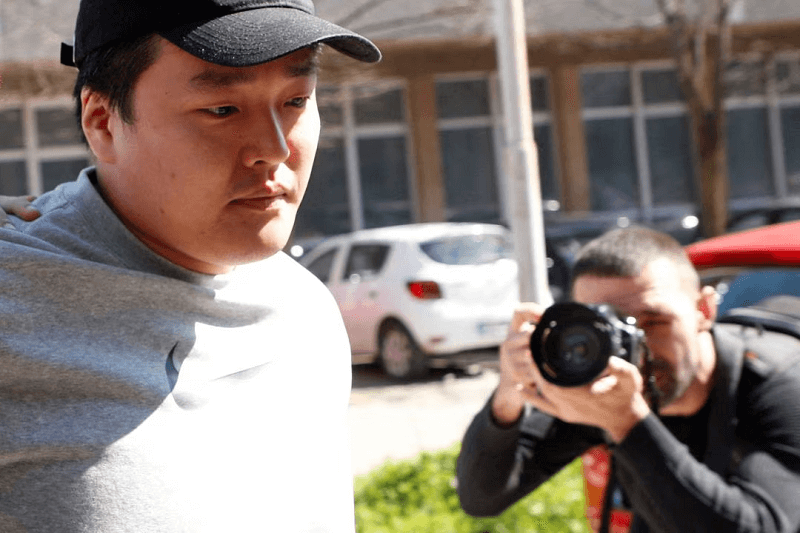
Do Kwon is scheduled to be sentenced on Thursday in New York after pleading guilty to two felony counts, but the presiding judge is pressing prosecutors and defense attorneys for clarity on what awaits him in South Korea. In a filing on Monday, US District Judge Paul Engelmayer asked both sides to spell out the charges, as well as the “maximum and minimum sentences” Kwon could face if extradited to his home country. Kwon pleaded guilty in August to wire fraud and conspiracy to defraud. The charges stem from his role in the 2022 collapse of Terraform Labs, whose stablecoin and token wipeout triggered a broader market downturn and heavy losses across the crypto sector. He is expected to serve his US sentence first, but Engelmayer’s questions show that the court wants a full picture of the parallel criminal exposure in South Korea. The judge also asked whether both sides agreed that “none of Mr. Kwon’s time in custody in Montenegro” should be credited toward any US prison term. Kwon served four months there for using falsified travel documents and spent more than a year fighting extradition before being transferred to US custody.
Investor Takeaway
Kwon’s case is one of the few major crypto prosecutions with multijurisdictional stakes. The judge’s questions show that sentencing could be shaped not only by US charges but by how South Korea plans to prosecute him next.
Could South Korea Release Kwon Early?
Engelmayer highlighted a concern that if the US allows Kwon to serve the “back half of his sentence” in South Korea, the country could release him earlier than expected. Prosecutors and defense attorneys are now required to detail how South Korea handles similar cases, whether early release is possible and how time served would be calculated there. Kwon’s lawyers said that even if Engelmayer imposed a sentence equal to time served, Kwon would “immediately reenter pretrial detention pending his criminal charges in South Korea.” They said he could face up to 40 years in prison if convicted there. South Korean authorities issued an arrest warrant for him in 2022 but have not had him in custody since the Terraform collapse. Prosecutors and regulators in Seoul have pursued parallel cases against individuals linked to Terraform, and officials have openly stated that Kwon’s return remains a priority. If extradited after his US term, he would likely face a process far longer and more restrictive than the one in Montenegro.
How Does His Time in Montenegro Factor Into the Case?
Kwon’s four-month detention in Montenegro looms over the sentencing debate. He was arrested there in 2023 after attempting to travel with falsified documents. Montenegro held him in custody while fighting off competing extradition requests from both South Korea and the United States. Judge Engelmayer asked explicitly whether there is agreement that the Montenegro detention should not reduce any US sentence. The question suggests the court wants to avoid scenarios where Kwon receives sentence credit from multiple jurisdictions for the same period of custody. US prosecutors have asked for at least 12 years in prison. Defense attorneys are pushing for no more than five. In their sentencing note, prosecutors wrote that Kwon “caused losses that eclipsed those caused” by Sam Bankman-Fried, Alex Mashinsky and Karl Sebastian Greenwood combined — three figures who together represent some of the largest fraud cases in recent crypto history.
Investor Takeaway
The government is comparing Kwon’s losses to those of FTX, Celsius and OneCoin combined — a framing that could weigh heavily in sentencing and set a reference point for future crypto fraud cases.
What Happens After Thursday’s Hearing?
Thursday’s hearing may be the first step in a longer process. Even after receiving his US sentence, Kwon could spend years in custody as South Korea pursues its own charges. His lawyers have told the court that he would likely be detained immediately upon arrival in Seoul. Kwon disappeared after Terra’s collapse in 2022, surfacing only when Montenegro police detained him in 2023. South Korea, the US and other jurisdictions have continued investigating Terraform-linked losses, which contributed to bankruptcies across the crypto industry and billions in wiped-out value for retail and institutional holders. Engelmayer’s decision on Thursday will not close the matter. Instead, it will frame the order in which Kwon faces accountability across multiple legal systems — a rare scenario even in high-profile financial cases.