



Kash Dhanda, COO of Jupiter Exchange, has acknowledged inaccuracies in previous risk claims pertaining to Jupiter Lend. This admission follows Kamino Finance's decision to block Jupiter Lend's migration tool due to concerns over rehypothecation on the Solana network. The situation has brought to light potential trust issues within the decentralized finance (DeFi) space, impacting Solana's ecosystem and initiating discussions on risk management and transparency, although immediate financial metrics have not been affected.
Jupiter Exchange Under Scrutiny for Risk Disclosures
Kash Dhanda, COO of Jupiter Exchange, recently admitted that the prior assertions of "zero contagion risk" associated with Jupiter Lend's vaults were inaccurate. Dhanda stated, "In hindsight, we should have issued a correction right when we deleted it." This confession comes after the removal of social media posts that had initially promoted this claim. Jupiter Exchange is now working to rectify past communication errors to rebuild trust within its community. While the vaults are confirmed to be risk-isolated, the exchange acknowledges existing risks stemming from re-mortgaged assets.
The co-founder of Kamino Finance voiced criticism regarding these statements and subsequently blocked Jupiter Lend’s migration tool, citing misleading risk models. This action reflects a broader skepticism within the market concerning the project's risk management strategies.
Kamino Blocks Jupiter’s Tool: DeFi Protocols Self-Regulate
Kamino Finance's decision to block Jupiter Lend's migration tool establishes a significant precedent within DeFi, showcasing protocols actively policing each other's risk communication and management practices. This move highlights a trend towards self-regulation within the decentralized finance sector.
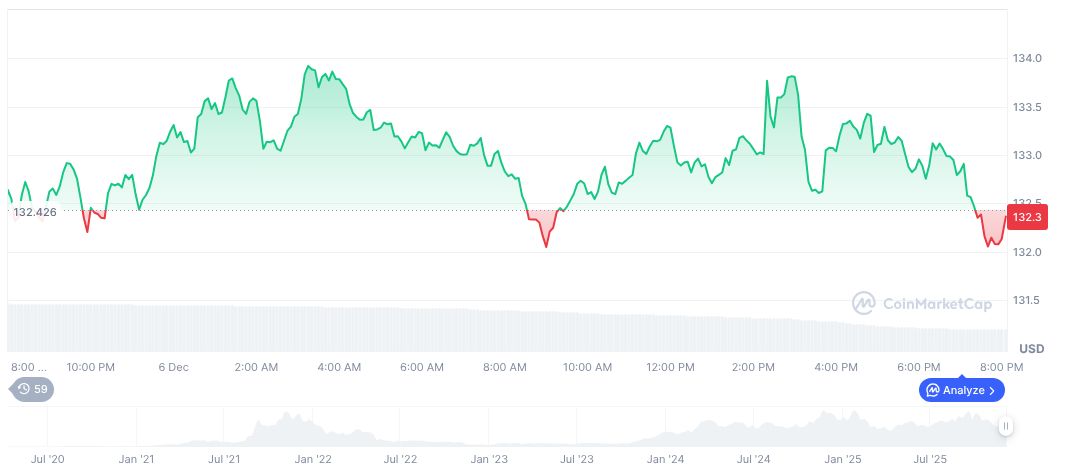
According to CoinMarketCap, Solana's (SOL) current price is $135.37, with a market capitalization of $75.89 billion. Recent market performance indicates a 24-hour increase of 2.29%, contrasted by a 37.19% decline over the past 90 days, illustrating considerable market volatility.
Experts from Coincu suggest that the miscommunication surrounding contagion risk could lead to increased regulatory scrutiny within the DeFi sector. This incident may influence future technological transparency and risk assessments across similar platforms.