


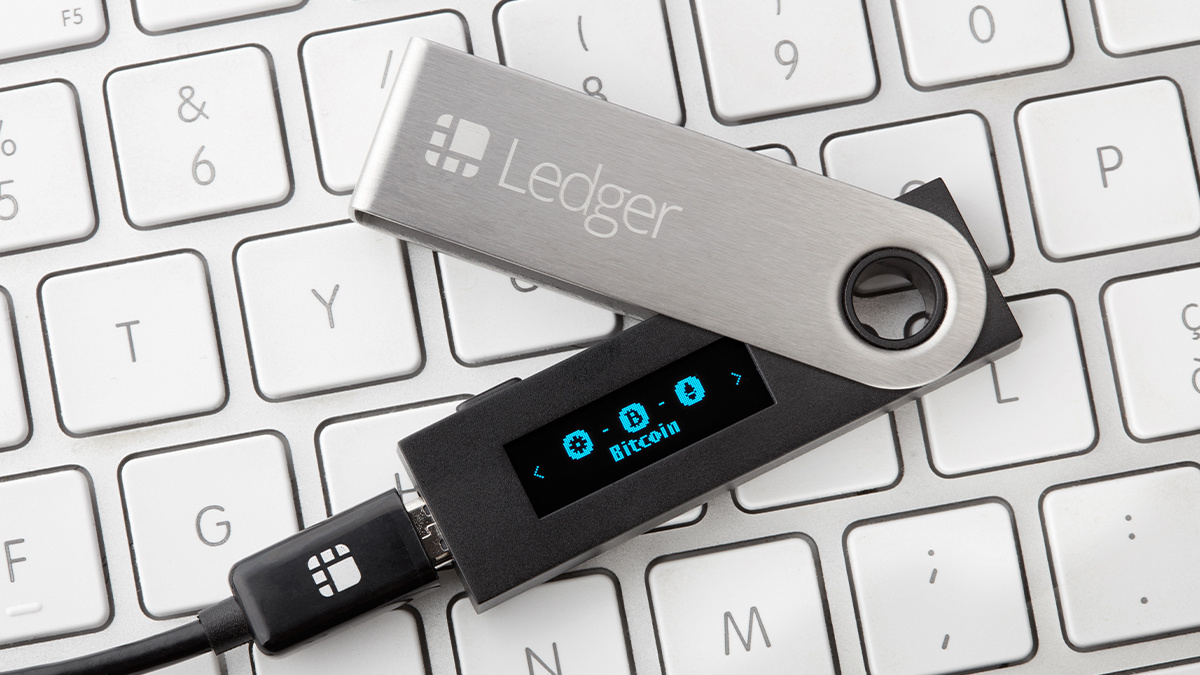
Hardware wallet giant Ledger is planning to raise new capital in 2026 following a year of record-breaking revenue, according to a report from the Financial Times. The Paris-based crypto security firm has seen surging global demand for self-custody devices, propelling it to what CEO Pascal Gauthier described as the company’s strongest financial performance to date.
Revenues have reportedly hit triple-digit millions in 2025, driven by renewed interest in hardware wallets amid increased regulatory scrutiny and a growing focus on asset security. The company expects further momentum as it heads into the Black Friday and holiday shopping season, traditionally its busiest sales period.
New York Listing or Private Round Under Consideration
Ledger’s next strategic move could involve a public listing in New York or a private funding round, Gauthier told the Financial Times. The firm is actively expanding its presence in the U.S., positioning itself closer to what Gauthier calls “the financial center of crypto capital.”
“Me spending more time in New York is with the understanding that money is in New York today for crypto, it’s nowhere else in the world, it’s certainly not in Europe,” Gauthier said.
The shift highlights a broader trend among European crypto firms gravitating toward the U.S. market, where institutional participation, regulatory frameworks, and capital availability remain significantly higher.
Crypto Security Boom Strengthens Ledger’s Market Lead
Ledger’s strong performance underscores the rising importance of crypto security infrastructure following a volatile period for centralized exchanges and custodial platforms. As users increasingly prioritize control over private keys, hardware wallets have re-emerged as a core pillar of the self-custody movement.
With over 6 million devices sold globally, Ledger continues to dominate the hardware wallet sector, competing with brands like Trezor and Blockstream Jade. The company’s upcoming fundraising round could further accelerate product development and global expansion, particularly in the U.S., where adoption rates remain high among both retail and institutional investors.