


Developers Question New Pricing Model
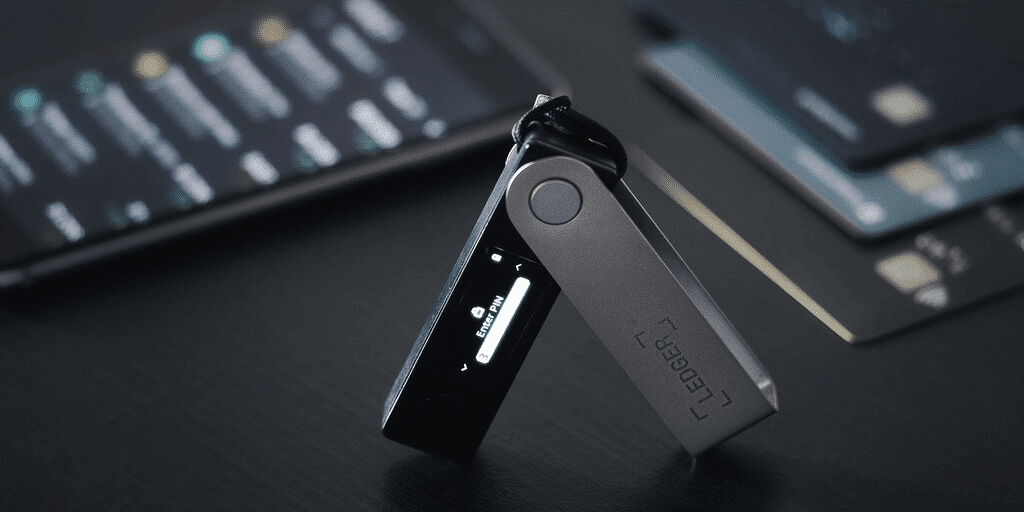
Ledger, the French crypto hardware wallet maker, unveiled a new multisignature interface that has been praised for its technical performance but criticized for introducing a transaction fee model that many users described as unnecessary and opaque. The Ledger Multisig application will apply a flat $10 fee for all transactions except token transfers, which carry a 0.05% fee. These charges are in addition to regular blockchain gas fees paid to network validators. The company said the new pricing reflects maintenance and service costs for the multisig architecture. The rollout drew sharp criticism from parts of the developer community. Ethereum developer pcaversaccio wrote on X: “You parade as Cypherpunk while trying to make Ledger Wallet the single choke point for all crypto so you can squeeze everyone through it (guys, this won’t happen).”
Investor Takeaway
Ledger’s fee changes highlight a growing divide between commercial wallet providers and open-source developers pushing for fee-free, decentralized custody tools.
Confusion Over Messaging and Pricing
The controversy deepened after users noticed inconsistencies between comments made by Ledger CTO Charles Guillemet and the company’s own documentation. Guillemet initially suggested that Multisig was a free service, while internal materials referred to paid tiers. He later clarified that labeling it as free had been a typo. Some critics said the mixed messaging reflected broader confusion about Ledger’s product roadmap. Others noted the tension between Guillemet’s frequent statements on “clear signing” — ensuring users verify every transaction detail — and the decision to attach recurring fees to the very functions designed to secure those transactions. Ledger has not published detailed revenue projections from the new fee structure but has positioned the service as a professional-grade product for users managing large sums or institutional accounts.
Market Reach and Security Track Record
Ledger remains the market leader among hardware wallet providers, having sold more than 7.5 million devices globally over the past decade. The company claims its wallets protect roughly 20% of all crypto assets by value in circulation. Its main competitor, Czech firm Trezor, recently introduced its own 2025 lineup focused on firmware-level security and seed recovery tools. Ledger promotes its products as essential for self-custody, a cornerstone of the crypto ethos that encourages users to hold their private keys rather than rely on exchanges. The company says no Ledger device has ever been hacked in the field. Still, cybersecurity analysts at Kaspersky warn that users remain vulnerable to phishing and social engineering scams, which often trick them into exposing recovery phrases or signing malicious transactions. Despite the criticism, Ledger’s user base has continued to grow amid renewed interest in self-custody following exchange failures and regulatory uncertainty. Analysts say the fee backlash is unlikely to dent sales in the short term but could steer some advanced users toward open-source alternatives that do not charge per transaction.
Investor Takeaway
Ledger’s scale gives it staying power, but friction over pricing could push developers and institutional clients to demand more transparent, open models for secure custody.
Outlook for Hardware Wallet Competition
The debate around Ledger’s Multisig rollout comes as the hardware wallet industry faces renewed scrutiny and competitive pressure. Rival manufacturers are marketing simpler, lower-cost devices aimed at retail users while Ledger expands into enterprise and DeFi applications. Industry observers expect more wallet firms to introduce service-based fees as they shift from one-time device sales to ongoing platform models. For now, Ledger’s pricing decision underscores the trade-off between commercial infrastructure and the decentralized ideals many crypto users still hold.