


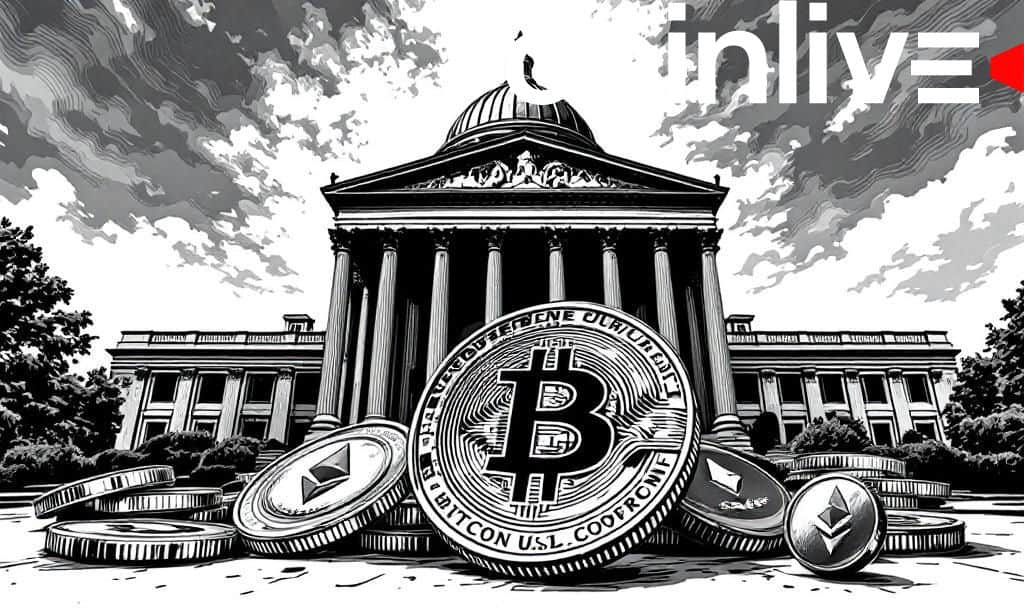
The U.S. government shutdown, lasting 36 days, exacerbates liquidity pressures across traditional and crypto markets, creating volatility in assets like Bitcoin and Ethereum.
Market risks rise as regulatory bodies remain dormant, impacted by legislative impasses hindering economic stability and spurring defensive market behavior.
Government Shutdown's Impact on Financial Markets
The U.S. government shutdown continues for 36 days, impacting both traditional and crypto markets alike. The prolonged shutdown exerts liquidity pressures particularly on Bitcoin and Ethereum, leading to heightened market volatility.
The legislative stalemate arises from disagreements between Congress and the Presidential Administration regarding healthcare tax credits. This impasse results in increased market risk as critical financial regulators remain non-operational.
Asset Volatility and Economic Implications
Immediate effects include heightened volatility in assets like Bitcoin, which fell from $114,000 to around $107,000. The dollar index surge compounds this, creating a strong-dollar environment unfavorable for crypto assets.
The shutdown's financial implications are significant, with the Congressional Budget Office predicting a 1–2% hit on the annualized U.S. GDP. "The shutdown could reduce Q4 2025 U.S. annualized GDP by 1–2%, erasing up to $14 billion in output."
The shutdown could reduce Q4 2025 U.S. annualized GDP by 1–2%, erasing up to $14 billion in output.
There is concern over market vulnerabilities stemming from unregulated conditions.
Market Stress and Future Outlook
The ongoing situation underscores the need for prudent financial management amidst growing market uncertainties. Extensive liquidity constraints coupled with a non-functioning regulatory regime place major cryptos under considerable stress during this historical precedent.
Given historical trends, regulatory paralysis could further amplify market disturbances. Notable financial analysts observe that changes in liquidity alongside high hash rates are pressuring miners, necessitating defensive market repositioning and asset sales.