


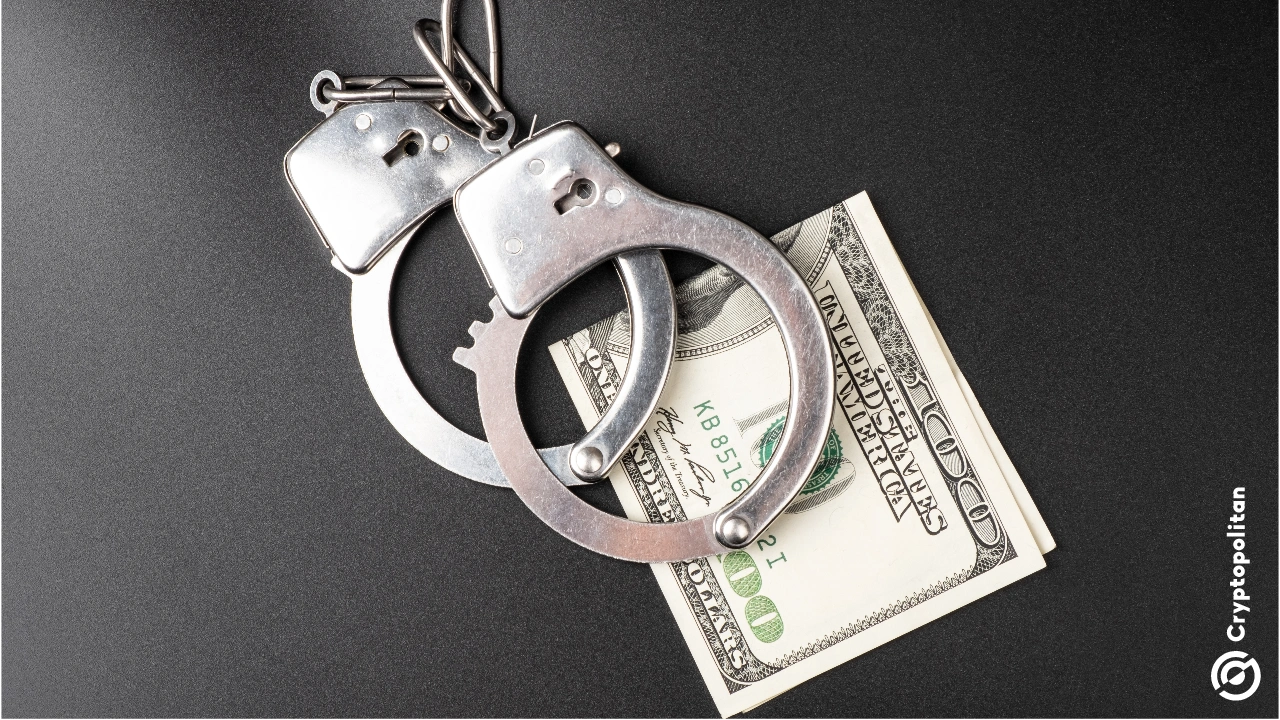
A 22-year-old man in California, Evan Tangeman, has pleaded guilty to laundering cryptocurrency tied to a national social engineering group responsible for stealing approximately 4,100 BTC. Tangeman admitted his participation in a Racketeer Influenced and Corrupt Organization (RICO) conspiracy as part of a plea deal before U.S. District Court Judge Colleen Kollar-Kotelly.
Prosecutors stated that the stolen cryptocurrency, valued at roughly $263 million at the time of the theft, has since appreciated to approximately $368.5 million. Tangeman is accused of laundering about $3.5 million on behalf of the organization and used false identities to acquire rental properties for its members.
Tangeman Becomes Ninth Defendant to Enter a Guilty Plea
Evan Tangeman is the ninth individual to plead guilty in the ongoing investigation into the crypto laundering scheme. This investigation has uncovered a network of hackers, target identifiers, and residential burglars operating since October 2023. Court filings indicate that the scheme began with a small group of acquaintances on an online gaming platform and evolved into a coordinated criminal network with operations spanning California, New York, Florida, Connecticut, and internationally.
According to court documents, the hackers exploited a stolen database to identify victims possessing substantial cryptocurrency holdings. The organization then employed callers to directly contact these victims, luring them into divulging sensitive account information. These callers reportedly informed victims that their accounts had been compromised and that immediate action was necessary to secure their assets. The scheme primarily relied on social engineering tactics rather than advanced technical exploits.
The hackers were also allegedly involved with individuals who orchestrated physical break-ins to steal hardware wallets. These residential burglars targeted victims who stored their digital wallets or seed phrases within their homes.
The proceeds from the group's illicit activities have been traced to various expenditures, including nightclub services, luxury handbags, watches, rental properties, private jet rentals, and private security guards. These purchases were distributed across multiple states and internationally to obscure the perpetrators' identities.
Tangeman utilized a bulk cash converter to exchange cryptocurrency for fiat currency, which he then used to secure rental homes for the group. He used false names on lease agreements, effectively preventing property owners and authorities from identifying the actual occupants.
Court Unseals Second Superseding Indictment
Following Tangeman's plea deal, three additional defendants—Nicholas Dellecave, Mustafa Ibrahim, and Danish Zulfiqar—have been arrested and charged. The court unsealed a second superseding indictment detailing their alleged participation in the social engineering enterprise. The U.S. Department of Justice announced that this case is part of a broader initiative to combat crypto-related fraud operations that leverage social engineering over technical hacking methods.
Prosecutors have indicated that newly unsealed charges against the hacker group were not previously included in trial dates for the identified defendants. Court filings reveal that cryptocurrency transactions, rental agreements, communication logs, and bulk cash conversion activities were instrumental in tracing the defendants' identities.
Tangeman currently remains free pending his sentencing, scheduled for April 24, 2026. The range of penalties he may face under federal sentencing guidelines for RICO conspiracy and money laundering is yet to be determined. The Justice Department has also stated that additional defendants may be charged as the investigation progresses. The court has not yet disclosed whether any of the stolen BTC has been recovered or if restitution will be sought as part of the sentencing.